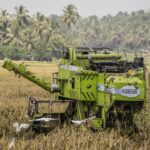
In the heart of bustling agricultural landscapes, where golden fields stretch like a canvas beneath the vast sky, lies a transformation as profound as it is indeed meticulous: the art of rice processing. Rice, often dubbed the “grain of life,” sustains billions across the globe, serving as a staple that embodies culture, tradition, and sustenance. Yet, behind the simplicity of a bowl of rice is a complex journey that begins in the fields and culminates in modern processing plants. These facilities, often seen as mere factories, are veritable sanctuaries of innovation and craftsmanship, where raw grains undergo a remarkable metamorphosis. This article delves into the intricate processes that breathe life into harvested rice, exploring the delicate balance between tradition and technology, the striking machinery that hums with purpose, and the skilled hands that ensure each grain is perfectly polished and processed. Join us on this exploration of rice processing plants—where the humble grain is transformed into a culinary cornerstone cherished around the world.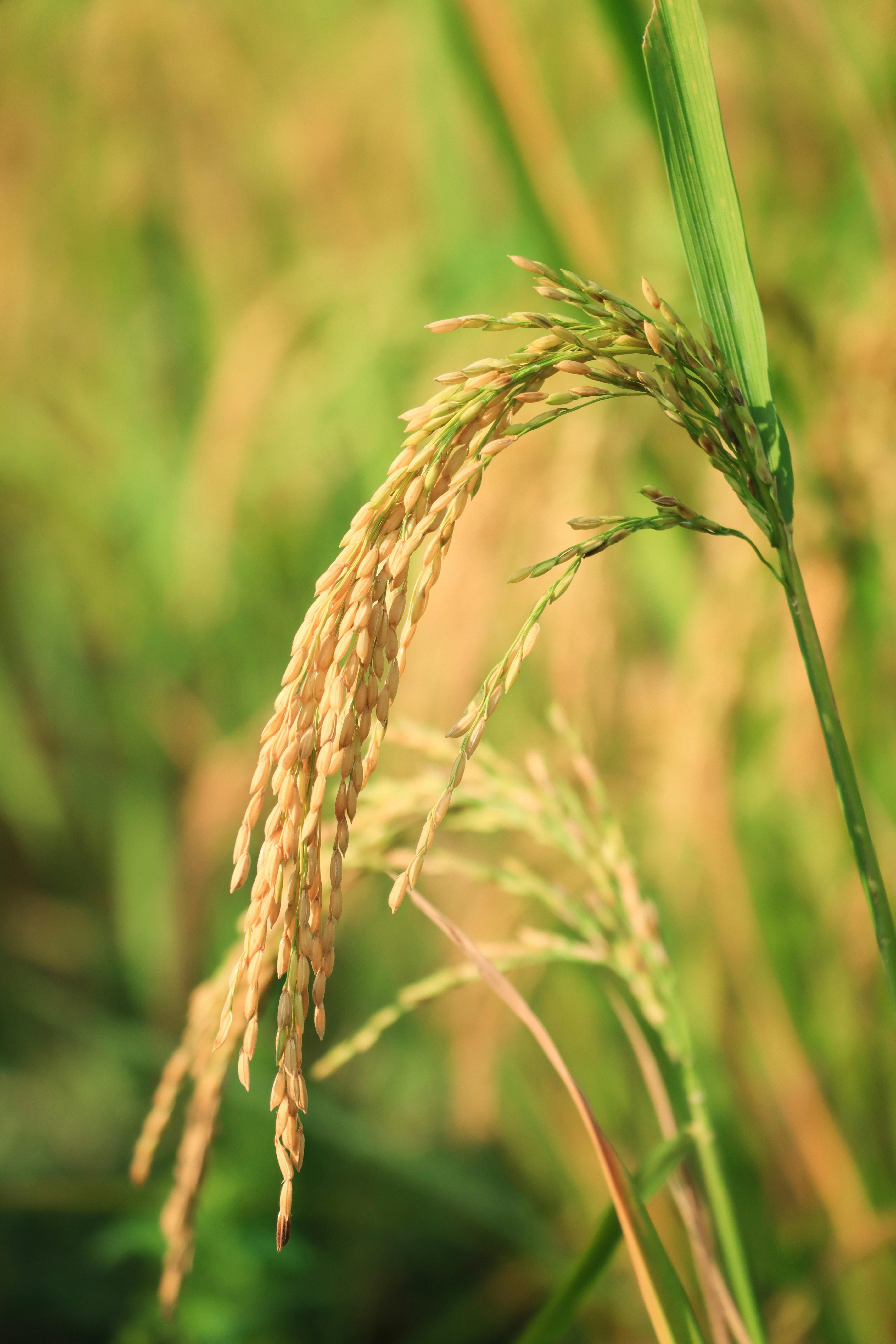
Exploring the Journey from Paddy to Perfect Rice
The remarkable transformation of paddy into rice is a process steeped in tradition and science. Initially, harvested paddy undergoes a meticulous cleaning phase where impurities such as stones, dust, and husks are removed. This crucial step is followed by the hull removal, where the outer shell, known as the husk, is separated from the grain. Through innovative milling techniques,the rice is then transformed into the polished form most consumers recognize—gleaming white or brown grains standing ready for culinary adventures. Some plants incorporate state-of-the-art technology to ensure minimal broken grains and maximum nutrient retention,highlighting the significance of quality in the milling process.
Once polished, the rice undergoes further sorting to achieve uniformity. Advanced machinery sorts the rice by size and color, discarding any grains that do not meet strict standards of quality.As part of the post-processing stage, rice can also be fortified with essential nutrients to enhance its health benefits. This meticulous journey is a dance of precision and care, requiring skilled labor to monitor every step. Each element of the process contributes to the final product’s texture, flavor, and nutritional value, culminating in the delightful experience of savoring perfectly cooked rice.
- Cleaning: Removal of impurities.
- Hulling: Separation of husk from grain.
- Milling: Polishing and refining the rice.
- Sorting: Ensuring size and color uniformity.
- Fortification: Enhancing nutritional value.
| Process Step | Description |
|---|---|
| Cleaning | Initial removal of contaminants. |
| Hulling | Separation of the husk from the grain. |
| Milling | Polishing to enhance appearance and texture. |
| Sorting | Classifying grains by quality. |
| Fortification | Adding nutrients for health benefits. |

Innovative Techniques in Rice Milling and Processing
In the dynamic world of rice processing, innovation is the keystone that enhances efficiency and quality. The introduction of automated milling machinery has revolutionized conventional practices, allowing for a more consistent output while reducing labor costs. These advanced systems utilize sensor technology to monitor grain quality, ensuring that only the best husks are processed. Additionally, the integration of AI-driven data analytics enables mill operators to optimize production schedules and track equipment performance in real-time, minimizing downtime and maximizing yield. The combination of these innovations not only improves the overall workflow but also helps in maintaining the nutritional integrity of the rice.
Furthermore, sustainable practices are gaining traction within the industry, as processors strive to reduce their environmental impact. Techniques such as water conservation methods,including recirculation systems in washing processes,significantly decrease water usage. Moreover, the adoption of biomass energy systems has allowed mills to harness energy from by-products, further lowering carbon footprints. Innovations in packaging, such as eco-kind materials, are also on the rise, reflecting a growing commitment to sustainability.As technology continues to evolve, rice milling stands at the forefront of merging efficiency with environmental consciousness, paving the way for a greener future in grain processing.
Quality Control: Ensuring Excellence in every Grain
In the intricate world of rice processing, quality control is the linchpin that ensures every grain meets rigorous standards of excellence. Each step of the processing journey, from harvesting to packaging, demands meticulous attention to detail, where the quality assurance team employs a blend of traditional methods and modern technology.This includes meticulous visual inspections to detect abnormalities, complex machinery that conducts moisture analysis, and automated systems for contaminant detection—all aiming to maintain the high standards expected by consumers and partners alike. such processes ensure that every bag of rice that leaves the facility provides not just nourishment, but also a promise of superior quality.
Moreover, continuous training and development of staff play an indispensable role in bolstering quality. Workers are educated on the significance of hygiene practices and operational protocols, creating a culture centered around excellence.Regular evaluations and audits supplement these efforts, ensuring compliance with both local and international standards. To portray this structured approach visually, consider the following table that highlights the various stages and actions taken in quality control:
| Quality Control Stage | Actions Taken |
|---|---|
| Harvesting | Manual and mechanical checks for grain integrity |
| Milling | Moisture level testing and removal of husks |
| Packaging | Final inspections for contaminants and proper seals |
This robust framework of evaluation and staff involvement cultivates a deep-rooted commitment to quality. By prioritizing consistency and reliability in every grain, rice processing plants not only enhance product appeal but also foster trust among consumers, creating a cycle of excellence that benefits everyone involved in the grain’s journey.
Sustainable Practices in Rice Processing Facilities
In the heart of rice processing facilities, sustainable practices serve as the cornerstone for transforming a humble grain into a culinary staple.By prioritizing eco-friendly methodologies, these plants minimize waste and optimize resource efficiency. Critical elements of sustainable rice processing include:
- Water Management: Utilizing closed-loop systems to recycle water, reducing consumption and ensuring minimal environmental impact.
- Energy Efficiency: Implementing renewable energy sources, such as solar panels and biomass energy, to power machinery and reduce carbon footprints.
- Waste Reduction: Creating value from byproducts like husks and bran, turning them into biofuels or animal feed.
- Community engagement: Fostering partnerships with local farmers for sustainable sourcing practices that strengthen local economies.
Moreover,the introduction of advanced technologies plays a pivotal role in enhancing sustainability within these facilities. Automation, combined with data analytics, allows for precise monitoring of processes and resource usage, leading to informed decision-making. A glimpse at some impactful technologies employed in modern rice processing includes:
| Technology | Benefits |
|---|---|
| Energy-efficient dryers | Reduce energy consumption and improve drying quality. |
| Automated grading systems | Enhance quality control and minimize waste. |
| Biomass boilers | Utilize agricultural waste as fuel, lowering reliance on fossil fuels. |
In conclusion
As we conclude our exploration of the intricate world of rice processing plants, it becomes clear that this art form extends far beyond mere machinery and operations. The transformative journey from paddy fields to polished grains encapsulates the intersection of tradition and innovation, where age-old practices meet modern technology to preserve quality and enhance sustainability.
Each step in the processing chain, from harvesting to milling and packaging, reveals the careful craftsmanship that goes into creating a staple food enjoyed around the globe. This journey not only nourishes communities but also tells a story of resilience, ingenuity, and respect for the land.
As we move forward,understanding the significance of rice processing will help us appreciate the vital role these facilities play in our food systems. Let us celebrate the unsung heroes of the agri-food sector—those who toil behind the scenes to ensure that each bowl of rice reaches our tables, embodying both culture and care. In this way, the humble grain becomes a symbol of connection, reminding us that every meal has a story worth knowing.