
In the heart of agriculture, where golden fields sway under the gentle caress of the breeze, lies a world frequently enough overlooked: the journey of grain from farm to table. Among the myriad grains that sustain civilizations,rice holds a special place—staple food for billions and a symbol of sustenance and tradition. Yet, hidden behind the simplicity of a steaming bowl of rice is a complex tapestry of processes and technologies that transform raw grain into the polished product we certainly know.This article delves into the intricacies of a rice processing plant, illuminating the meticulous steps involved in this transformation. From the moment the rice is harvested, through cleaning, milling, and packaging, the interplay of science, engineering, and craftsmanship shapes the final product. Join us as we explore the interesting mechanisms within these processing plants, revealing the delicate balance of innovation and tradition that sustains this vital grain.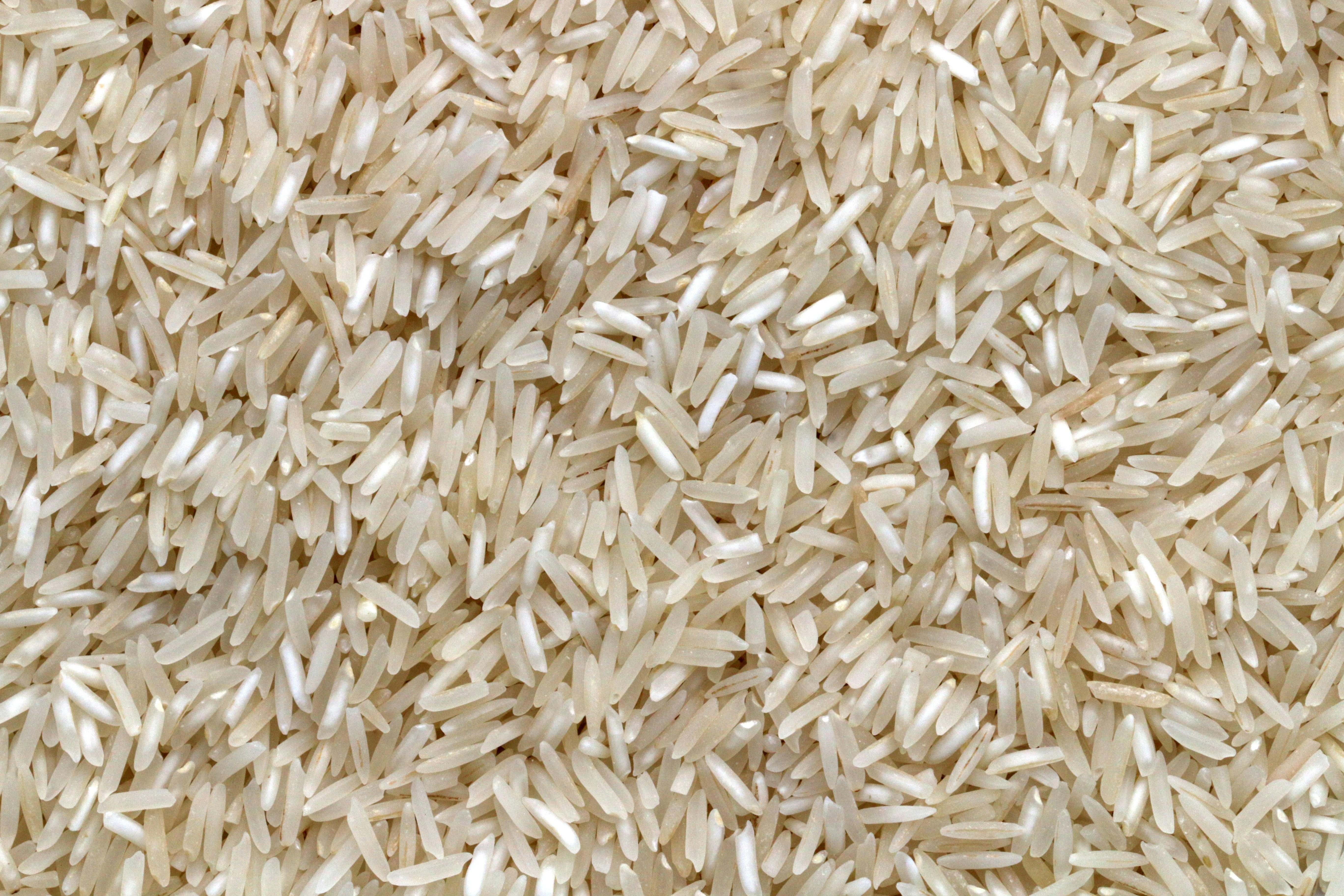
Understanding the Lifecycle of Rice from field to Factory
The journey of rice begins in the lush green fields, where dedicated farmers nurture the crop through its various growth stages. This vital period involves not only planting the seeds but also managing water levels, pests, and nutrient availability. As the grains develop, they transform from vibrant green seedlings to golden ears, signaling that it’s time for harvest. The traditional methods of harvesting, which include cutting and gathering the stalks, are often supplemented by mechanized tools to enhance efficiency. Once harvested, the rice undergoes initial processing, which involves drying to reduce moisture and ensure better storage longevity. This initial step is crucial as it prevents spoilage and sets the foundation for the subsequent processing stages.
following the drying phase, the rice enters the processing plant, where the intricacies of transformation unfold. Here,several steps are taken to turn the rough,hulled grains into the polished product that reaches consumers. The processing steps typically include:
- Hulling: removing the outer husk to expose the brown rice.
- milling: Polishing the rice to remove bran and germ layers,producing white rice.
- Grading: Sorting the rice by size and quality for market distribution.
- Packaging: Finalizing the product into consumer-ready bags.
The progress from field to factory not only reflects the hard work of farmers but also the meticulous processes in the rice industry aimed at maintaining quality and sustainability. Modern rice processing plants leverage advanced machinery and innovative techniques to achieve high efficiency while minimizing waste. each step in this lifecycle is intertwined,ensuring that the end product not only retains its nutritional value but also arrives at the table with the highest standards of quality.

Exploring the Technology Behind efficient Rice Milling
The journey of rice from field to table is a marvel of engineering and technology, particularly evident in the rice milling process. in modern rice processing plants, high-efficiency machinery plays a pivotal role in ensuring that every grain is milled to perfection. Technologies such as multi-stage husking machines, parboiling units, and color sorters work in harmony to maximize yield and minimize waste. These machines are designed to delicately remove the outer husks while preserving the integrity and nutritional value of the rice grains. The integration of automation further enhances productivity, allowing for consistent quality control and reduced labor costs.
Moreover, various milling techniques have evolved, emphasizing the importance of precision and speed. Considerations such as moisture control, temperature regulation, and energy efficiency are crucial in the preservation of grain quality. Here’s a simple comparison of traditional versus modern rice milling technologies:
| Aspect | Traditional Milling | Modern Milling |
|---|---|---|
| Yield | Lower | Higher |
| Labor Intensity | High | Low |
| Energy Consumption | Higher | Optimized |
| Quality Control | Manual | Automated |
This technological revolution not only transforms the rice milling process but also contributes to sustainability in agriculture, resulting in less waste and greater efficiency. The continued investment in innovative solutions is paving the way for the future of rice processing, ensuring that this staple crop remains accessible and affordable for consumers worldwide.
Quality Control Measures Essential for Superior Grain Processing
In the world of grain processing, particularly in a rice processing plant, implementing stringent quality control measures is crucial to ensure the final product meets the highest standards. These measures begin right at the sourcing stage, where quality checks are essential to ascertain that the raw grains are free from contaminants and of optimal moisture content. Regular sampling and testing throughout the processing stages help in identifying potential issues early, thereby preventing compromised batches. Key activities include:
- Visual Inspections: To detect physical defects or foreign materials
- Laboratory Analyses: For moisture levels, chalkiness, and other chemical parameters
- Hygiene Audits: Ensuring cleanliness of processing equipment to avoid contamination
Moreover, effective training programs for staff members play a pivotal role in maintaining quality standards. Employees must be well-versed in both the operational processes and the stringent protocols required for quality assurance. This commitment ensures that everyone on the production line understands the implications of quality indicators. Implementing a robust feedback loop can also facilitate continuous improvement,as data on quality assessments are collected,analyzed,and discussed.By focusing on outcomes through practices such as:
- Regular Equipment Maintenance: To ensure machinery is functioning optimally
- Standard Operating Procedures (SOP): for consistent processing practices across shifts
- Traceability Systems: Allowing tracking of the product from farm to packaging
| Quality Control Measure | Importance |
|---|---|
| Moisture Content Testing | Prevents spoilage and maintains quality |
| visual Checks | Identifies impurities and defects early |
| Employee Training | Enhances adherence to quality protocols |
Sustainable Practices in Rice Production and Processing
In the quest for sustainable agriculture,rice production and processing have taken meaningful strides towards eco-friendliness.By adopting innovative techniques and practices, rice producers are minimizing their environmental footprint while enhancing productivity. key methods include:
- Water Management: utilizing efficient irrigation systems, such as drip and sprinkler irrigation, can drastically reduce water consumption and prevent salinity build-up.
- Crop rotation: Implementing diverse planting schedules helps maintain soil fertility and reduce pest outbreaks, leading to healthier crops.
- Organic Farming: The use of organic fertilizers and pest control methods fosters a more balanced ecosystem, contributing to reduced chemical runoff into waterways.
On the processing side, modern rice mills are evolving to adopt eco-conscious technologies that not only enhance efficiency but also minimize waste. For example, energy-efficient machinery and systems for harnessing by-products play a crucial role in sustainability. Consider the following innovations:
| Technology | Benefit |
|---|---|
| Solar-Powered Mills | Reduces dependency on fossil fuels and cuts operational costs. |
| By-Product Utilization | Creating bioenergy from husks and bran to power processing units. |
| water recycling systems | Minimizes wastewater and reuses it for various stages of production. |
Closing Remarks
As the sun dips below the horizon, casting a golden glow over the sprawling fields of rice, we are reminded of the intricate journey that this humble grain undertakes before it graces our tables. The world of rice processing is one of precision and passion, where each step—from harvesting to milling—plays a crucial role in transforming raw crops into the staple that nourishes millions.
In exploring the inner workings of a rice processing plant, we’ve unveiled a fascinating tapestry of engineering, science, and dedication. Behind the scenes, machines whir and hum, each carefully calibrated to ensure the highest quality and efficiency.Workers,too,play an irreplaceable part,wielding both skill and knowledge to maintain the rythm of production.Understanding this delicate process not only deepens our appreciation for rice but also highlights the importance of sustainability and innovation in agricultural practices.As we look ahead,the future of rice processing holds promise,ripe with opportunities for improvement and growth,echoing the resilience and adaptability of the industry itself.the next time we savor a bowl of rice, let us give thought to the journey it has made—from the fields to the plant, and ultimately to our plates—a journey steeped in tradition, technology, and the relentless pursuit of excellence. Thus, we celebrate not just the grain itself but the intricate web of efforts that transform it, reminding us that every bite carries with it a story worth telling.



