Exploring the Essential Role of Rice Milling Units
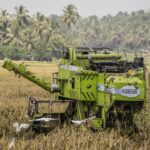
In the heart of agricultural economies around the world, rice stands as a fundamental staple—nourishing populations adn underpinning livelihoods. Yet, the journey from paddy field to dining table is intricate and ofen overlooked. Enter rice milling units: the unsung heroes in this culinary narrative. These facilities are not merely a cog in the agricultural machinery; they are vital processors that unlock the potential of raw grain, transforming it into the polished product that graces our plates.This article delves into the essential role of rice milling units, illuminating their significance within the agricultural supply chain, their impact on quality and sustainability, and the innovations shaping the future of rice processing. As we peel back the layers of this captivating industry, we uncover not just technology and techniques, but also the livelihoods they support and the cultures they enrich. Join us on this exploration, and discover the pivotal place that rice milling holds in feeding the world.
The Nutritional Impact of Rice Milling on Food Security
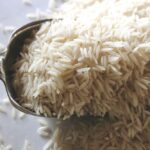
Rice milling is a crucial step in the journey from paddy to plate,and it carries significant implications for nutrition and food security. During the milling process, the outer husk of the rice is removed to leave the polished grain, which is often hailed for its aesthetic appeal and long shelf life. However, this process also leads to the loss of vital nutrients that are predominantly housed in the bran layer and germ.As whole grains are stripped down to white rice, nutritional benefits such as dietary fiber, vitamins, and essential minerals are diminished. This raises concerns about the implications for populations that rely heavily on white rice as a staple food, especially in regions where food security is already tenuous.
understanding the broader nutritional landscape requires a close examination of how different milling practices can impact health outcomes. The following points illustrate the nutritional losses and the potential mitigative strategies:
- Loss of nutrients: Up to 70% of essential nutrients can be lost during the milling process.
- Fortification Opportunities: Incorporating fortified rice can help combat nutrient deficiencies in vulnerable populations.
- Consumer Education: Promoting whole grain rice consumption can provide a richer nutritional profile.
To visualize the impact of processing, consider the comparative nutrient contents of unmilled, milled, and fortified rice:
| Nutritional Component | Unmilled Rice (per 100g) | Milled Rice (per 100g) | Fortified Rice (per 100g) |
|---|---|---|---|
| Energy (kcal) | 365 | 130 | 150 |
| Protein (g) | 7.5 | 2.7 | 3.5 |
| Fiber (g) | 3.5 | 0.5 | 1.0 |
| Iron (mg) | 2.9 | 0.2 | 4.0 |
Understanding the Technological Advancements in Rice Milling Units
The rice milling industry has undergone significant transformations over the years, propelled by technological advancements that enhance efficiency, quality, and sustainability. Modern rice milling units now incorporate advanced machinery, allowing for quicker processing times and better yield rates. Innovations such as automated sorting and precision milling enable processors to maximize the quality of the end product, ensuring that consumers receive rice free from impurities and with minimal breakage. additionally,the integration of smart technology,including sensors and data analytics,allows mill operators to monitor the milling process in real-time,resulting in optimized production and reduced waste.
Moreover, eco-kind technologies have also begun to take center stage in rice milling operations.many modern units are adopting biomass energy systems, which utilize husk and other by-products to power the milling process, reducing reliance on fossil fuels. This not onyl lowers operation costs but also minimizes the carbon footprint associated with rice production. Efforts to improve water management systems have led to the growth of recycled water systems, helping mills reduce their overall water consumption and promoting environmental sustainability in agricultural practices.
Sustainable Practices in Rice Processing for Environmental Health
In the quest for environmental sustainability, rice milling units can adopt several innovative practices that not only enhance the efficiency of the milling process but also significantly minimize their ecological footprint. One such practice is the implementation of energy-efficient machinery that reduces energy consumption without compromising on the quality of the rice produced.By investing in advanced technology, rice millers can achieve a remarkable decrease in greenhouse gas emissions, contributing to a healthier environment.
Furthermore, water management is crucial in rice processing, where recycling and reusing water can play a pivotal role in conservation efforts. Establishments can utilize closed-loop systems to treat and repurpose waste water from milling processes. Other sustainable practices include:
- Utilizing by-products: Transforming rice husks and bran into biofuel or animal feed.
- Organic waste management: Composting organic waste to enrich soil health.
- Solar energy adoption: Harnessing solar panels to power milling units.
Incorporating these practices not only complies with global standards for sustainable agriculture but also ensures that rice milling units become leaders in promoting an eco-friendly approach to food processing. Continuous research and development in sustainable technologies will further strengthen the industry’s commitment to preserving environmental health while addressing the growing demand for rice worldwide.
Economic Benefits and Challenges of Investing in Rice Milling Infrastructure
investing in rice milling infrastructure presents significant economic advantages, particularly in regions where rice is a staple crop. Enhanced processing capacity allows farmers to transform raw paddy into market-ready rice, reducing post-harvest losses. This change not only stabilizes prices but also increases farmers’ income.Furthermore, a well-established milling unit can lead to the creation of local jobs, boosting employment rates in rural communities. The presence of modern milling technology can improve efficiency and reduce operational costs, driving profits for both the mill operators and farmers. Additionally, establishing a cooperative model can facilitate shared investment, fostering a sense of community ownership and sustainability.
However, the journey to establishing a successful rice milling infrastructure is not without its challenges. High initial investment costs may deter small farmers from participating in this endeavor, leading to a reliance on fewer, larger operations that could monopolize the market. Moreover, maintenance and technical training are essential to ensure the longevity and efficiency of milling equipment, necessitating a consistent flow of funding and expertise. Fluctuating market demands can pose risks; if supply outstrips demand, it may lead to waste and underutilization of resources. Additionally, stringent regulations and quality standards must be met, requiring ongoing education and compliance efforts among stakeholders.
Key Takeaways
the journey through the world of rice milling units reveals a vital intersection of agriculture, technology, and sustainability. These units stand as unsung heroes in the food supply chain,transforming raw paddy into the polished grains that nourish millions. Their role extends beyond mere processing; they contribute to economic stability, empower local farmers, and support community development. As we continue to explore innovative practices and technologies within the milling industry,it becomes clear that rice milling units are not just essential—they are pivotal in shaping the future of food security. By investing in these infrastructures and embracing modernization, we can ensure that the humble grain maintains its status as a cornerstone of diets across the globe, fostering health, prosperity, and resilience for generations to come.