
Beyond the Grain: The Journey of Rice Mills in Tradition
In the tapestry of human civilization, few staples have woven their threads as intricately as rice. From the terraced fields of Asia to the bustling markets of every corner of the globe, rice has served not merely as nourishment but as a cornerstone of culture, economy, and tradition. At the heart of this grain’s journey lies the often-overlooked rice mill—a hub of transformation where golden grains are polished into the staple sustenance that feeds billions. This article embarks on a journey through time and space, exploring the evolution of rice mills and their role in bridging the gap between age-old agricultural practices and modern culinary demands. As we delve into the intricate processes, technological advancements, and the enduring traditions that surround these mills, we uncover a narrative that stretches beyond the grain itself, revealing the rich heritage and innovation that continue to shape the future of rice milling. Join us as we navigate the pathways of this essential industry, illuminating the unseen hands that have, for centuries, turned harvests into hallowed meals.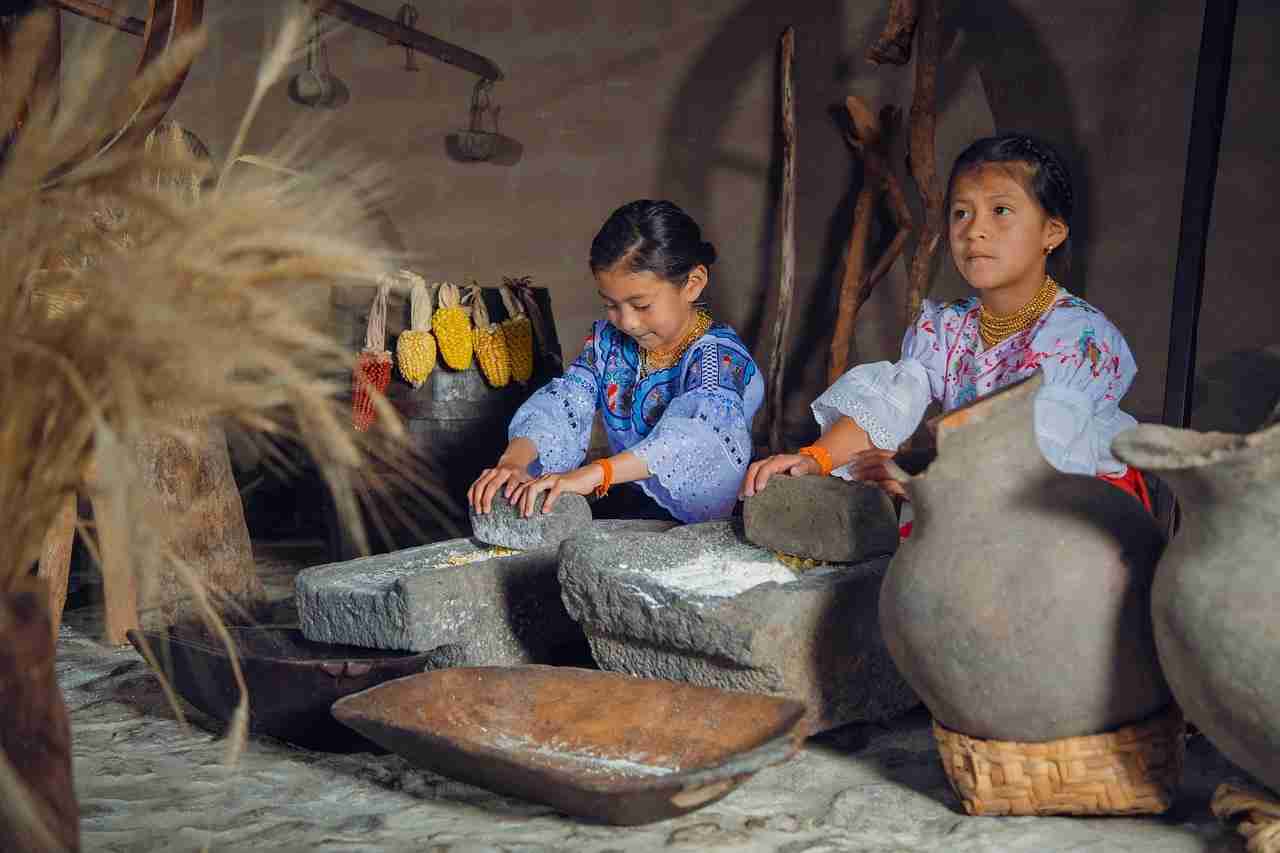
Exploring the Cultural Legacy of Rice Milling Practices
Rice milling practices are not merely economic activities; they are profound cultural expressions that weave together the tapestry of traditions, histories, and community identities. Across various regions, from the lush paddy fields of Southeast Asia to the rural landscapes of Africa, the act of milling rice serves as a conduit for storytelling and generational wisdom. Within communities, rice mills often emerge as social hubs where families gather to share knowledge, celebrate harvests, and pass down rituals that honor the grain. These practices highlight the importance of sustainability and connection to the land, reflecting agricultural methods that have been refined over centuries.
The art of rice milling also manifests in unique techniques and tools that vary from one culture to another, showcasing the diversity and creativity of human ingenuity. For instance, traditional milling methods often involve hand-operated tools that prioritize the quality and flavor of the rice, while modern approaches have introduced mechanization, altering the landscape of this age-old practice. Additionally, many cultural festivals celebrate the pivotal role of rice in local diets, which can be observed in activities such as:
- Harvest Festivals: Marking the end of the rice-growing season with communal feasting.
- Ceremonial Milling: Performing rituals that honor the spirits of the land and ancestors before milling begins.
- Cooking Competitions: Showcasing rice-based recipes that highlight its versatility and significance.
To illustrate the influence of cultural context on rice milling practices, consider the following table that captures varying methods and their cultural significance:
| Region | Milling Technique | Cultural Significance |
|---|---|---|
| Southeast Asia | Stone grinding | Tradition of community collaboration and craftsmanship. |
| West Africa | Mortar and pestle | Spiritual rituals associated with harvest blessings. |
| Japan | Modern mechanized | Emphasis on precision and quality, preserving heritage. |

Innovations Shaping the Future of Rice Production
In the ever-evolving landscape of agriculture, rice production is experiencing a resurgence of innovative practices that promise to enhance both yield and sustainability. Technologies such as precision farming and biotechnology are revolutionizing how farmers approach cultivation. These methods allow for more efficient use of resources, reducing waste and maximizing output. Some key innovations include:
- Smart Irrigation Systems: Utilizing IoT-enabled sensors to monitor soil moisture and optimize water usage.
- Genetically Modified Varieties: Developing rice strains that are resistant to pests, diseases, and climate extremes.
- Robotic Harvesters: Implementing automation to increase efficiency and reduce labor costs during the harvest season.
Moreover, sustainable practices are taking center stage as rice cultivation aims to minimize its environmental footprint. With initiatives like integrated pest management and crop rotation, farmers are less reliant on chemical inputs, leading to healthier ecosystems. In addition, advances in sustainable rice farming promote practices that improve soil health and biodiversity. Below is a snapshot of how these methods can lead to a more sustainable approach:
| Practice | Benefits |
|---|---|
| Crop Rotation | Reduces pest buildup and improves soil fertility. |
| Organic Fertilizers | Enhances soil health without the side effects of chemicals. |
| Agroforestry | Provides shade and habitat, improving biodiversity. |
Sustainability in Rice Mills: Balancing Tradition and Modernity
As rice mills evolve, they find themselves straddling a delicate line between age-old traditions and the necessity for modern efficiency. Embracing sustainable practices is no longer merely an option; it’s a responsibility. The integration of renewable energy sources, like solar panels and biofuels, empowers mills to minimize their carbon footprint while also ensuring energy security. This shift not only enhances operational efficiency but also cultivates a sense of environmental stewardship that resonates throughout the farming community. Moreover, waste reduction strategies, such as using rice husk as a byproduct fuel or as a substrate for biodegradable materials, exemplify how traditional rice milling can metamorphose into an eco-conscious enterprise.
In addition to technological advancements, sustainable rice mills often seek to preserve their cultural heritage by incorporating community-focused initiatives. For example, collaborating with local farmers fosters a sustainable supply chain and ensures that traditional farming methods are respected and acknowledged. The mills can provide training programs emphasizing organic practices, helping farmers transition sustainably while also supporting biodiversity. Furthermore, by implementing water conservation techniques, such as rainwater harvesting systems and efficient irrigation practices, rice mills not only contribute to the preservation of vital water resources but also enhance the resilience of local ecosystems. To encapsulate these initiatives, the following table highlights the key strategies contributing to sustainability:
| Strategy | Benefit |
|---|---|
| Renewable Energy Use | Reduces carbon footprint and enhances energy security. |
| Waste Management | Utilizes byproducts, minimizing waste and promoting circular economy practices. |
| Community Engagement | Strengthens local ties and supports traditional farming methods. |
| Water Conservation | Preserves water resources and improves local ecosystem resilience. |
Empowering Local Communities Through Rice Milling Initiatives
In the heart of rural landscapes, rice milling initiatives stand as a testament to resilience and community spirit. These local enterprises not only transform grains into a staple food but also serve as catalysts for economic development. By empowering local farmers to process their own harvests, they retain more profits and enhance food security within the community. Moreover, these mills facilitate valuable farming practices by providing farmers access to critical resources, including training and modern milling techniques, thereby cultivating an environment of learning and growth.
The impact of these initiatives extends beyond the milling process. Establishing rice mills leads to job creation and boosts local economies in numerous ways. Consider the following benefits:
- Employment Opportunities: New jobs are created in milling operations, logistics, and sales.
- Increased Income: Farmers earn higher market prices for processed rice compared to selling paddy.
- Community Development: Profits can be reinvested in local infrastructure, schools, and healthcare.
Consequently, rice milling projects create a ripple effect, fostering community cohesion and inspiring local entrepreneurship. The blend of tradition and innovation within these endeavors not only preserves cultural heritage but also ignites a vision for a self-sufficient future, where local communities flourish through their resources and craftsmanship.
Insights and Conclusions
As we draw the curtain on our exploration of rice mills and the rich tapestry of tradition they weave, it becomes clear that these humble structures are more than mere machines for processing grains. They are the heartbeat of communities, custodians of culture, and silent witnesses to the passage of time. From the ancient practices that honor the land to the modern innovations that embrace sustainability, the journey of rice mills reflects not only our agricultural heritage but also the resilience and adaptability of our societies.
In a world that often rushes towards the future, rice mills remind us of the value found in patience and careful tending. They symbolize a blend of past and present, where tradition meets technology in a dance as old as time. As we navigate an era marked by change, let us not forget the lessons embedded within the rhythm of the millstone and the aroma of freshly processed rice. In the grains, we find stories of heritage, identity, and sustainability—reminders that the journey of rice mills is not just about the grain, but about nurturing connections between generations and celebrating the enduring spirit of community.
So, as we savor the simple pleasures of a bowl of rice, let us acknowledge the journey that brought it to our tables and honor the traditions that continue to shape our world. Beyond the grain, the legacy of rice mills lives on, inviting us to reflect and appreciate the ties that bind us to our past and illuminate our future.



