
In a world where food security and efficiency are paramount, the quest for innovative solutions in agriculture continues to gain momentum. Among the most vital staples, rice stands out not only as a dietary cornerstone for millions but also as a crop intertwined with the cultural fabric of numerous communities. As the demand for high-quality rice escalates, the need for modern processing techniques has never been more pressing. Enter the Mini Polisher Machine – a groundbreaking invention poised to transform the landscape of rice processing. This compact yet powerful machine is designed to enhance the quality and appeal of rice, catering to both small-scale farmers and larger agricultural operations. In this article, we will explore the mechanics behind the Mini Polisher Machine, its impact on rice quality, and the potential ripple effects on economies and societies that rely heavily on this essential grain. Join us on this journey as we uncover how this innovative technology is set to revolutionize rice processing, one grain at a time.
Transforming Traditional Techniques with Innovative Technology
The integration of modern machinery into agricultural practices is transforming age-old methods of rice processing. At the forefront of this evolution is the Mini Polisher Machine, which harmonizes traditional milling techniques with cutting-edge technology. This innovative device boasts features designed to enhance both efficiency and quality in rice processing. By utilizing advanced polishing mechanisms, it ensures that each grain is polished uniformly, while minimizing damage and waste, resulting in a higher yield of premium rice.
Key benefits of the Mini Polisher Machine include:
- Precision Engineering: Designed to deliver consistent results, ensuring uniformity in the appearance and taste of polished rice.
- Energy Efficiency: Uses significantly less power compared to larger milling machines, contributing to lower operational costs.
- User-Friendly Interface: Simple controls make it accessible for farmers of all experience levels, encouraging the adoption of technology.
- Compact Design: Its small footprint allows for easy integration into existing workflows without the need for extensive space or infrastructure changes.
Below is a comparison of the Mini Polisher Machine with traditional polishing methods:
| Features | Mini Polisher Machine | Traditional Methods |
|---|---|---|
| Polishing Efficiency | High | Moderate |
| Power Consumption | Low | High |
| Space Requirement | Compact | Bigger |
| User Accessibility | Easy | Variable |
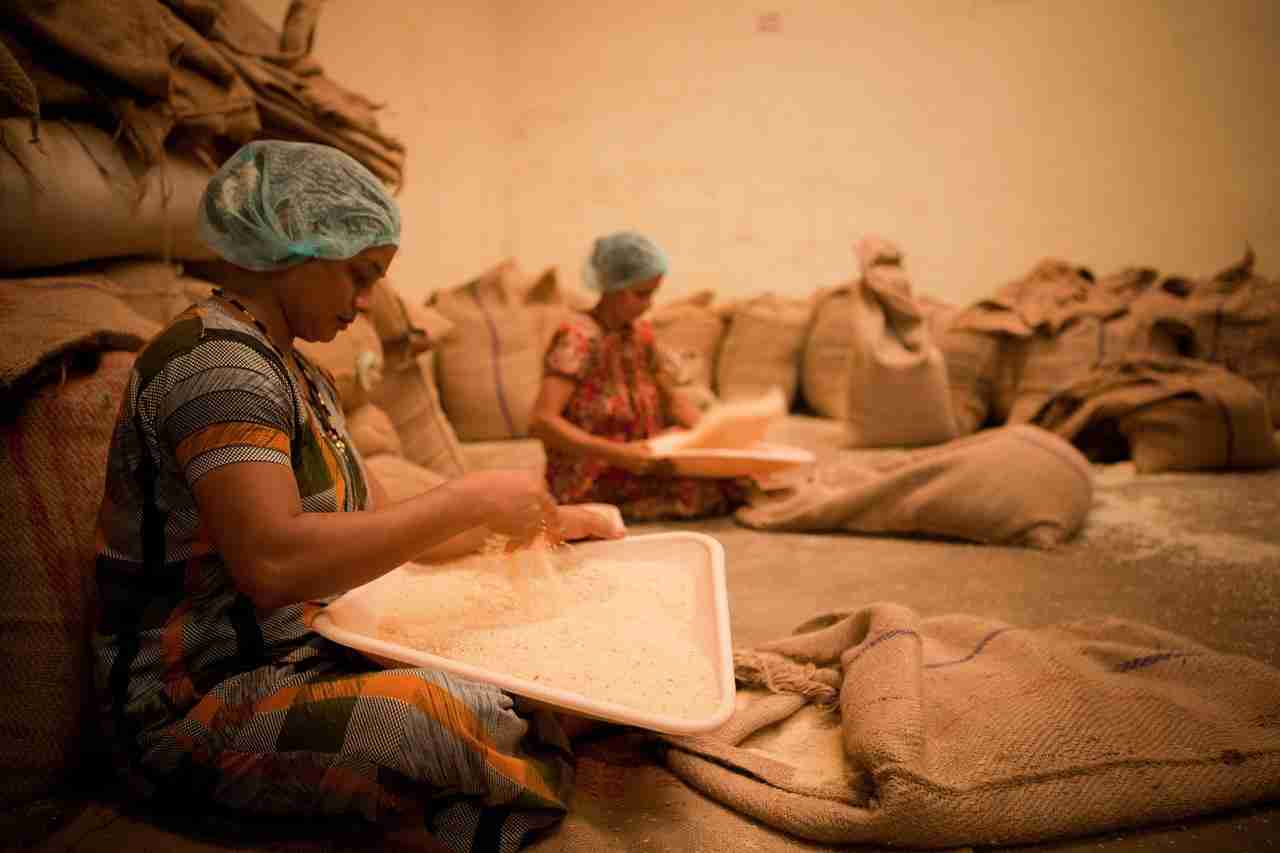
Enhancing Quality and Efficiency in Rice Production
The innovation of the Mini Polisher Machine is a game changer for rice producers seeking to improve both quality and efficiency in their processing methods. This compact yet powerful device is specifically designed to optimize the polishing stage of rice production, ensuring a higher degree of polish while minimizing waste. With its state-of-the-art technology, it allows farmers to achieve results that were once only possible with larger, more expensive machinery. Key benefits include:
- Enhanced Efficiency: The Mini Polisher Machine operates at a higher speed, drastically reducing processing times.
- Improved Quality: Delivers consistently polished rice, increasing market appeal and consumer satisfaction.
- Cost-Effectiveness: Lower operational costs and reduced energy consumption make it an affordable choice for small and medium-scale producers.
Furthermore, the versatility of this machine accommodates various rice types, ensuring that producers can cater to diverse market preferences. Its user-friendly interface allows for seamless operation, enabling even those with limited technical skills to navigate the system efficiently. By integrating this tool into their operations, farmers can expect not just a boost in production capabilities but also significant advancements in the overall quality of their rice. The following table highlights performance comparisons between traditional and mini polishing methods:
| Aspect | Traditional Method | Mini Polisher Machine |
|---|---|---|
| Processing Time | Up to 4 hours | 1 hour |
| Energy Consumption | High | Low |
| Quality of Rice | Varies | Consistent |
Sustainability and Cost-Effectiveness of Mini Polisher Machines
The advent of mini polisher machines marks a significant leap towards both sustainability and cost-effectiveness in rice processing. These machines utilize advanced technology to minimize energy consumption while maximizing output, thus reducing the carbon footprint associated with traditional processing methods. The compact design ensures less raw material waste, as they precisely polish rice grains without excessive material loss. Moreover, the integration of renewable energy sources, such as solar power, in some models adds an additional layer of eco-friendliness, ensuring that operations have a minimal environmental impact.
In terms of affordability, the mini polisher stands out as a viable investment for small to medium-sized rice mills. The initial cost is significantly lower than that of larger industrial machines, while maintenance is straightforward and economical. The operational cost is further reduced by the machine’s efficiency, allowing processors to achieve a higher yield of polished rice. Below is a simple comparison table illustrating the economic advantages:
| Feature | Traditional Machines | Mini Polishers |
|---|---|---|
| Initial Investment | High | Low |
| Maintenance Cost | High | Minimal |
| Energy Usage | High | Low |
| Output Efficiency | Variable | Consistent |
With these advantages, mini polishers not only improve productivity in rice processing but also promote a sustainable practice, ultimately benefiting both producers and consumers alike. By adopting such innovative machines, rice mills can align their operations with the growing demand for environmentally friendly practices while still being economically viable.
Future Prospects: Scaling Up Small-Scale Rice Processing Solutions
The future of small-scale rice processing is poised for significant advancements, with innovative solutions like the mini polisher machine leading the way. These machines not only enhance the efficiency of rice milling operations but also aim to improve the quality of the final product. As small-scale farmers and entrepreneurs increasingly embrace technology, the potential for scalability becomes apparent, creating opportunities to address local market demands and promote food sustainability. Key factors contributing to this scalability include:
- Affordability: The mini polisher machine is designed to be cost-effective, enabling smallholder farmers to invest without excessive financial strain.
- Portability: With its compact design, this machine can be easily transported, allowing processing to occur closer to the source of production.
- Training and Support: By providing comprehensive training programs for users, stakeholders can ensure that small-scale operators maximize the machine’s capabilities.
As these initiatives gain momentum, collaboration among government agencies, NGOs, and private sectors will be crucial in establishing a supportive ecosystem for growth. Investment in research and development will further drive innovation, focusing on energy efficiency and the integration of renewable resources. The table below outlines some potential partnerships that could elevate small-scale rice processing:
| Partnership Type | Goals | Potential Impact |
|---|---|---|
| Government | Policy Support & Funding | Increased accessibility to resources for farmers |
| NGOs | Community Engagement | Empowering local farmer cooperatives |
| Private Sector | Innovative Solutions | Enhancing equipment efficiency and durability |
Wrapping Up
the advent of the mini polisher machine marks a significant step forward in the rapidly evolving landscape of rice processing. By blending efficiency with innovation, this compact powerhouse is not only streamlining operations but also elevating the quality of rice product offerings. As farmers and processors embrace this technology, we may witness a transformative shift in the industry—one that prioritizes sustainability, reduces waste, and enhances the overall experience for consumers. The future of rice processing looks promising, and the mini polisher machine stands at the forefront of this culinary revolution, paving the way for more refined and accessible rice for tables around the world. With every grain polished to perfection, we are reminded that even the smallest innovations can have a profound impact on our daily lives. As we move forward, the journey of rice continues to evolve, and so too does our relationship with this staple food, nourished by the ingenuity of modern technology.



