
In a world where efficiency is the driving force behind progress, the agricultural sector is undergoing a transformation that promises to redefine traditional processing methods. Enter the mini rice mill—a compact, powerful innovation poised to revolutionize rice milling in rural and urban settings alike. As global demands for food security intensify and sustainability takes center stage, these nimble machines are emerging as a game-changer for farmers and entrepreneurs. With their ability to streamline production, reduce waste, and empower local economies, mini rice mills are unlocking new possibilities for efficiency, accessibility, and growth. Join us as we explore the profound impact of this agricultural breakthrough and the future it holds for the rice industry and beyond.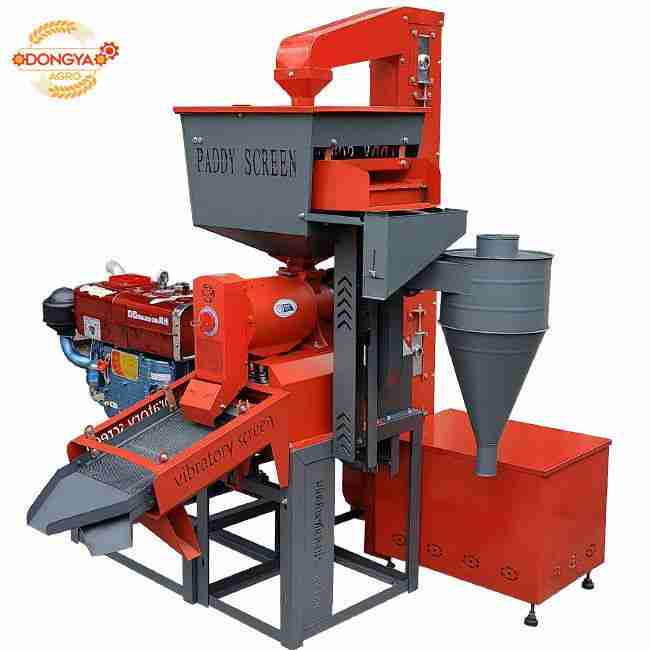
Understanding the Advantages of Mini Rice Mills in Modern Agriculture
Mini rice mills have become a transformative force in the agricultural landscape, offering a range of advantages that resonate with modern farming practices. Unlike traditional larger mills, mini rice mills are designed to minimize production costs while enhancing efficiency. Farmers can process their harvests on-site, which not only reduces transportation and storage expenses but also ensures better quality control. The compact size of these mills makes them ideal for smallholder farmers, enabling them to take charge of their processing and earn more from their produce.
Moreover, mini rice mills contribute significantly to the sustainability of agricultural practices. With their ability to operate on low power and a smaller footprint, they allow farmers to engage in eco-friendly processes. Farmers can avoid the environmental impact associated with larger mills, promoting a more sustainable approach to rice production. The operation is also simplified, requiring less manpower and offering ease of maintenance. Key benefits include:
- Cost Efficiency: Reduced processing costs potentially increase profits for farmers.
- Quality Control: Retaining home-grown quality by processing on-site.
- Sustainability: Lower energy consumption compared to larger mills.
- Ease of Use: Simple setup and maintenance enhance accessibility for all farmers.
Technological Innovations Driving Mini Rice Mill Efficiency
As the agricultural sector continues to grow, mini rice mills are at the forefront of innovation, integrating advanced technologies to enhance productivity and quality. Automation is one of the key factors driving this efficiency, allowing for a seamless operation where human intervention is minimized. Smart sensors monitor moisture levels in real-time, ensuring grains are processed under optimal conditions, thus reducing spoilage and enhancing the final product’s quality. Moreover, the incorporation of data analytics enables mill operators to track performance metrics, leading to informed decision-making that fine-tunes milling operations for maximum yield.
Additionally, modern mini rice mills are incorporating energy-efficient machinery that significantly lowers operational costs. These machines utilize high-performance motors and heat recovery systems to cut down energy consumption while maintaining high output levels. Another noteworthy innovation is the integration of cloud-based management systems, allowing operators to remotely monitor and manage their milling processes. This not only adds convenience but also facilitates predictive maintenance, reducing downtime and increasing overall operational efficiency. The role of technology in modernizing rice mills is profound, making them indispensable in meeting the rising global demand for rice.
| Innovation | Benefit |
|---|---|
| Automation | Reduced labor costs and improved precision in operations. |
| Smart Sensors | Optimized processing conditions to enhance quality. |
| Energy-Efficient Machinery | Lower operational costs and reduced environmental impact. |
| Cloud-Based Management | Remote monitoring and predictive maintenance capabilities. |
Strategies for Implementation: How to Integrate Mini Rice Mills into Small-Scale Farming
Integrating mini rice mills into small-scale farming requires a blend of technical knowledge, community involvement, and careful planning. One effective strategy is to form cooperative alliances among local farmers, enabling them to share resources and reduce costs. By pooling finances for the purchase of a mini rice mill, farmers can access technology that would otherwise be out of reach. Additionally, providing training workshops will empower farmers to operate the mills proficiently, ensuring they can maximize productivity and quality. Key components of this strategy include:
- Financial Support: Seek grants or micro-loans aimed at agricultural improvements.
- Technical Training: Offer educational sessions about operation and maintenance.
- Community Engagement: Organize regular meetings to discuss challenges and successes.
Moreover, incorporating sustainable practices is crucial for long-term success and environmental protection. By promoting organic farming methods and integrating mini rice mills, farmers can enhance their product value while adhering to eco-friendly protocols. Setting up a feedback loop where farmers share insights about their experiences with the mills can further improve systems and processes. Consider establishing a simple chart tracking productivity, resource usage, and profit margins, to visualize the impact of mini rice mills:
| Parameter | Before Mini Rice Mill | After Mini Rice Mill |
|---|---|---|
| Rice Yield (kg per acre) | 1200 | 1600 |
| Cost of Processing (USD) | 250 | 150 |
| Time for Harvesting (Days) | 14 | 7 |
| Market Price (USD/kg) | 0.40 | 0.55 |

Maximizing Productivity: Best Practices for Operating Mini Rice Mills Effectively
To ensure the seamless operation of mini rice mills, integrating modern technology and adhering to efficient management practices is crucial. Regular maintenance of machinery not only extends its lifespan but also enhances performance. Setting up a maintenance schedule, including routine checks of essential components like grain cleaners, hulling machines, and polishers, is instrumental in preventing unexpected breakdowns that could delay production. Additionally, training staff on the proper use of equipment can reduce error rates and increase overall productivity.
Effective workflow management is another pillar of maximizing output. Implementing a lean manufacturing approach can significantly minimize waste and streamline processes. Consider organizing workstations efficiently to facilitate smooth transitions between different stages of rice processing. Key practices include:
- Batch processing: Group similar tasks to reduce setup time.
- Feedback loops: Encourage staff to report inefficiencies promptly.
- Inventory management: Maintain optimal stock levels of raw materials to avoid production stops.
Furthermore, utilizing software tools to monitor production metrics enables mill operators to identify areas for improvement, ultimately leading to enhanced efficiency and profitability.
| Key Element | Description |
|---|---|
| Regular Maintenance | Routine checks to prevent machinery breakdowns. |
| Staff Training | Empowering employees with proper operational techniques. |
| Lean Practices | Minimizing waste in production processes for better efficiency. |
The Way Forward
As we conclude our exploration into the transformative world of mini rice mills, it’s clear that these small yet mighty machines are not just reshaping the landscape of rice processing but are also paving the way for sustainable agricultural practices. By combining efficiency with accessibility, mini rice mills empower farmers to take charge of their production, ensuring they reap the benefits of their hard work.
In an era where innovation meets tradition, these compact mills represent more than just a technological advancement; they embody a revolution in how we perceive food processing and local economies. As communities adopt these solutions, the ripple effects will undoubtedly inspire further innovations within the agricultural sector, driving growth and sustainability.
Moving forward, the challenge lies in ensuring that every farmer, no matter the size of their operation, can harness the potential of mini rice mills. In this collaborative future, we can unlock efficiency not only for individual producers but for entire communities, fostering resilience and promoting food security around the globe. The journey of transformation is just beginning, and the possibilities are as vast as the fields from which they harvest.



