
Unlocking Quality: The Journey Through Rice Processing Plants
In the heart of rural landscapes, where the golden waves of rice paddies sway under the sun, lies an intricate web of transformation. Each grain, nurtured by nature, holds the promise of nourishment, culture, and tradition. Yet, before it graces our tables as fragrant bowls of steamed perfection or as a staple in global cuisines, rice embarks on a remarkable journey through processing plants. These facilities, often the unsung heroes of the agricultural supply chain, are where the humble grain transitions from field to fork. In this article, we delve into the meticulous processes that unlock the quality of rice, exploring the technologies, practices, and human expertise that ensure each bite is a testament to diligence and craftsmanship. Join us as we unravel the story behind this essential staple and discover what it truly means to elevate a simple grain into a beloved culinary cornerstone.
Understanding the Rice Supply Chain: From Farm to Mill
In the quest for high-quality rice, the journey begins on the farm, where the type of soil, climate conditions, and cultivation methods play a pivotal role. Farmers select specific rice varietals suited to their region, implementing sustainable practices that enhance soil fertility and water conservation. Key aspects that contribute to the quality of the rice include:
- Seed Selection: Choosing disease-resistant and high-yield rice varieties.
- Irrigation Techniques: Utilizing efficient water management to promote optimal growth.
- Pest Management: Implementing integrated pest management (IPM) to avert harm to the crop.
Once harvested, the grains travel to processing plants, where they undergo a meticulous transformation. At this stage, different activities ensure that the rice meets quality and safety standards. Processing steps include:
- Cleaning: Removing impurities such as straw, stones, and dirt.
- Drying: Reducing moisture content to prevent spoilage and enhance shelf life.
- Hulling: Removing the outer husk to expose the edible grain.
To visualize how these processes create high-quality rice, consider the table below:
| Process | Description | Importance |
|---|---|---|
| Cleaning | Elimination of foreign materials | Ensures purity and hygiene |
| Drying | Moisture reduction | Prevents spoilage |
| Hulling | Outer husk removal | Reveals the edible grain |
Technological Innovations Reshaping Rice Processing Efficiency
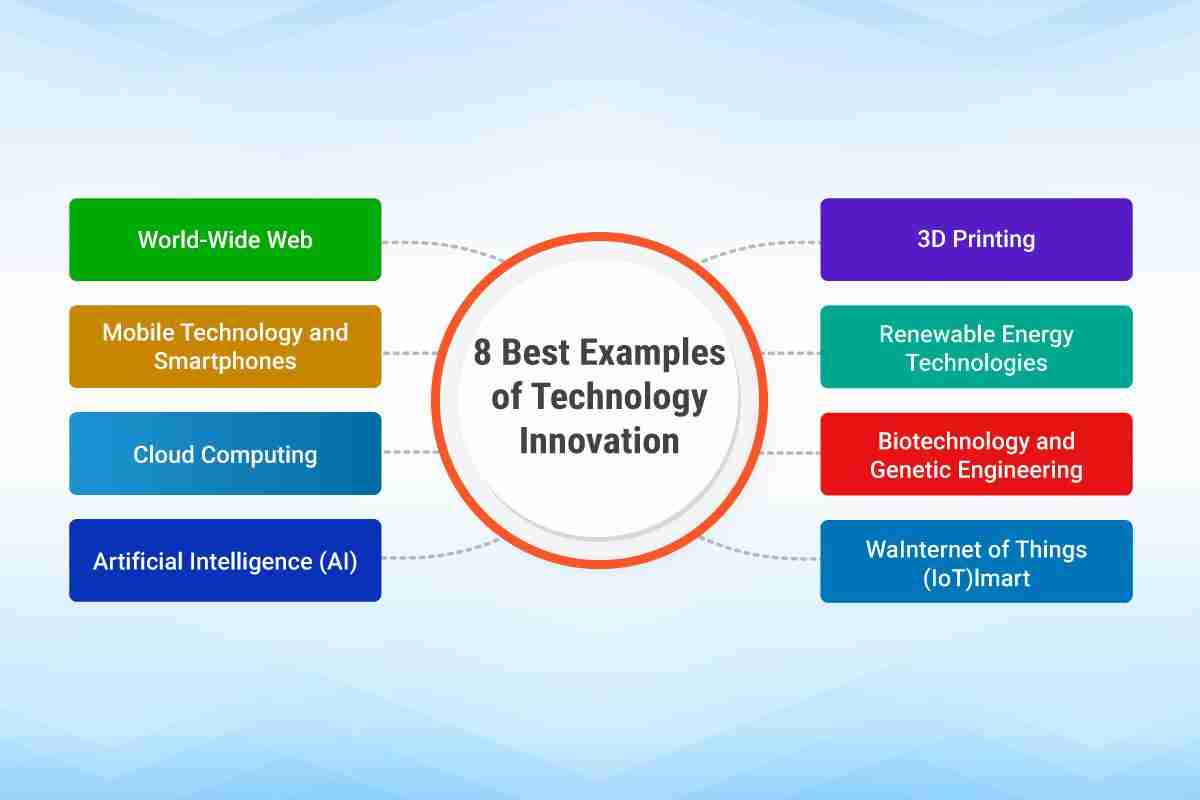
Advancements in technology are revolutionizing the way rice is processed, enhancing efficiency and quality in ways previously thought impossible. From automated sorting systems to state-of-the-art milling equipment, these innovations streamline operations and minimize waste. Key technological developments include:
- Artificial Intelligence: AI algorithms analyze grain quality and optimize processing parameters, ensuring a consistent end product.
- IoT Integration: Smart sensors monitor machinery performance in real-time, allowing for preventive maintenance and minimizing downtime.
- Cloud Computing: Data analytics platforms leverage vast amounts of processing data, empowering decision-making and improving supply chain management.
Moreover, the incorporation of energy-efficient machinery is not just cost-effective but also environmentally responsible. By utilizing advanced drying systems and eco-friendly milling techniques, rice processing plants can significantly reduce their carbon footprint. The impact of these enhancements can be quantified through an overview table displaying energy consumption reduction:
| Technology | Energy Consumption (%) | Efficiency Gain (%) |
|---|---|---|
| Traditional Milling | 100 | 0 |
| Modern Milling | 70 | 30 |
| AI Sorting | 60 | 40 |
Quality Control Measures: Ensuring Standards at Every Stage
In the intricate world of rice processing, robust quality control measures are paramount to maintain excellence from harvest to package. Each stage of rice processing benefits from a systematic approach encompassing various checkpoints where quality is meticulously evaluated. For instance, initial assessments focus on factors such as moisture content, impurity levels, and kernel integrity. As rice transitions from one process to another—be it hulling, milling, or polishing—quality checks ensure that every grain meets stringent standards before moving forward. Consistent sampling and testing enable processors to identify and remediate issues promptly, promoting the highest level of product integrity.
Effective quality control extends beyond mere inspections, incorporating advanced technologies such as optical sorting and automated grading systems to enhance precision. By leveraging these tools, processors can efficiently detect defects and segregate rice into appropriate quality categories based on specific consumer requirements. Collaborative efforts between quality assurance teams and production staff foster a culture of accountability that is essential for continuous improvement. Moreover, detailed documentation throughout the process not only maintains traceability but also provides valuable data for future enhancements to procedures and practices, thus ensuring excellence in every grain delivered to the market.
| Quality Control Aspect | Description |
|---|---|
| Visual Inspection | Evaluates physical attributes like color, shape, and signs of damage. |
| Moisture Testing | Measures moisture content to prevent spoilage and enhance shelf life. |
| Foreign Material Detection | Identifies and removes non-rice materials to ensure purity. |
| Quality Grading | Categorizes rice based on size, shape, and quality attributes. |
Sustainable Practices in Rice Processing: Balancing Performance and Environmental Impact
In the quest for quality rice, processing plants are increasingly adopting innovative, eco-friendly methodologies that enhance performance while minimizing environmental repercussions. By integrating sustainable practices, processors are able to maintain the integrity of the rice while also reducing energy consumption and waste production. Some of the key measures include:
- Water Recycling: Implementing advanced filtration systems that allow the reuse of water in various stages of processing.
- Energy Efficiency: Utilizing renewable energy sources such as solar or wind power to meet operational energy demands.
- Waste Management: Converting byproducts like husks and bran into biofuel or organic fertilizers, thus closing the waste loop.
Moreover, elevating the ecological footprint of rice processing also involves careful selection of machinery and technology that promote sustainability without compromising quality. The integration of automated systems not only boosts efficiency but also reduces human error and material wastage. Below is a comparison of conventional versus automated processes:
| Feature | Conventional Processing | Automated Processing |
|---|---|---|
| Labor Intensity | High | Low |
| Waste Generation | Higher | Lower |
| Energy Consumption | Moderate | Optimized |
This dual approach of improving efficiency while incorporating green technologies ensures that rice processing not only meets the demands of consumers for high-quality products but also serves the planet by nurturing its resources for future generations.
Wrapping Up
As we conclude our exploration of the intricate world of rice processing plants, we are reminded that each grain tells a story—a narrative woven through tradition, technology, and dedication. From the glimmering fields where rice begins its journey to the bustling facilities where it is transformed, we have witnessed the seamless interplay of human ingenuity and natural bounty.
Unlocking quality in rice is not merely a task; it is an art form that requires a meticulous balance of age-old practices and modern advancements. Each step in the processing chain serves as a testament to the commitment to excellence, ensuring that every mouthful not only nourishes but also honors the hard work that goes into its production.
As consumers, it is essential we recognize the symphony of effort behind our everyday meals. The rice that graces our tables is the culmination of countless hands and innovative minds striving to uphold quality at every turn. As we savor our next bowl of rice, let us do so with an appreciation for the journey it undertook—one that reflects resilience, sustainability, and the relentless pursuit of perfection.
May we continue to support the evolution of rice processing, championing the delicate balance between quality and accessibility, and fostering a greater understanding of where our food comes from. After all, in every grain lies the potential for a story just waiting to be shared.



