
In an era where innovation meets tradition, the agricultural landscape is witnessing a transformative shift with the emergence of cutting-edge technology designed to streamline age-old practices. Among these advancements, the mini rice milling machine stands out as a beacon of efficiency and sustainability, promising to revolutionize the way we process one of the world’s staple grains. As the demand for rice continues to soar in tandem with global populations, the need for efficient, small-scale milling solutions has never been more pressing. This article delves into the world of mini rice milling machines, uncovering how they not only enhance productivity but also empower local farmers and communities. Join us as we explore this game-changing technology, its benefits, and its potential to reshape the future of grain processing.
Transforming Traditional Practices with Compact Technology
In recent years, the agricultural sector has seen a significant shift toward the adoption of compact technology, making traditional practices more efficient and sustainable. The mini rice milling machine epitomizes this transformation, offering numerous benefits that make it an ideal choice for modern farmers. By integrating advanced engineering with simplicity of use, these machines bring forth a range of advantages:
- Increased Efficiency: Compact machines can mill rice faster and with less labor, streamlining the entire process.
- Energy Savings: With reduced power consumption, farmers can save on energy costs while minimizing their carbon footprint.
- Portability: The lightweight design allows farmers to easily transport the machine to various locations, ensuring accessibility in different regions.
Moreover, these innovative machines typically require less maintenance than their larger counterparts, enabling farmers to focus on their rice production rather than equipment upkeep. As a testament to their effectiveness, the following table highlights a comparative analysis of traditional milling practices versus modern compact solutions:
| Feature | Traditional Milling | Mini Rice Milling Machine |
|---|---|---|
| Processing Speed | Slow | Fast |
| Labor Requirement | High | Low |
| Initial Investment | High | Affordable |
| Environmental Impact | Moderate | Low |
This comparison illustrates how the mini rice milling machine not only transforms traditional rice milling practices but also aligns with contemporary agricultural needs, making it a cornerstone of sustainable farming strategies around the globe.
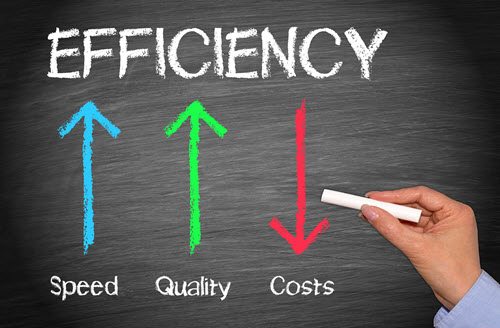
Enhancing Efficiency and Quality in Small-Scale Milling
Small-scale milling operations have traditionally faced challenges related to efficiency and product quality. With the advent of the mini rice milling machine, these obstacles are being dismantled. Designed to serve smallholders and rural entrepreneurs, this innovative equipment blends cutting-edge technology with user-friendly features. Key benefits include:
- Automated Process: Streamlining operations minimizes the labor requirement.
- Precision Milling: Ensures uniform grain size and quality, enhancing market value.
- Compact Design: Occupies less space while maintaining high production capacity.
The introduction of the mini rice milling machine not only boosts productivity but also raises quality standards for locally milled rice. By integrating advanced milling technology with traditional practices, millers can now optimize their workflow. A quick comparison of traditional versus mini milling can highlight significant advantages:
| Feature | Traditional Milling | Mini Milling Machine |
|---|---|---|
| Setup Complexity | High | Low |
| Energy Consumption | High | Low |
| Output Quality | Variable | Consistent |
| Maintenance Needs | Frequent | Minimal |
As communities adapt to this modern approach, the benefits extend beyond individual mills. Improved processing capabilities foster stronger local economies, reduce post-harvest losses, and elevate the quality of staple food supplies. The impact is profound, and the revolution in grain milling is just beginning.
Sustainable Solutions for Modern Rice Farmers
As modern rice farmers face the challenges of sustainability and efficiency, innovative technologies are paving the way for more sustainable practices. The introduction of mini rice milling machines marks a significant advancement in reducing the carbon footprint associated with traditional processing methods. These compact devices offer several environmental benefits, including:
- Energy Efficiency: Consuming less power compared to conventional mills.
- Reduced Water Usage: Optimizing the use of water in the milling process.
- Minimized Waste: Producing less byproduct through improved design.
- Lower Transportation Needs: Small size allows for localized milling, cutting transport emissions.
Furthermore, these machines empower farmers by providing an opportunity for self-processing, thus enhancing local economies. The adaptability of mini rice milling machines enables them to cater to smallholder farmers who previously relied on distant milling facilities. Noteworthy features of these machines include:
| Feature | Description |
|---|---|
| Compact Design | Allows easy mobility and storage. |
| User-Friendly Interface | Simplifies operation for farmers with varying skill levels. |
| Affordability | Offers a cost-effective solution for small-scale farming. |
The shift towards these innovative solutions represents a holistic approach to agriculture, embodying the spirit of efficiency while honoring the principles of sustainability. By revolutionizing the milling process, rice farmers can cultivate a future that benefits not only their livelihoods but also the health of the planet.
Investing in the Future: Economic Benefits of Mini Rice Milling Machines
Investing in mini rice milling machines holds transformative potential for small-scale farmers and local economies. These machines not only simplify the rice processing workflow but also enable farmers to retain a greater share of the value chain. By milling their own rice, producers can:
- Reduce Production Costs: Eliminating the need for third-party milling services allows farmers to significantly cut processing expenses.
- Enhance Quality Control: Direct oversight of the milling process ensures higher quality grain, which can lead to better market prices.
- Boost Local Employment: Establishing local milling operations creates jobs and stimulates economic growth in rural areas.
Moreover, the compact nature of mini milling machines allows for easy integration into existing agricultural practices. Their portability empowers farmers to process rice on-site, minimizing transportation costs and time. The potential economic benefits can be illustrated as follows:
| Benefit | Impact |
|---|---|
| Cost Savings | Up to 30% reduction in processing costs |
| Income Generation | Increased profits through direct sales of high-quality rice |
| Community Growth | New jobs created in milling and distribution sectors |
Additionally, these machines are designed with energy efficiency in mind, often utilizing less power than traditional milling setups. The adoption of mini rice milling technology promotes sustainable agricultural practices while fostering economic self-sufficiency within communities. As farmers invest in this advanced equipment, they not only improve their livelihoods but also contribute to the broader agricultural ecosystem.
Insights and Conclusions
In the ever-evolving landscape of agriculture, innovation stands as the keystone to sustainable progress. As we’ve explored the transformative potential of the mini rice milling machine, it’s clear that this compact marvel is not just a piece of equipment; it embodies the future of grain processing. With its ability to enhance efficiency, reduce waste, and empower smallholder farmers, this technology is positioned to revolutionize not only how we mill rice but also how we envision food production on a global scale.
As we close this exploration, let us acknowledge that the journey toward agricultural reform is ongoing. The mini rice milling machine symbolizes a larger movement toward accessibility and sustainability, paving the way for communities to thrive. By adopting such innovations, we take a step closer to a world where food security is a reality for all.
As we move forward, may we continue to seek, support, and celebrate the technologies that transform our traditional practices into modern solutions, ensuring that every grain tells a story of progress and possibility. Thank you for joining us in this examination of a truly revolutionary tool, and may it inspire further dialogues on the future of agriculture and beyond.



