
In the bustling heart of agricultural communities across the globe, a quiet revolution takes place, transforming a simple seed into a staple food that nourishes billions. “Transforming Grain: The Art and Science of Rice Processing” delves into the intricate journey of rice, from the verdant fields where it is cultivated to the sophisticated mills where it undergoes meticulous processing. This article explores the harmonious blend of tradition and innovation that defines rice processing, illuminating the techniques that have been passed down through generations while embracing cutting-edge technologies that enhance efficiency and sustainability. Join us as we uncover the layers of this essential grain, examining not only its nutritional and culinary significance but also the artistry involved in turning raw harvests into the polished grains that grace our tables.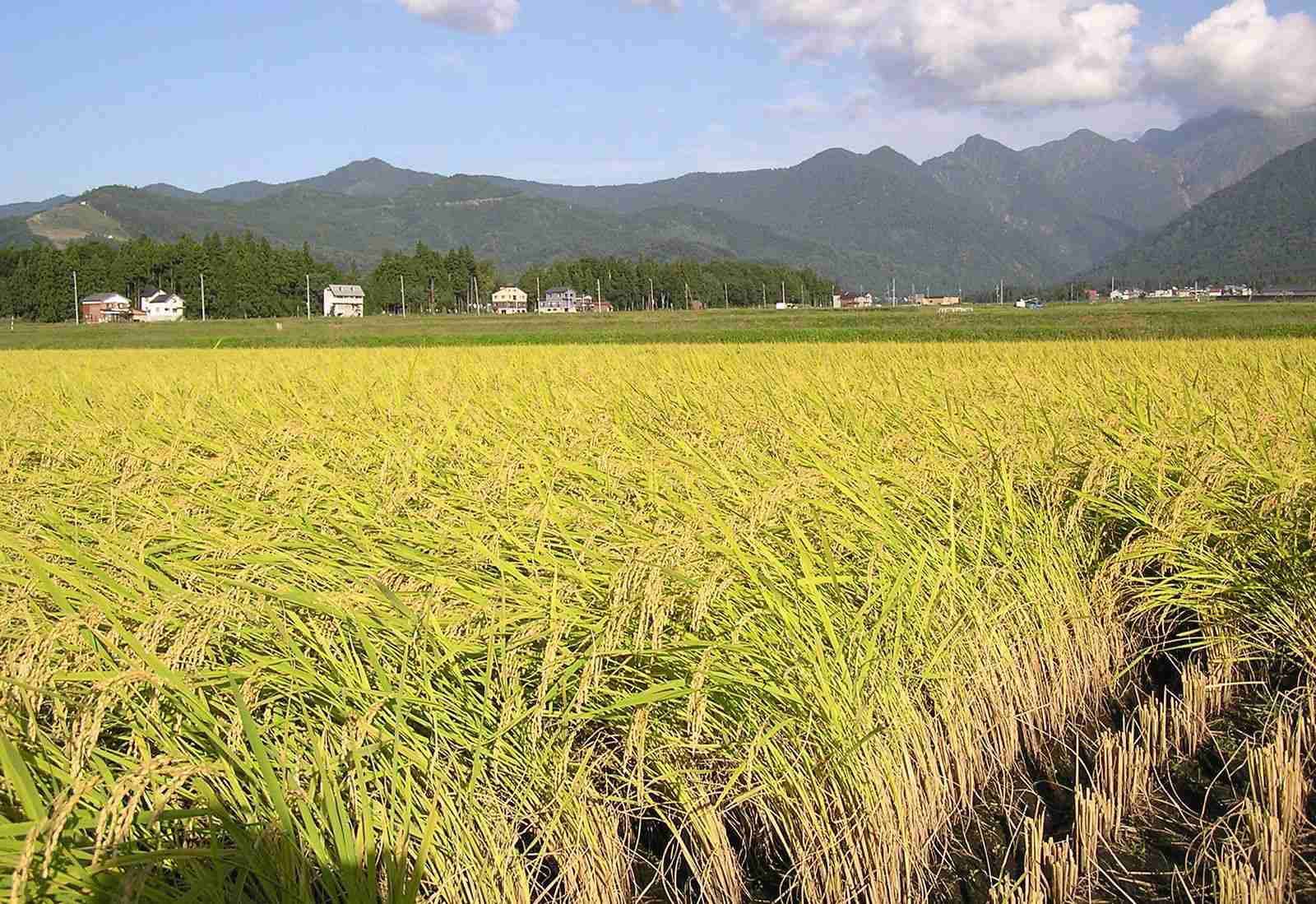
Exploring the Journey from Paddy to Plate
The journey of rice from paddy to plate is a fascinating blend of tradition and technology, showcasing the meticulous process that transforms what once grew tall in golden fields into the staple food cherished globally. At the heart of this transformation lies a series of expertly executed steps, where harvesting, drying, and milling take center stage. Each phase requires precision and diligence, ensuring that the rice retains its highest quality while enhancing its flavor and texture. Farmers select optimal harvesting times to ensure the grains achieve perfect ripeness, and then they turn to their specialized equipment to minimize damage during collection.
Once harvested, the rice grains undergo a drying process that reduces moisture content, which is crucial for storage and preventing spoilage. Following this, the milling phase begins, involving several key processes including hulling to remove the inedible husk, polishing to obtain the characteristic pearly white appearance, and grading to separate grains by size and quality. Each of these steps reflects the careful balance of art and science, as modern technology blends with time-honored practices. The table below summarizes the key steps in rice processing and their significance:
| Processing Step | Importance |
|---|---|
| Harvesting | Ensures the grains are collected at peak ripeness for optimal flavor. |
| Drying | Prevents spoilage by reducing moisture content in the grains. |
| Milling | Transforms raw grains into consumable rice through hulling and polishing. |
| Grading | Ensures a consistent quality through separation of grain sizes. |
Innovative Techniques in Rice Milling and Polishing
In the realm of rice milling, innovation meets tradition, creating a dynamic landscape for processing this staple grain. Modern technologies such as laser sorting have emerged, allowing millers to enhance the quality of rice by detecting impurities and ensuring only the best grains are polished. Additionally, advancements in mechanical polishing techniques, utilizing high-speed friction and air flow, provide a gentle touch, preserving the grain’s nutritional value while achieving a gleaming finish. Key benefits of these methods include:
- Increased Efficiency: Enhanced milling operations reduce processing time significantly.
- Higher Yield: Innovative strategies lead to a greater percentage of marketable rice.
- Quality Control: Real-time monitoring ensures consistent and superior quality.
Furthermore, the integration of smart technologies into the milling process is transforming the industry. By employing sensors and automation, millers can monitor moisture levels, detect foreign materials, and adjust milling parameters in real-time. These practices not only streamline operations but also help mitigate waste and energy consumption. The integration of data analytics drives decision-making, allowing for continuous improvement in production techniques. Key technologies providing insight and efficiency include:
| Technology | Function | Benefit |
|---|---|---|
| IoT Sensors | Monitor environmental conditions | Optimize storage and reduce spoilage |
| Automated Systems | Control milling speed and pressure | Enhance precision and yield |
| Data Analytics | Analyze production data | Identify trends for continuous improvement |
Nutritional Enhancement: Fortifying Rice for Health Benefits
In the quest for enhanced health benefits, rice is undergoing a remarkable transformation. Traditional processing methods are giving way to innovative techniques that fortify this staple grain with essential nutrients. By incorporating vitamins and minerals directly into the rice during milling or through post-harvest treatments, the nutritional profile of this beloved food can be significantly improved. Some key enrichment methods include:
- Fortification with Iron: A powerful way to combat anemia, this method increases the iron content of rice, making it a vital dietary source for many populations.
- Vitamin A Enrichment: Utilizing biofortified strains can result in rice varieties rich in beta-carotene, crucial for promoting eye health and boosting immune function.
- Inclusion of Folate: Fortifying rice with this essential B-vitamin supports prenatal health, aiding in the prevention of neural tube defects.
This fortification process not only enhances nutritional value but also aligns with global health initiatives aimed at reducing micronutrient deficiencies. Moreover, the consumption of nutrient-enriched rice can lead to improved dietary patterns and overall health outcomes. The impact of such enhancements can be tracked effectively, demonstrating their benefit to public health through:
| Health Benefit | Fortified Nutrient | Target Population |
|---|---|---|
| Reduced Anemia Rates | Iron | Women and Children |
| Improved Vision Health | Vitamin A | Children |
| Enhanced Maternal Health | Folate | Pregnant Women |
This thoughtful integration of nutritional elements into rice supports a future where dietary staples can serve not just as sources of energy, but also as crucial elements in the fight against malnutrition and related health issues.
Sustainable Practices in Rice Processing for a Greener Future
As the global demand for rice continues to escalate, integrating environmentally friendly practices into rice processing becomes imperative. Techniques such as using renewable energy sources and implementing efficient water management systems not only lower the carbon footprint but also enhance the sustainability of the entire production chain. By adopting methods like zero-waste processing, producers can reuse by-products such as husks and bran to create biofuel or animal feed, minimizing landfill contributions.
Moreover, the adoption of advanced technologies in rice milling, including energy-efficient machines and automated precision controls, leads to improved yield and diminished resource consumption. Educating stakeholders on the importance of sustainable practices is crucial; collaborative efforts can cultivate a culture of environmental stewardship within the rice industry. Here are some key practices that promote sustainability:
- Water recycling: Collecting and reusing water used in processing.
- Solar energy utilization: Leveraging solar panels to power milling facilities.
- Biodegradable packaging: Shifting to eco-friendly packaging alternatives.
| Practice | Benefit |
|---|---|
| Energy-efficient processing | Reduces energy consumption and costs |
| Waste valorization | Transforms by-products into valuable resources |
| Organic farming methods | Enhances soil health and biodiversity |
In Retrospect
As we conclude our exploration into the intricate ballet of grain transformation, particularly in the realm of rice processing, we find ourselves at the crossroads of art and science. This journey through husks and grains has revealed not only the meticulous practices that elevate a humble crop but also the deep cultural significance embedded within each grain of rice.
From the traditional methods that have stood the test of time to the innovative technologies shaping the future of food production, the processing of rice encapsulates a rich tapestry of human ingenuity and environmental stewardship. As we celebrate the transformative processes that turn raw grain into a staple that nourishes millions, we are reminded of the invisible hands and educated minds behind this essential journey.
In an era of growing global challenges, the quest for efficiency, sustainability, and quality in rice processing remains crucial. As we continue to refine these methods, let us honor the legacy of this ancient grain while embracing the new horizons of agricultural science. Ultimately, the story of rice processing is not just about grains; it is about each of us, connected through our shared food heritage and our constant pursuit of progress. With every bite, we partake in this ongoing narrative—a testament to the enduring interplay of tradition and innovation.



