
Title: Efficiency in Every Grain: Exploring the Combine mini rice mill
In a world where innovation intersects with tradition, the art of rice milling is experiencing a transformative evolution. Amidst the sprawling fields where rice grains sway gently in the wind, a silent revolution is quietly gaining momentum—the advent of the Combine Mini Rice Mill. This compact yet powerful machine is changing the way we approach rice production, streamlining processes and amplifying efficiency in every grain. As farmers seek to balance quality with quantity in an increasingly competitive market, the Combine Mini Rice Mill emerges as a beacon of modern agricultural ingenuity. In this exploration, we delve into the mechanics, benefits, and impact of this remarkable machine, uncovering how it not only enhances productivity but also preserves the essence of rice cultivation. Join us as we journey through the intricate world of rice milling, where each grain is not just a staple of life, but a testament to human ingenuity and resilience.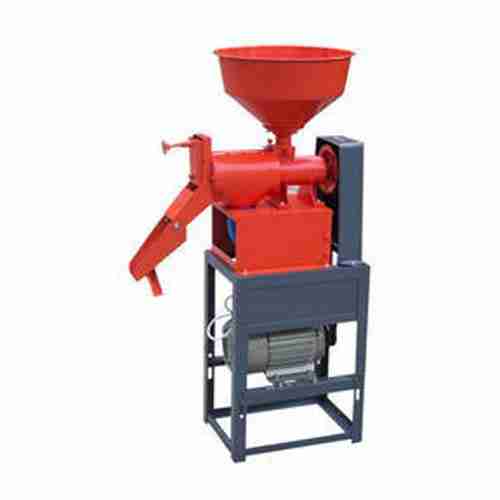
Unveiling the Mini Rice Mill: A Comprehensive Introduction to Its Design and Functionality
The mini rice mill is a remarkable piece of machinery that has revolutionized the way rice is processed. Its compact design and energy-efficient operation make it an ideal solution for small-scale farmers and rice producers. This innovative equipment integrates multiple functions into one streamlined process, leading to higher productivity and less time spent on manual tasks. The main components of the mini rice mill include the husk remover, paddy separator, and polisher, all working in harmony to deliver high-quality rice while minimizing grain loss.
One of the standout features of the mini rice mill is its user-friendly interface, allowing operators to easily adjust settings for various types of rice. Additionally, the mill is designed with durability in mind, incorporating high-quality materials that withstand the rigors of daily use. Here are some key advantages of employing a mini rice mill:
- Space-saving design: Ideal for small farms or processing units
- Cost-effective: Reduces labor and operational costs
- Versatile: Can process different varieties of rice
- Environmentally friendly: Low energy consumption
| Feature | Description |
|---|---|
| Capacity | Can process up to 500 kg of paddy per hour |
| Efficiency | Up to 90% milling efficiency |
| Maintenance | Easy to maintain with readily available parts |
Maximizing Yield: Understanding the Efficiency Benefits of Mini Rice Mills in Modern Agriculture
Mini rice mills are reshaping the landscape of agricultural efficiency by leveraging advanced technology for optimal grain processing. These compact machines offer a multitude of efficiency benefits that cater to small and medium-scale farmers, empowering them to improve their yields without significant investment. Key advantages include:
- Reduced Processing Time: Mini mills significantly shorten the time taken from paddy to polished rice, allowing farmers to allocate their resources more effectively.
- Lower Operational Costs: With minimal energy consumption and lower maintenance requirements, mini rice mills help farmers cut down on operational expenses.
- Improved Grain Quality: Enhanced husking and milling techniques maintain the integrity of grains, resulting in better quality output that meets market standards.
In addition, the versatility of mini rice mills enhances their role in promoting sustainable farming practices. These machines can adapt to various rice varieties and processing requirements, making them a valuable asset in diverse agricultural settings. For example, many units now include features that allow farmers to:
| Feature | Benefit |
|---|---|
| Multi-Functionality | Process different grains beyond rice, enhancing overall productivity. |
| Portability | Easily transport to various locations, making them ideal for communal farming efforts. |
| Ease of Use | User-friendly interfaces reduce the learning curve for new operators. |
By harmonizing technological innovation with practical functionality, mini rice mills epitomize the essence of modern agriculture—maximizing yield while supporting sustainable practices. Their capacity to efficiently process grains not only uplifts individual farmers but also contributes to food security and economic stability within communities.
From Seed to Silo: Best Practices for Operating and Maintaining Your Mini Rice Mill
Operating and maintaining a mini rice mill effectively requires careful attention to detail, ensuring that every aspect of the milling process contributes to optimal efficiency. Regular inspections of grain quality are crucial. This includes checking for moisture content, which should ideally be between 13-14% for optimal milling. Additionally, ensure that the rice husk is removed completely to prevent clogging, which can lead to unnecessary downtime. Implementing a routine maintenance schedule for machine parts such as the cylinders, filters, and screens can significantly reduce wear and enhance the mill’s lifespan.
Another best practice involves training your operators on the proper use of the machinery. Knowledgeable operators can spot issues before they escalate and can fine-tune settings for different rice varieties, maximizing output. Consider the following as part of your training program:
- Understanding machine settings: Familiarize operators with the right settings for different grains.
- Safety protocols: Ensure all operators are aware of safety measures to prevent accidents.
- Daily maintenance tasks: Teach operators simple tasks like cleaning and lubricating the machine.
Keeping records of production rates and machine performance can also help identify trends over time, enabling informed decisions regarding upgrades or replacements. A sample tracking table for production might resemble:
| Date | Input Quantity (kg) | Output Quantity (kg) | Efficiency (%) |
|---|---|---|---|
| 2023-01-01 | 1000 | 950 | 95% |
| 2023-01-02 | 1200 | 1140 | 95% |
These practices collectively ensure that your mini rice mill operates smoothly and maintains long-term productivity, contributing positively to your overall business efficiency.
Cost-Effective Solutions: Evaluating the Financial Advantages of Investing in a mini rice mill
Investing in a mini rice mill offers a multitude of financial benefits that can significantly enhance profitability for small-scale rice producers. By streamlining the processing of paddy into rice, these compact machines reduce labor costs and increase efficiency. With lower operational expenses, farmers can redirect their savings towards other critical areas, such as improving sustainability practices or investing in better seed quality. Moreover, mini rice mills require a modest initial investment compared to larger machinery, making them accessible to smaller producers looking to expand their operations without incurring massive debt.
Additionally, the financial advantage becomes even more apparent when considering the return on investment (ROI) over time. The ability to process rice in-house not only minimizes reliance on third-party milling services but also allows farmers to retain a greater share of the profits. With improved quality control, they can sell their products at higher market rates. Consider the following key points that encapsulate some financial advantages of mini rice mills:
- Reduced transportation costs by milling locally.
- Less spoilage during processing.
- Increased productivity leading to higher yields.
- Diverse product offerings such as rice bran and husk.
| Financial Aspect | Traditional Method | mini rice mill |
|---|---|---|
| Initial Investment | High | Moderate |
| Operating Costs | High | Low |
| Profit Margin | Variable | Consistent |
In Retrospect
As we draw the curtain on our exploration of the Combine Mini Rice Mill, it becomes evident that this innovative machinery is more than just a tool; it is a catalyst for efficiency and productivity in rice processing. By marrying compact design with cutting-edge technology, the mini rice mill empowers farmers and small-scale processors alike, unlocking the potential to boost yield and optimize operations without compromising quality.
In a world where every grain counts, embracing efficiency becomes paramount. The Combine mini rice mill stands as a testament to ingenuity, seeking to elevate the standards of rice milling and contribute to a more sustainable agricultural future. Whether you are a seasoned professional or a newcomer in the field, the insights gleaned from this exploration serve as a foundation for harnessing the power of modern milling techniques.
As you venture forth into your own rice processing endeavors, may the lessons learned here inspire you to embrace innovation, enhance your practices, and ultimately ensure that every grain is a testament to not just productivity, but to the art of precision and care in agriculture.



