
In the heart of lush green landscapes, where the gentle rustle of rice paddies whispers tales of tradition and sustainability, lies the gateway to an age-old journey—“From Grain to Greatness.” Step inside a paddy processing factory, where the humble rice grain transforms from its sun-soaked origins into a staple celebrated worldwide. This intricate process is a symphony of nature, machinery, and human endeavor, harmonizing tradition with modern technology. As we peel back the layers of operation, we’ll explore the meticulous steps that elevate this staple from mere harvest to the cornerstone of countless cuisines. Join us on this inside look at the artistry and precision that drive the journey of paddy processing, revealing not just how rice is produced, but why it holds a place of prominence on tables across the globe.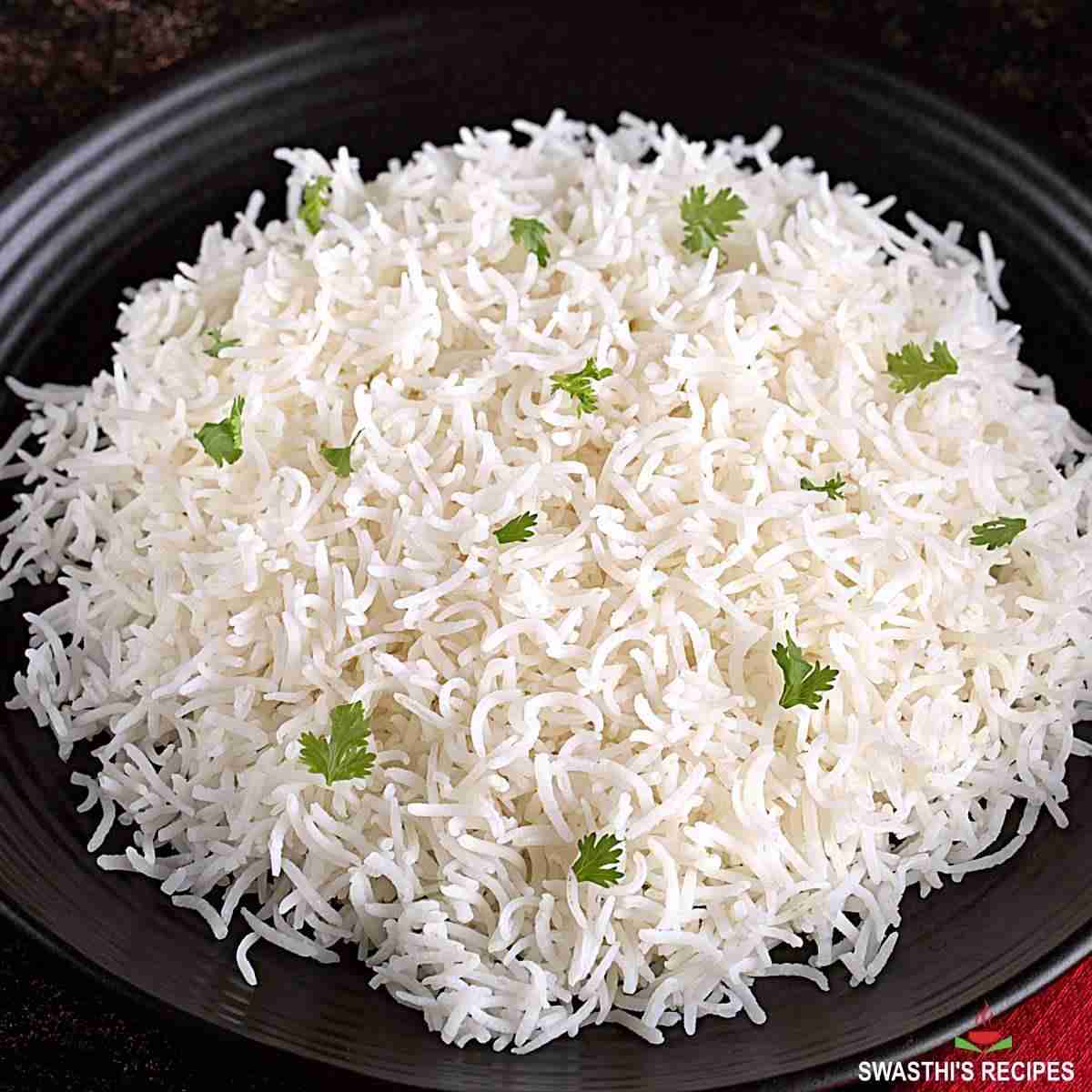
Exploring the Journey of Rice: Understanding Paddy Processing Techniques
Embarking on the journey of rice from its humble beginnings as paddy to the polished grains that fill our kitchens involves a careful orchestration of techniques. The processing begins with the arrival of harvested paddy at the factory, where it undergoes several critical stages. Initially, the paddy is cleaned to remove impurities such as stones, dirt, and other foreign materials. Following this, it is parboiled—a process where the grains are soaked, steamed, and dried. This not only enhances the nutritional profile of the rice but also makes the grains firmer and less prone to breakage during further processing. Once parboiling is complete, the rice enters the milling phase, where the husk and bran layers are meticulously removed, unveiling the white, polished rice we are accustomed to.
Throughout this operation, various processing techniques come into play, each crucial for ensuring quality and flavor. Some of these techniques include:
- Hulling: The first step in milling that removes the outer husk.
- Milling: Involves grinding the rice to remove the bran layer for white rice.
- Polishing: A final touch to enhance the appearance and texture of the rice.
To illustrate the impact of these processing techniques, consider the following simple table that outlines the differences between various types of processed rice:
| Type of Rice | Description | Processing Steps |
|---|---|---|
| Brown Rice | Whole grain with the bran layer intact. | Minimal milling; hulling only. |
| White Rice | Polished and refined grain. | Hulling, milling, and polishing. |
| Parboiled Rice | Partially boiled in the husk for added nutrients. | Soaking, steaming, drying, hulling. |

Innovations in Milling: Enhancing Efficiency and Quality in Production
In the modern landscape of milling, innovation takes center stage, transforming traditional practices into dynamic processes that drive both efficiency and quality. State-of-the-art equipment such as automatic sorting machines and high-precision milling tools are revolutionizing the way rice is processed. These innovations not only minimize wastage but also ensure uniformity, which is crucial for producing high-quality rice. The integration of technology in monitoring and controlling milling parameters enhances the overall production flow, allowing operators to fine-tune settings in real time. The result is a streamlined process that maximizes yield while maintaining the nutritional integrity of the grain.
Moreover, sustainability plays a pivotal role in these advancements. Facilities are increasingly adopting eco-friendly practices, such as utilizing energy-efficient machines and recycling byproducts. This not only reduces the environmental impact but also contributes to cost savings. The following key innovations highlight the growing emphasis on efficiency:
- Automated Quality Control Systems: Ensuring consistency through real-time analysis of grain quality.
- Smart Milling Technologies: Leveraging Internet of Things (IoT) for improved machine communication.
- Energy Recovery Solutions: Capturing and reusing energy from milling processes.
| Innovation | Benefit |
|---|---|
| Advanced Sorting Equipment | Reduces impurities, ensuring higher quality output |
| Energy-efficient Mills | Lower operational costs, reduced environmental footprint |
| Real-time Monitoring Systems | Enhanced control over milling processes, improving efficiency |
Sustainability Practices: Reducing Waste and Promoting Eco-Friendly Operations
Within the walls of the paddy processing factory, sustainability is woven into every fiber of daily operations, emphasizing a commitment to both the environment and community welfare. From the moment grains enter the facility, measures are taken to minimize waste at every stage. The factory implements state-of-the-art technologies to ensure the refinement of paddy into rice is as efficient as possible. By using energy-efficient equipment, they significantly reduce water and power consumption, promoting responsible resource management. Furthermore, every byproduct generated throughout the milling process is valorized, ensuring nothing goes to waste. The factory also partners with local farmers and communities to repurpose agricultural waste, turning what would be trash into valuable compost or animal feed.
Eco-friendly practices extend beyond waste reduction; they also encompass the overall manufacturing environment. The factory maintains a commitment to reducing carbon footprints through renewable energy sources, including solar panels that supplement its energy needs. To promote transparency and accountability, the facility regularly conducts eco-audits, allowing them to track improvements and make data-driven decisions. An emerging initiative is a waste segregation system that focuses not only on recycling plastics and metals but also on composting organic materials. The following table summarizes the primary sustainability efforts being employed:
| Sustainability Effort | Description |
|---|---|
| Energy Efficiency | Adoption of energy-efficient machinery to minimize power consumption |
| Waste Valorization | Recycling byproducts into compost and animal feed |
| Renewable Energy | Use of solar panels to support energy needs |
| Eco-Audits | Regular assessments to track sustainability improvements |
| Waste Segregation | Implementing systems to effectively separate recyclables and compostables |
Investing in the Future: Recommendations for Growth and Technological Advancements
As we look towards a future shaped by innovation, investing in the latest technologies within paddy processing can significantly enhance efficiency and output. Implementing automated systems and smart technologies can not only streamline operations but also improve the quality of the final product. Key areas for investment include:
- Advanced Machinery: Upgrading to modern milling and sorting equipment ensures that rice is processed with minimal loss and maximum quality.
- Warehouse Automation: Utilizing robotics for packaging and inventory management can reduce labor costs and improve accuracy.
- Data Analytics: Employing analytics for monitoring production trends can lead to more informed decision-making related to supply and demand.
- Sustainable Practices: Investing in eco-friendly processing methods not only meets regulatory standards but also appeals to environmentally conscious consumers.
Furthermore, fostering a culture of continuous learning within the workforce is essential for adapting to these advancements. Establishing partnerships with technology providers can create pathways for training and development. This collaborative approach may encompass:
- Workshops and Seminars: Regular training sessions led by experts can empower employees to embrace new technologies effectively.
- Internship Programs: Collaborating with educational institutions can provide fresh talent and innovative ideas for improvement.
- Feedback Mechanisms: Encouraging employees to share insights can lead to innovative solutions tailored to overcome operational challenges.
Future Outlook
As we pull back the curtain on the fascinating world of paddy processing, it becomes clear that this journey from field to finished product is not just a routine; it is a meticulous orchestration of nature and innovation. Each grain, nurtured by the sun and tended by skilled hands, undergoes a transformative process that encapsulates the essence of dedication and craftsmanship.
Within the walls of a paddy processing factory, technology meets tradition, unraveling the complexities of rice production while ensuring sustainability and efficiency. The hum of machinery, the scent of freshly milled grain, and the teamwork of workers come together in a symphony that elevates a simple crop into a global staple.
As we conclude our exploration, we are reminded that the story of rice is not merely about consumption; it is about cultural heritage, economic development, and a shared commitment to quality and excellence. In understanding the intricate steps that lead to “greatness,” we appreciate the labor and love embedded in each grain that graces our tables, transforming every meal into an experience rich with history and significance.
In reflection, the next time you savor a bowl of rice, take a moment to acknowledge the journey it has undertaken—from verdant paddies to the warmth of your home. It is a tale of resilience and innovation, a true testament to the pursuit of greatness, one grain at a time.



