
In a world where culinary excellence often hinges on the quality of its foundational ingredients, rice stands out as a staple that transcends cultures and cuisines. Whether it graces the plate as fluffy jasmine, nutty basmati, or the comforting grains of sticky rice, the story of every grain begins long before it reaches your table. At the heart of this journey lies the rice mill—an essential player that transforms raw paddy into the polished, fragrant rice we cherish. However, not all rice mills are created equal. As consumers become more discerning, the quest for the best rice mills has never been more critical. This guide aims to illuminate the path through the intricate world of rice milling, helping you navigate the options, understand the processes, and ultimately choose the finest rice that meets your culinary needs and ethical standards. Whether you are a home cook, a restaurateur, or simply a rice enthusiast, our exploration will provide the insights needed to elevate your culinary experience, one grain at a time.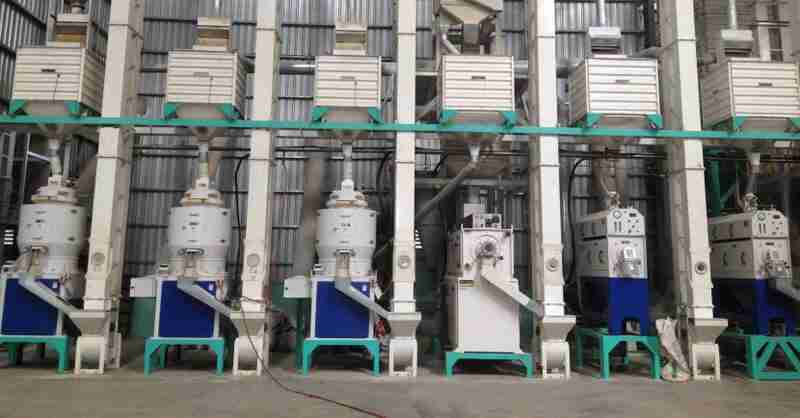
Understanding Rice Mill Technologies and Their Impact on Quality
Rice milling technology is a crucial factor that determines the quality of the final product. Modern rice mills utilize a variety of advanced techniques that enhance not only the yield but also the nutritional value and taste of rice. Some common technologies include paddy separation, hulling, whitening, and polishing. Each of these processes plays a role in ensuring that the rice meets the highest standards. For example, efficient hulling methods minimize the breakage of grains, while state-of-the-art whitening machines ensure a uniform appearance while retaining essential nutrients.
In addition to these processes, it is important to consider the role of machinery configuration and maintenance in rice mill quality. Mills equipped with automated systems tend to achieve better consistency and lower contamination risks. They also require less manual intervention, decreasing the potential for human error in the milling process. Below is a brief comparison of traditional vs. modern milling technologies:
| Aspect | Traditional Milling | Modern Milling |
|---|---|---|
| Efficiency | Lower yield | Higher yield |
| Quality Retention | Inconsistent | Consistent and high quality |
| Automation | Manual control | Automated systems |

Evaluating the Key Features of Top Rice Mills
When delving into the realm of rice mills, several key features stand out that can help you determine quality and efficiency. Production capacity is paramount, as it directly influences how much rice can be processed within a set timeframe. A mill with higher capacity typically indicates advanced machinery and technology, enabling consistent output. Quality control mechanisms are also essential; look for mills that have robust inspection processes to ensure only the finest grains reach consumers. The types of rice processed—including long grain, short grain, and specialty rice varieties—should align with market demands and your personal preferences.
Furthermore, energy efficiency plays a vital role in the sustainability of rice mills. Advanced mills often implement technologies that reduce energy consumption while maximizing output. Compounding this is the significance of customer service and support, which reflects a mill’s commitment to its clientele. Establishing a relationship with a mill that prioritizes customer satisfaction can enhance your overall experience. Below is a comparison table highlighting some key features of leading rice mills to consider:
| Mill Name | Production Capacity (Tonnes/Day) | Quality Control | Energy Efficiency |
|---|---|---|---|
| Golden Harvest | 50 | Automated Inspection | High |
| Pure Grain | 75 | Manual & Automated | Moderate |
| EcoRice Mills | 40 | Full Traceability | Very High |
Sustainable Practices in Rice Milling: Why They Matter
In the quest for quality rice, the impact of sustainable practices in rice milling cannot be overstated. By prioritizing environmentally friendly methods, mills not only enhance the integrity of their products but also contribute positively to the broader community and ecosystem. Sustainable rice milling processes often include the use of renewable energy sources, such as solar or wind power, which significantly reduce carbon emissions. Additionally, the integration of water-saving technologies helps conserve this precious resource during the milling process. Benefits of sustainable practices include:
- Improved Product Quality: Sustainable methods often lead to better tasting and healthier rice.
- Community Health: Reducing pollutants ensures a cleaner environment for local populations.
- Cost Savings: Efficient resource usage can lower operational costs in the long run.
Moreover, modern rice mills are increasingly adopting waste management strategies that utilize by-products from milling, such as rice husks and bran. These by-products can be transformed into valuable materials for bioenergy or animal feed, further closing the loop on waste. Sustainable rice milling practices not only benefit the mills and consumers but also strengthen the entire agricultural supply chain. Understanding the relevance of these practices helps buyers make informed decisions when selecting rice mills. A simple comparison table can highlight the sustainability benefits offered by various mills:
| Milling Facility | Renewable Energy Use | Water Conservation Practices | Waste Utilization |
|---|---|---|---|
| Mill A | Solar Panels | Water Recycling Systems | Husk into Biofuel |
| Mill B | Wind Energy | Low-Flow Water Meters | Pelleted Animal Feed |
| Mill C | Biomass Energy | Rainwater Harvesting | Composting Rice Bran |
Recommended Rice Mills: A Curated Selection for Quality and Reliability
When it comes to selecting the right rice mill, quality and reliability are paramount. Here are some distinguished mills known for their exceptional performance in grain processing:
- XYZ Rice Mill – Renowned for its advanced milling technology, it ensures maximum yield and minimal broken grains, making it a top choice for many distributors.
- ABC Agro Industries – This mill is celebrated for its commitment to sustainability, utilizing eco-friendly practices and energy-efficient machinery.
- Gold Star Rice Mills – A favorite among local farmers, they specialize in maintaining the integrity and flavor of the rice through careful handling.
These mills not only prioritize efficient processing but also uphold stringent quality control measures. Below is a brief comparison table highlighting key features:
| Mill Name | Technology Used | Specialization |
|---|---|---|
| XYZ Rice Mill | High Precision Milling | Premium Quality Grains |
| ABC Agro Industries | Eco-Friendly Efficient | Sustainable Practices |
| Gold Star Rice Mills | Traditional Methods | Flavor Preservation |
In this evolving industry, choosing a reliable partner is crucial for ensuring top-notch rice products. Investing in a quality mill can significantly impact both taste and profitability, creating a valuable resource for farmers and consumers alike.
To Conclude
As we conclude our journey through the world of rice mills, we hope this guide has illuminated the path toward selecting the finest facilities for your needs. Whether you’re a discerning chef, a dedicated home cook, or an entrepreneur in the rice trade, understanding the nuances of quality milling can enhance not just your dishes, but also the livelihoods of countless farmers and communities.
From innovative technology to sustainable practices, the best rice mills combine tradition with modernity, ensuring that each grain retains its essence and flavor. As you embark on your search, remember that knowledge is your greatest ally. By prioritizing quality, transparency, and ethical production, you are not just choosing rice; you are investing in a future that honors the rich history of this staple food.
Thank you for joining us on this exploration. May your selections be as fulfilling as the meals you create, and may each bite celebrate the dedication of those who bring rice from field to table. Happy milling!



