
In a world where food security and nutrition are paramount, the processing of raw grain into consumable staples plays a pivotal role. Among these grains, rice stands out as a dietary cornerstone for billions of people globally. The journey from paddy to plate is not merely a transaction of logistics; it is a complex transformation that hinges on the effectiveness of rice processing equipment. In this article, we will delve into the essential machinery that facilitates this metamorphosis – from cleaning and hulling to milling and packaging. Each piece of equipment serves a unique function, ensuring that the rice not only retains its nutritional quality but also meets the demands of consumers. Join us as we explore the technology and innovation that underpin this vital industry, shaping the future of rice processing and, ultimately, the nourishment of countless communities worldwide.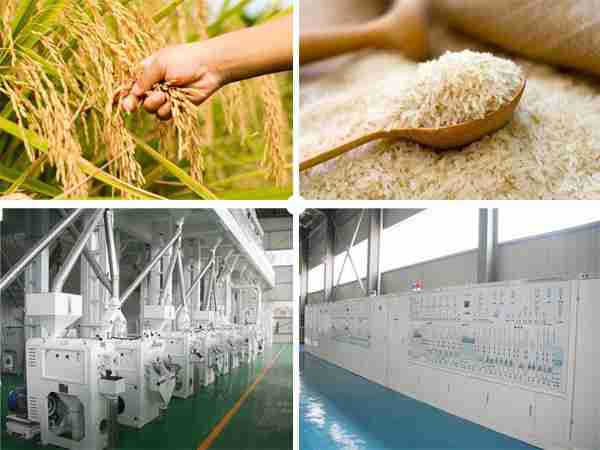
Understanding the Stages of Rice Processing and Their Equipment Requirements
When it comes to rice processing, understanding the various stages is crucial for maximizing both efficiency and quality. The journey begins with paddy harvesting, where the freshly cut rice plants are collected. Following this, the paddy undergoes threshing, a critical step that separates the grains from the stalks. Specialized equipment like a threshing machine or combine harvester is employed to expedite this process. Once the grains are separated, they are then subjected to drying to reduce moisture content, an essential step that prevents spoilage. Here, grain dryers play a vital role, utilizing controlled heat and airflow to ensure uniform drying without damaging the kernels.
Moving forward, the next phase involves milling, where the dried paddy is hulled to remove the outer husk. This stage necessitates the use of a hulling machine, which effectively separates the husk from the edible grain. Post-hulling, the rice undergoes polishing, enhancing its appearance and removal of any remaining bran. For this purpose, a polisher is utilized, ensuring that the rice meets market standards. equipment like sifters and sorters are essential for grading and packaging the polished rice, making it ready for distribution. The comprehensive understanding of this intricate process, from harvesting to packaging, emphasizes the importance of specific machinery tailored to each stage for optimal results.
| Processing Stage | Equipment Required |
|---|---|
| Harvesting | Combine Harvester |
| Threshing | Threshing Machine |
| Drying | Grain Dryer |
| Milling | Hulling Machine |
| Polishing | Polisher |
| Grading & Packaging | Sifters & Sorters |
Key Machinery for Efficient Milling and Polishing of Rice Grains
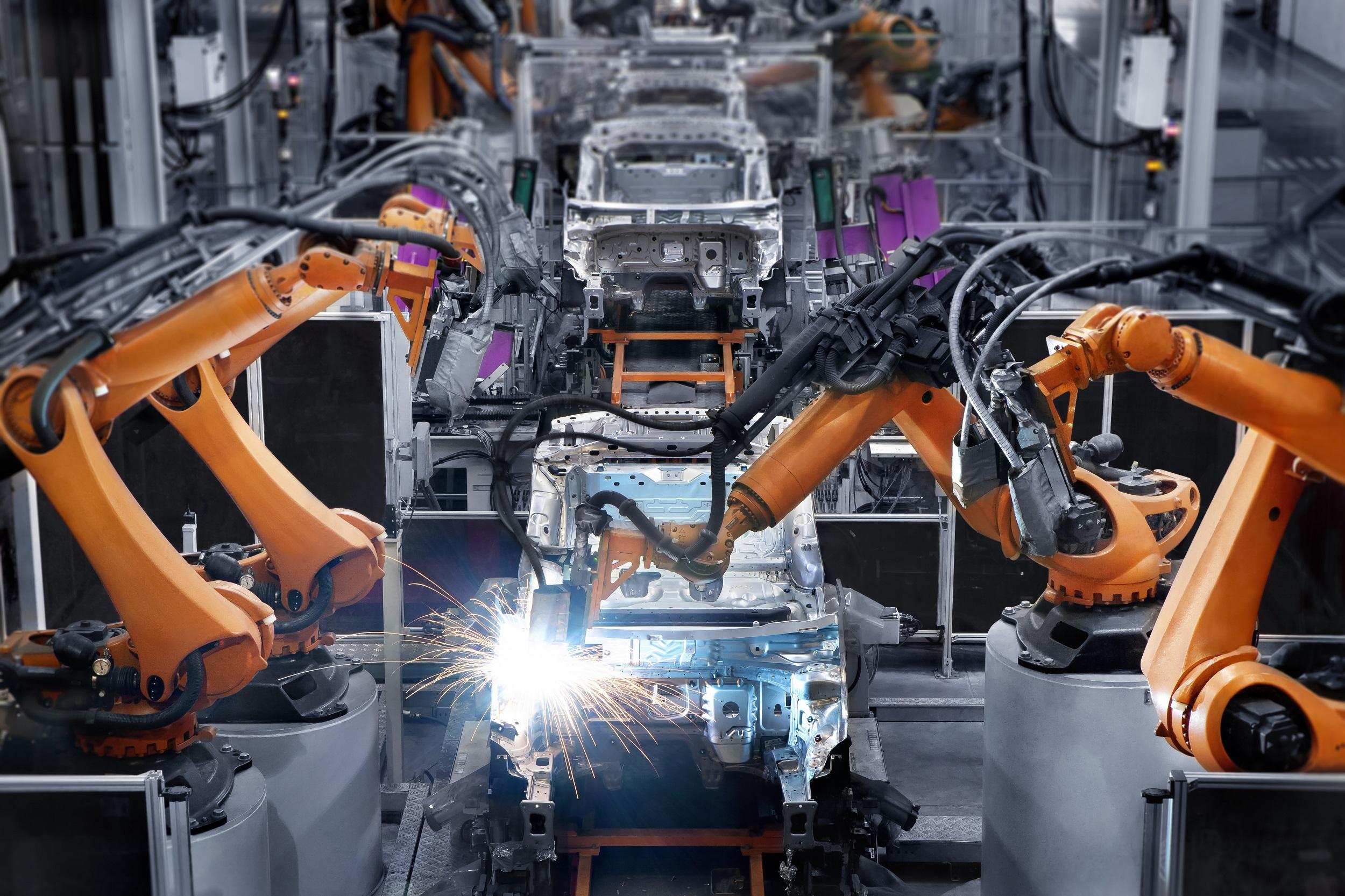
The milling and polishing stages of rice processing are vital to enhancing both the aesthetic appeal and the edibility of the final product. To achieve optimal results, manufacturers rely on a range of specialized machinery designed for efficiency and precision. Rice huller machines perform the initial de-husking, separating the outer husk from the grain. This is followed by rice milling machines, which further refine the grains by removing bran layers, producing white rice. The integration of advanced features such as adjustable grinding plates and automated settings ensures consistent outcomes while maintaining the nutritional profile of the rice.
Polishing machinery plays a crucial role in the final presentation of rice. Polishers provide a finish that enhances luster and removes excess bran. Alongside them, air classifiers allow for the separation of impurities and broken grains, ensuring that only high-quality rice reaches consumers. Other essential machines, such as sifters and separators, are employed to remove foreign elements and classify rice by size. Collectively, these machines form an interconnected system that optimizes the processing flow, reducing waste and maximizing yield. Key machinery not only elevates product quality but also aligns with sustainability goals through efficient resource utilization.
Innovations in Rice Drying Systems for Optimal Quality Preservation
Advancements in rice drying technology have revolutionized the post-harvest landscape, allowing for significant enhancements in grain quality and shelf life. Traditional methods frequently lead to inconsistent moisture levels, resulting in diminished flavor, texture, and overall quality. However, innovations such as temperature-controlled drying systems and solar-assisted dryers are emerging as effective solutions. These systems ensure uniform drying by carefully regulating air temperature and humidity, thus mitigating the risk of spoilage and maintaining the integrity of the grains. Not only do these technologies enhance quality, but they also promote energy efficiency, aligning with sustainable practices that are becoming essential in agricultural processes.
Moreover, the integration of smart technology in drying systems is setting new standards in precision and monitoring. Many modern units come equipped with IoT sensors that continuously track moisture content and environmental conditions, allowing producers to make real-time adjustments. This data-driven approach not only improves the drying process but also minimizes waste, as operators can accurately determine the optimal drying time. Investing in these advanced rice drying systems ensures that every grain retains its quality, flavor, and nutritional value, ultimately enhancing the end-user experience.
Essential Considerations for Choosing the Right Rice Processing Equipment
When selecting equipment for rice processing, it is crucial to evaluate several key factors that can significantly impact efficiency and output quality. Capacity should be tailored to match your production needs—consider both peak and average processing volumes. Additionally, power consumption plays a vital role in operational costs, with energy-efficient machines offering long-term savings. Don’t overlook the versatility of the equipment; machines that can handle various grain types or offer multiple processing functions may provide added value by reducing the need for separate units.
Another important aspect is maintenance and support. Look for manufacturers that offer robust customer service, as accessibility to spare parts or technical assistance is vital for minimizing downtime. Technology integration is also worth considering; modern equipment often incorporates advanced features such as automation and digital monitoring, which can enhance productivity and ensure consistent quality. Lastly, always pay attention to safety features—ensuring the equipment meets industry standards protects both your workers and your investment.
| Consideration | Importance |
|---|---|
| Capacity | Aligns production capability with demand |
| Power Consumption | Affects operational cost efficiency |
| Versatility | Reduces capital investment in separate units |
| Maintenance Support | Ensures smooth operations and minimal downtime |
| Technology Integration | Boosts productivity and quality control |
| Safety Features | Protects both staff and equipment integrity |
Final Thoughts
the journey of raw grain to a finished product is a remarkable interplay of nature and technology, where each piece of equipment plays a vital role in ensuring that rice is processed efficiently and sustainably. From milling and dehusking machines to sorting and packaging systems, every element of rice processing equipment contributes to the overall quality and consistency that consumers expect. As the demand for high-quality rice continues to grow, embracing advanced processing technologies will be essential for producers aiming to stay competitive in an ever-evolving market. By investing in the right equipment and processes, stakeholders can not only enhance their operational efficiency but also support sustainable practices that benefit farmers, communities, and the environment. As we move forward, let the innovations in rice processing equipment serve as a testament to the agricultural industry’s commitment to quality and sustainability—transforming not just grains, but the future of food.



