
Unlocking Potential: The Significance of Rice Milling Units
In the heart of rural landscapes, where golden fields sway gently in the breeze, lies a vital link in the agricultural chain – the rice milling unit. Often overlooked, these units serve as the bridge between the farmer’s harvest and the consumer’s plate, transforming raw paddy into the polished grains that nourish millions. As food security becomes a pressing global challenge, understanding the role of rice milling units takes center stage. They are not just mere processing facilities; they embody innovation, economic empowerment, and sustainability. In this article, we delve into the significance of rice milling units, exploring how they unlock potential at every step, from enhancing the quality of rice to providing livelihoods to countless families. Join us on this journey as we uncover the multifaceted impact of these essential hubs in the rice supply chain.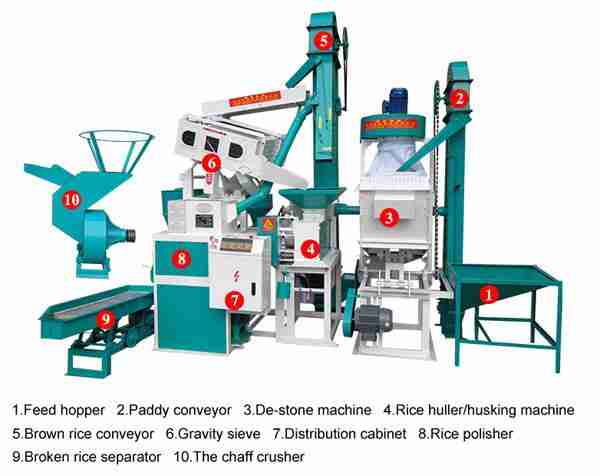
Exploring the Role of Rice Milling Units in Agricultural Development
The integration of rice milling units into agricultural systems serves as a catalyst for enhancing food security and boosting local economies. By transforming harvested paddy into market-ready rice, these units create not just a value-added product but also stimulate local employment opportunities. Milling units serve various critical functions that contribute to the overall efficacy of agricultural development, such as:
- Improving Access to Quality Grain: Processing rice minimizes post-harvest losses and ensures consumers receive high-quality food products.
- Enhancing Income for Farmers: By providing farmers with direct access to processing, they can capture a larger share of the value chain.
- Encouraging Technological Adoption: The presence of milling units often leads to the introduction of modern technologies that improve production efficiency.
Moreover, the socio-economic impact of rice milling units extends beyond mere economic transactions. They play a critical role in fostering community cohesion by promoting local partnerships and encouraging cooperative farming initiatives. The presence of these units can facilitate knowledge sharing among farmers leading to better cultivation practices. To illustrate the potential benefits further, consider the following table that outlines various advantages associated with rice milling units:
| Advantages | Impact |
|---|---|
| Job Creation | Boosts local employment rates |
| Quality Control | Ensures better food safety standards |
| Market Accessibility | Paves the way for exports and larger markets |
Enhancing Product Quality and Market Competitiveness through Modern Milling Techniques
In the realm of rice production, the adoption of modern milling techniques significantly elevates product quality while enhancing market competitiveness. By implementing advanced machinery and precise processing methods, rice milling units can effectively reduce grain breakage and preserve essential nutrients, leading to superior end products. Such technological advancements allow producers to maintain consistent quality standards that cater to diverse consumer preferences, thus fostering brand loyalty and trust among buyers.
Additionally, the integration of automation in milling processes streamlines operations, which translates to improved efficiency and reduced production costs. For instance, automated sorting and quality control systems can minimize human error and accelerate processing times. As a result, rice milling units can achieve higher output while maintaining a strong focus on quality. The following benefits illustrate how modern milling techniques contribute to a competitive edge:
- Enhanced Product Uniformity: Ensures grains are processed evenly, improving aesthetic appeal.
- Higher Nutritional Value: Retains essential vitamins and minerals during milling.
- Cost-Effectiveness: Reduces waste, lowering overall production expenses.
- Sustainability: Incorporates eco-friendly practices, aligning with consumer trends.
| Advancement | Benefit |
|---|---|
| Automated Machinery | Increased efficiency and reduced labor costs |
| Precision Milling | Higher quality rice with fewer broken grains |
| Quality Control Systems | Consistent product standards to meet market expectations |
Sustainable Practices in Rice Milling: Balancing Efficiency and Environmental Impact
Rice milling is an intricate process that not only transforms paddy into consumable rice but also offers an opportunity to implement sustainable practices that can mitigate environmental impact. Efficient water usage is one of the critical aspects; innovative techniques such as closed-loop water systems can reduce waste and lower energy consumption. Additionally, adopting renewable energy sources like solar-powered milling units enhances sustainability by minimizing reliance on fossil fuels. Another promising practice includes the utilization of biomass from rice husks as an energy source, which can significantly lower the carbon footprint associated with traditional milling operations.
Moreover, waste management strategies are fundamental in ensuring a balance between productivity and environmental preservation. Establishing recycling programs for waste products can convert by-products into valuable resources, thus reducing landfill waste and promoting a circular economy. Implementing precision milling techniques can also enhance yield while minimizing broken rice, leading to better resource utilization. The integration of technology and data analytics can further optimize milling processes, ensuring that rice milling units not only meet efficiency targets but also adhere to the principles of environmental responsibility.
Empowering Local Economies: The Socioeconomic Benefits of Investing in Milling Infrastructure
Investing in milling infrastructure goes beyond merely enhancing productivity; it serves as a catalyst for economic growth in local communities. By establishing rice milling units, communities can significantly reduce post-harvest losses, ensuring that farmers receive a higher return on their investments. This sustains the livelihoods of local farmers and minimizes the reliance on external grain sources, contributing to food security. Furthermore, milling units generate employment opportunities, creating jobs directly within the facility and supporting ancillary services such as transportation and marketing. The creation of these local jobs helps stimulate further economic activity, as workers spend their earnings within the community, promoting a cycle of growth and stability.
Moreover, the establishment of milling infrastructure facilitates the development of local brands and products. When communities mill their rice, they can produce unique varieties tailored to local tastes, bolstering community pride and fostering a sense of ownership. This emphasis on local production can lead to vibrant markets that attract both local consumers and those from outside the region. As demand for these locally processed products increases, the economic ripple effect is felt across various sectors, such as retail, hospitality, and tourism. Ultimately, this transformation nurtures a sustainable ecosystem where communities capitalize on their unique agricultural heritage while fostering economic resilience.
| Benefits of Milling Infrastructure | Description |
|---|---|
| Reduced Post-Harvest Losses | Improves efficiency in processing, ensuring farmers maximize profits. |
| Employment Generation | Creates jobs directly in milling and indirectly in local supply chains. |
| Local Brand Development | Encourages the production of unique rice varieties, boosting local identity. |
| Enhanced Food Security | Reduces reliance on imports, ensuring continuous availability of staple foods. |
In Retrospect
As we draw the curtains on our exploration of rice milling units, it becomes evident that these seemingly unassuming facilities serve as the bedrock for broader agricultural success. Beyond their mechanical operations, rice milling units embody a crucial intersection of tradition and innovation, where age-old practices meet modern technology.
By unlocking the potential of raw rice, these units not only enhance the quality and nutritional value of one of the world’s primary staples but also empower local economies, create job opportunities, and promote sustainable agricultural practices. The ripple effects of efficiency in milling resonate far beyond the confines of these facilities, impacting food security, rural development, and global trade dynamics.
In a world that increasingly needs to reconcile food production with environmental stewardship, understanding and investing in rice milling units might just be one of the keys to cultivating a resilient future. As we look ahead, it is clear that the path towards sustainable development in agriculture is paved with such innovations — one grain of rice at a time. The journey of unlocking potential continues, and the story of rice milling units is just one chapter in a larger narrative that weaves together culture, economy, and sustainability.



