
The Art of Grain: Exploring the Rice Milling Machine’s Role
In the heart of agricultural traditions and culinary delights lies a humble grain that has nourished civilizations for centuries: rice. From the verdant terraces of Asia to the fields of the Americas, rice serves as a staple food, embodying the intertwined narratives of culture, economy, and sustenance. Yet, the journey from paddy to plate is often overlooked, particularly the intricate process that transforms rough, unrefined grains into the polished pearls we know and love. Central to this transformation is the rice milling machine—a marvel of engineering that harmonizes technology and tradition. In this exploration, we delve into the fascinating world of rice milling, unveiling the machine’s vital role in preserving quality, enhancing flavor, and supporting the livelihoods of farmers around the globe. Join us as we engage with the artistry behind the grain, where innovation meets age-old practices in a dance of efficiency and reverence for nature’s bounty.
The Intricate Journey of Grain from Field to Table
The transformation of raw rice into the fluffy grains we savor on our plates begins with a vital component: the rice milling machine. This precision-engineered piece of machinery performs a delicate dance, refining the rice and elevating it from its humble beginnings. Crucial steps are taken within the confines of this machine to separate the rice grains from their protective husks, revealing the edible white or brown rice inside. The process is not merely about mechanical efficiency; it also preserves the grain’s nutritional value while enhancing its appeal for consumers. The combination of hulling, milling, and polishing ensures that every kernel is a testament to care and quality, setting the stage for culinary delights across the globe.
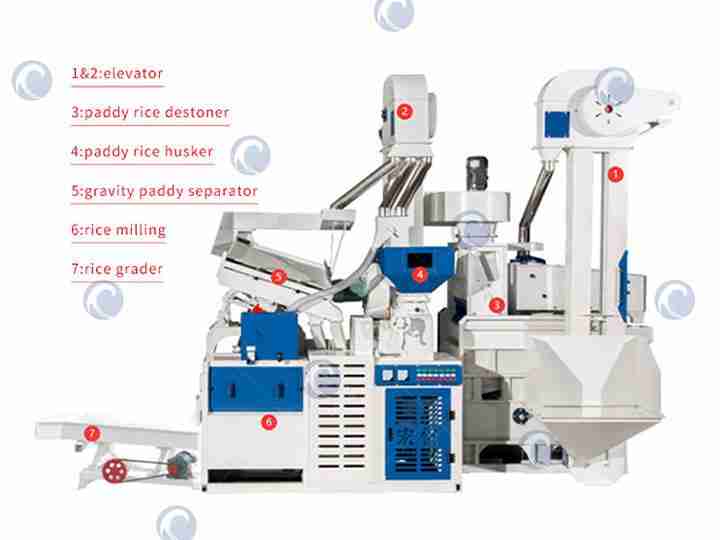
Each rice milling machine is equipped with various components that work in unison to guarantee a harmonious end product. Understanding this machinery reveals a world of innovation and craftsmanship. The primary elements include:
- Dehusker: Removes the hard outer husk.
- Whitener: Polishes the grains for a bright appearance.
- Separator: Sorts the rice by size and quality.
- Grading machine: Ensures uniformity in final output.
The diverse roles played by each part of the milling machine echo the crucial teamwork required on the farm and beyond. This seamless integration not only bolsters local economies but also emphasizes sustainability throughout the supply chain. Below is a brief overview of the milling process:
| Stage | Description | Duration |
|---|---|---|
| Harvesting | Gathering ripe rice from the fields. | 1-3 days |
| Drying | Reducing moisture content for storage. | 1-2 days |
| Milling | Processing grains to remove husks. | 2-4 hours |
| Packaging | Preparing rice for market distribution. | 1 day |
Understanding the Mechanics of Rice Milling Machines
The transformation of paddy into the perfectly polished rice we enjoy daily is a fascinating journey that largely depends on the efficiency of rice milling machines. These machines operate through a series of intricate processes designed to separate the husk and bran from the grain. Typically, the milling process begins with a pre-cleaning stage, where impurities such as dust and straw are removed. This is followed by hulling, which involves breaking the outer husk, making use of a friction mechanism typically powered by an electric motor or diesel engine. This stage sets the foundation for what happens next—milling and polishing, where the remaining layers of bran are eliminated, producing white rice that is not just visually appealing but also ready for cooking.
Understanding the components involved in these machines enhances our appreciation for this agricultural marvel. Key parts of the typical rice milling machine include:
- Huller: Essential for removing the husk.
- Milling Chamber: Where the actual milling takes place.
- Polisher: Gives the rice its shiny finish by removing the bran layer.
- Separator: Helps separate the finished product from any remaining unhulled grains.
These elements work synergistically, ensuring that the grains are milled efficiently and sustainably. The overall design of the milling machine not only impacts the quality of rice produced but also influences factors such as yield and cost-effectiveness, making ongoing innovation in this field ever so critical.
Enhancing Quality and Efficiency: Best Practices in Milling
In the journey of transforming raw rice into a delicious staple, the milling process holds paramount importance. To optimize both quality and efficiency, operators must focus on a variety of best practices that ensure the rice is milled effectively while preserving its nutritional value. One essential aspect is the correct adjustment of the milling equipment, where the rice milling machine should be regularly calibrated to match the specific variety and moisture content of the rice. Implementing a routine maintenance schedule not only extends the machinery’s lifespan but also enhances performance, leading to reduced waste and greater yield. Other considerations include:
- Proper cleaning of machines to prevent contamination.
- Regular monitoring of milling conditions, including temperature and humidity.
- Experimentation with milling times to discover the optimal processing duration.
Integrating modern technology into the milling process can further enhance both quality and efficiency. Automation systems can help streamline operations, providing real-time data on moisture, temperature, and product quality. Adopting techniques like multi-pass milling can greatly improve the finished product, yielding rice that is not only visually appealing but also maintains its flavor and nutrients. Here’s a simple breakdown of the benefits of different milling practices:
| Milling Technique | Benefits |
|---|---|
| Single-pass milling | Faster processing time, lower energy consumption. |
| Multi-pass milling | Higher quality rice, better removal of bran and impurities. |
| Automated systems | Consistency in quality, reduced manual errors. |
Sustainable Innovations in Rice Milling Technology
As the demand for sustainable agricultural practices grows, the rice milling industry is undergoing a transformative revolution. Modern rice milling machines are now designed to be both energy-efficient and environmentally friendly. These innovations not only enhance the quality of milled rice but also minimize waste and reduce energy consumption. Key advancements include:
- Energy-efficient motors: These consume less power while maintaining high processing speeds.
- Water recycling systems: These allow for the reuse of water in the milling process, significantly lowering overall water usage.
- Zero-waste technology: Some mills are now equipped to convert byproducts into useful materials such as animal feed or biofuel.
Moreover, smart technology integration plays a crucial role in optimizing rice milling operations. By employing sensors and IoT technology, mills can track efficiency in real-time and adjust processes accordingly to enhance production while reducing costs. Some notable features include:
| Smart Feature | Benefit |
|---|---|
| Automated Quality Control | Ensures consistent product quality and reduces manual intervention. |
| Predictive Maintenance | Minimizes downtime by anticipating equipment failures before they occur. |
| Data Analytics | Provides insights into operational efficiency, helping to identify areas for improvement. |
Final Thoughts
As we draw the curtain on our exploration of the rice milling machine and its pivotal role in the grain processing landscape, it’s clear that this intricate piece of engineering is more than a mere tool; it is a vital catalyst for agricultural transformation. The rice milling machine embodies a delicate balance of tradition and technology, skillfully converting raw rice into a staple that sustains billions worldwide.
Through our journey, we have witnessed how the art of grain not only nourishes our bodies but also cultivates livelihoods, stimulates economies, and connects cultures. As we embrace the future of food production, understanding the intricacies of rice milling is essential for appreciating the journey from field to table.
In a world where the global population continues to rise, the efficiency and innovation embedded in these machines will play an indispensable role in ensuring food security and sustainability. Thus, as we reflect on the dance of mechanics and nature that occurs within the milling process, let us acknowledge the silent yet profound legacy of the rice milling machine — a true testament to the harmony between human ingenuity and the earth’s resources.



