
In an ever-evolving agricultural landscape, the quest for efficiency and innovation remains a pivotal pursuit for producers worldwide. Among the various advancements transforming this sector, combined rice mills have emerged as a beacon of progress, fusing traditional practices with modern technology. These multifaceted facilities promise not only to streamline the milling process but also to optimize resource use, reduce waste, and enhance product quality. As rice continues to be a dietary staple for billions, the importance of maximizing this grain’s potential cannot be overstated. This article delves into the mechanics of combined rice mills, examining their operational efficiencies, the innovations driving their development, and their role in shaping the future of rice production. Join us as we explore how these integrated systems are redefining an age-old industry, paving the way for sustainable practices and greater food security.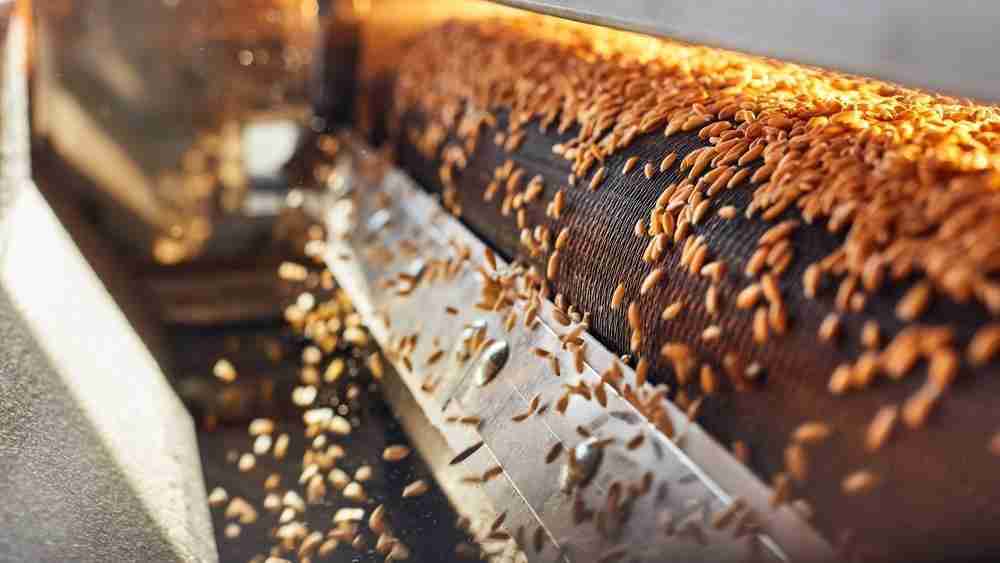
Revolutionizing Grain Processing through Technological Synergy
In the realm of modern agriculture, the amalgamation of cutting-edge technologies and traditional practices has led to significant advancements in grain processing. The integration of automated systems with human expertise ensures precision and efficiency, dramatically enhancing output levels. This paradigm shift is epitomized in the development of combined rice mills, which utilize multi-functional machinery to streamline operations. Such systems are designed to:
- Optimize Efficiency: By consolidating multiple processes—such as hulling, milling, and packaging—into a single operation, these mills significantly reduce processing time.
- Minimize Waste: Advanced sensors and AI algorithms ensure that every grain is utilized effectively, reducing material losses during processing.
- Enhance Quality: Real-time monitoring technology maintains optimal conditions, ensuring a high-quality end product with minimal spoilage.
The strategic use of data analytics further empowers mill operators to make informed decisions, enhancing productivity and profitability. To visualize the transformative impact of these technologies, consider the comparison of traditional vs. combined rice mills:
| Feature | Traditional Rice Mills | Combined Rice Mills |
|---|---|---|
| Processing Time | Longer | Shorter |
| Labor Required | Higher | Lower |
| Waste Production | Higher | Lower |
| Output Quality | Variable | Consistent |
Maximizing Output and Reducing Waste in Combined Milling Operations
In the realm of combined milling operations, maximizing output while minimizing waste requires an intricate balance of innovative technology and strategic processes. By integrating advanced machinery, mills can streamline their workflow to significantly boost productivity. Employing automated systems enables real-time monitoring and adjustment of milling parameters, which helps in achieving optimal yields. Key strategies to enhance efficiency include:
- Implementing state-of-the-art milling equipment
- Utilizing data analytics for precision in operations
- Training staff on best practices for machinery operation
Moreover, waste reduction is pivotal in ensuring sustainable operations. By employing closed-loop systems, mills can recirculate byproducts and waste, such as husk and bran, back into the production process or repurpose them for other uses. Recognizing the value of every grain, mills can explore avenues for creating additional revenue streams, such as:
- Producing bioenergy from husk residues
- Offering bran as a health supplement in food products
- Utilizing dust and small particles for animal feed
| Resource | Utilization Method | Potential Impact |
|---|---|---|
| Rice Husk | Bioenergy production | Renewable energy source |
| Rice Bran | Health supplements | Increased market demand |
| Dust & Fine Particles | Animal feed | Cost-effective feed option |
Sustainable Practices in Rice Milling: Balancing Profitability and Environmental Stewardship
As the rice milling industry continues to evolve, the integration of sustainable practices is becoming increasingly essential. Minimizing waste, reducing energy consumption, and incorporating eco-friendly technologies can pave the way for a more resilient future. By implementing strategies like water recycling systems, mills can significantly lessen their environmental impact while optimizing resource use. In addition, utilizing by-products such as husks and bran for bioenergy production not only reduces waste but also provides supplementary income streams that enhance profitability.
Investing in innovations such as solar energy systems and advanced milling technologies can lead to enhanced efficiency and reduced carbon footprints. Mills that adopt low-emission machinery and clean energy solutions are not only adhering to environmental standards but also reaping financial rewards through lowered operational costs. To illustrate the potential for sustainable practice integration, the table below summarizes key benefits of such innovations:
| Innovation | Benefit |
|---|---|
| Water Recycling Systems | Reduces water usage by 60% |
| Solar Energy | Cuts energy costs by up to 40% |
| Efficient Milling Equipment | Improves yield by 15% |
| Bioenergy from By-products | Generates additional revenue stream |
Future Trends: Embracing Innovation for Enhanced Efficiency in Combined Rice Mills
The rice milling industry stands at the brink of transformation, driven by relentless innovation that promises to enhance operational efficiencies in combined rice mills. By integrating advanced technologies such as AI and IoT, these mills can improve their productivity and reduce waste significantly. Some promising innovations include:
- Automated Control Systems: Streamlining the milling process through real-time data monitoring to optimize output.
- Energy-efficient Equipment: Utilizing machinery that minimizes power consumption while boosting production rates.
- Smart Sensors: Implementing sensors that monitor humidity and temperature to ensure optimal storage conditions for raw rice.
Another compelling trend is the adoption of sustainable practices to respond to global demands for eco-friendly production methods. This includes the use of biodegradable packaging materials and circular economy principles to minimize waste. Additionally, collaborations between tech companies and agricultural experts foster innovations like:
- Mobile Applications: Empowering farmers with platforms for direct market access, improving both yield and price negotiations.
- Blockchain Technology: Enhancing traceability throughout the supply chain, ensuring each grain’s journey from field to table is transparent.
| Innovation | Benefit |
|---|---|
| AI-based Analytics | Improved decision-making and predictive maintenance |
| IoT Systems | Real-time data for enhanced tracking and monitoring |
| Sustainable Practices | Reduced environmental impact and cost savings |
To Wrap It Up
as we have traversed the intricate landscape of combined rice mills, it becomes evident that these innovative systems represent a significant leap forward in the agricultural industry. By melding efficiency with ingenuity, combined rice mills not only streamline production but also bolster sustainability, paving the way for a more resilient food supply chain. The advantages they offer—ranging from enhanced output quality to reduced labor costs—are not just beneficial for mill operators, but also resonate through the communities they serve, ensuring that rice remains a staple in diets around the globe. As we continue to seek solutions to meet the growing demands of an ever-evolving market, the ongoing evolution of combined rice mills stands as a testament to human creativity and the relentless pursuit of progress in the agricultural sector. With each advancement, we inch closer to a future where innovation and efficiency work hand in hand, turning challenges into opportunities and dreams into reality.



