
From Grain to Gourmet: The Journey of Paddy Processing
In the lush fields where golden grains sway gently in the breeze, a remarkable transformation is set in motion. Paddy, the humble rice plant that nourishes billions worldwide, embarks on a remarkable journey from its origins in verdant paddies to the gourmet dishes gracing our tables. This intricate process of paddy processing is not merely a series of mechanical stages; it is an art that intertwines tradition and innovation, labor and precision. As we delve into the stages of this fascinating journey, we will explore the meticulous care that goes into harvesting, milling, and refining paddy—each step pivotal in preserving its nutritional value and enhancing its culinary potential. Join us as we uncover the processes that elevate this staple grain, revealing how the simple act of transforming paddy can lead to a celebration of flavors and cultures around the world.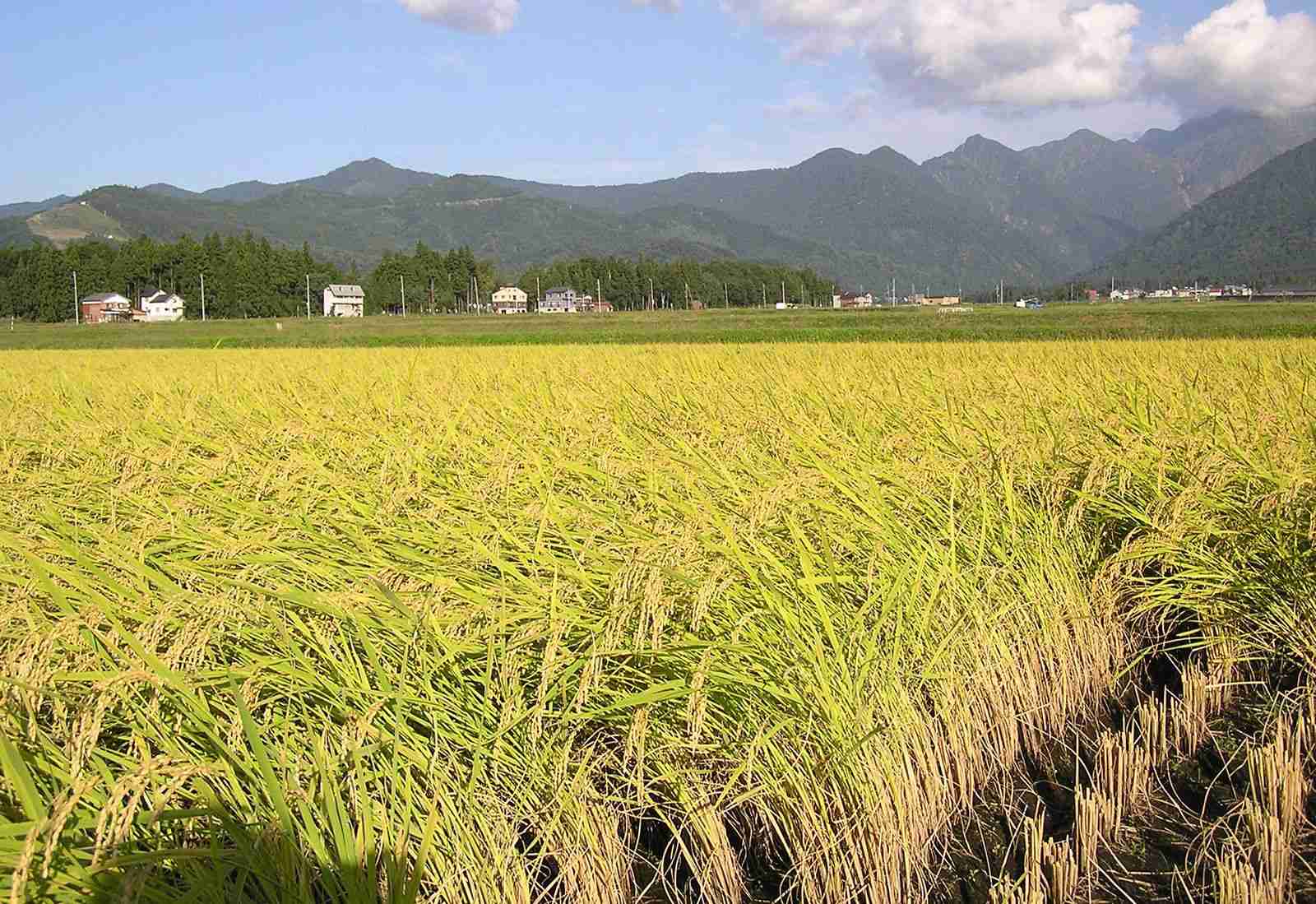
The Lifecycle of Paddy: From Field to Fork
The journey of paddy begins in lush, green fields where dedicated farmers nurture their crops under the watchful eye of nature. Paddy is typically planted in flooded fields, also known as paddies, to prevent weeds and provide an ideal growing environment. This process involves various stages, including:
- Preparation: Soil is tilled and nutrients are added to ensure optimal growing conditions.
- Sowing: Seeds are planted either by hand or using sowing machines, ensuring they are submerged in water to protect against pests.
- Harvesting: Once the rice grains mature and turn golden, they are harvested using specialized machinery or manual labor.
After harvesting, the grains go through a meticulous processing phase that transforms them into the staple we find on our tables. The post-harvest journey involves:
- Drying: Freshly harvested paddy is dried to reduce moisture content, ensuring its longevity.
- Milling: The dried grains undergo hulling to remove the outer husk, and then they are polished to enhance their appearance.
- Packaging: The processed rice is packaged for distribution, maintaining its freshness and quality for the end consumer.
| Stage | Process |
|---|---|
| Sowing | Planting seeds in flooded fields |
| Harvesting | Gathering ripe rice grains |
| Milling | Removing husk and polishing grains |
Innovative Techniques in Paddy Processing
Advancements in technology have significantly transformed traditional methods, making paddy processing more efficient and environmentally friendly. Modern processing techniques have embraced automation and smart systems to reduce waste and enhance quality. Among these innovations are precision milling techniques that allow for optimal extraction of rice while preserving nutritional value. The use of drying technology has also evolved, with systems like microwave and infrared drying that dramatically reduce moisture content quickly, minimizing the risk of spoilage and ensuring longer shelf life.
Another breakthrough in paddy processing is the implementation of bioprocessing techniques which utilize beneficial microorganisms to enhance the quality of rice. This method not only helps in breaking down contaminants but also enriches the grain with enhanced flavors and nutrients. Furthermore, many facilities are now incorporating comprehensive traceability systems in their processes, allowing consumers to trace their rice back to its source. This not only instills trust but also promotes sustainable farming practices, giving consumers a more profound connection to the food on their plates.
Transforming Raw Grains into Culinary Delights
The transformation of paddy into gourmet dishes is a captivating process that begins long before it graces your plate. Initially, farmers cultivate the rice in verdant fields, ensuring that each grain nurtures the environment while absorbing the sunshine and rains. Once harvested, the paddy must undergo several meticulous steps. These include:
- Drying: Reducing moisture content to prevent spoilage.
- Hulling: Removing the outer husk to reveal the brown rice.
- Milling: Polishing to produce white rice that we often recognize.
- Grading: Sorting based on quality to ensure the best grains are selected.
After these essential steps, the rice is ready to embark on its culinary adventure. Chefs and home cooks transform the simple grain into diverse and delightful dishes that reflect various cultural identities. Rice can be:
- Boiled: The classic preparation often served as a side dish.
- Stir-fried: Incorporated into vibrant fried rice recipes bursting with flavors.
- Steamed: A delicate technique that retains maximum nutrition and taste.
- Ground: Converted into rice flour for gluten-free baking and creating traditional treats.
| Culinary Use | Flavor Profile | Common Dishes |
|---|---|---|
| Boiled | Neutral | Plain Rice, Risotto |
| Stir-fried | Savory & Umami | Fried Rice, Nasi Goreng |
| Steamed | Subtle | Dim Sum, Sushi |
| Ground | Versatile | Rice Cakes, Gluten-free Bread |
Sustainable Practices for a Future-Forward Rice Industry
As the rice industry evolves, the integration of sustainable practices is crucial for meeting global demands while preserving the environment. Innovative farmers are now adopting regenerative agriculture techniques, which enhance soil health, reduce water usage, and lower carbon emissions. These practices include:
- Crop rotation to boost biodiversity and enhance nutrient availability.
- Cover cropping to prevent soil erosion and improve soil structure.
- Integrated pest management (IPM) to minimize chemical use and promote ecological balance.
Moreover, advancements in technology are paving the way for more efficient rice production. Precision agriculture tools enable farmers to monitor field conditions in real time, optimizing water and fertilizers usage. The use of drones and satellite imaging allows for a holistic view of crop health, leading to timely interventions. A recent survey of rice farms implementing these technologies showed remarkable results:
| Practice | Impact on Yield |
|---|---|
| Precision Irrigation | +15% Increase |
| Soil Health Monitoring | +10% Increase |
| IPM Techniques | +12% Increase |
By embracing these innovative approaches, the rice industry is not only enhancing productivity but also contributing to a more sustainable agricultural ecosystem that future generations can rely upon.
In Summary
As we conclude our exploration of the intricate journey from grain to gourmet, it’s clear that the transformation of paddy is not merely a process but a testament to human ingenuity and cultural heritage. Each stage of production—cultivation, harvesting, milling, and culinary innovation—reveals the dedication and artistry involved in bringing this humble grain to our tables.
Understanding this journey allows us to appreciate the profound connection between food and culture, and the pivotal role that paddy plays in countless cuisines around the world. By respecting the meticulous craft behind its processing, we open ourselves to a deeper enjoyment of every bite.
As you savor your next plate of rice, remember the rich history and hard work that has shaped it from a simple grain into a gourmet delight. In celebrating this journey, we honor not just the food itself but also the farmers, millers, and chefs whose collective efforts ensure that this cornerstone of our diets continues to nourish and inspire. The journey from grain to gourmet is not just a culinary passage; it’s an invitation to engage with the world around us in a more meaningful way. Thank you for joining us on this flavorful expedition.



