
Behind the Grains: The Intricacies of Modern Rice Milling
In the quiet hum of machinery, amidst the rhythmic sound of grains tumbling and processing, lies a story often overlooked—the journey of rice from humble fields to the vibrant plates that grace our dining tables. For centuries, rice has been more than just a staple food; it is a cultural icon, a symbol of sustenance and prosperity in many societies around the world. Yet, the intricate process of modern rice milling transforms this vital crop into the polished grains we recognize, demanding a blend of time-honored traditions and cutting-edge technology.
Peering behind the scenes of this essential industry reveals a complex interplay of science, engineering, and craftsmanship. From the meticulous harvesting of rice stalks to the precise adjustments of milling machines, every step is vital in ensuring quality and consistency. In this article, we delve deep into the world of rice milling, exploring the techniques that refine raw grains while preserving their nutritional integrity. Join us as we uncover the sophistication of modern milling practices and the dedicated individuals who work tirelessly to ensure that each grain is ready to nourish people and cultures across the globe.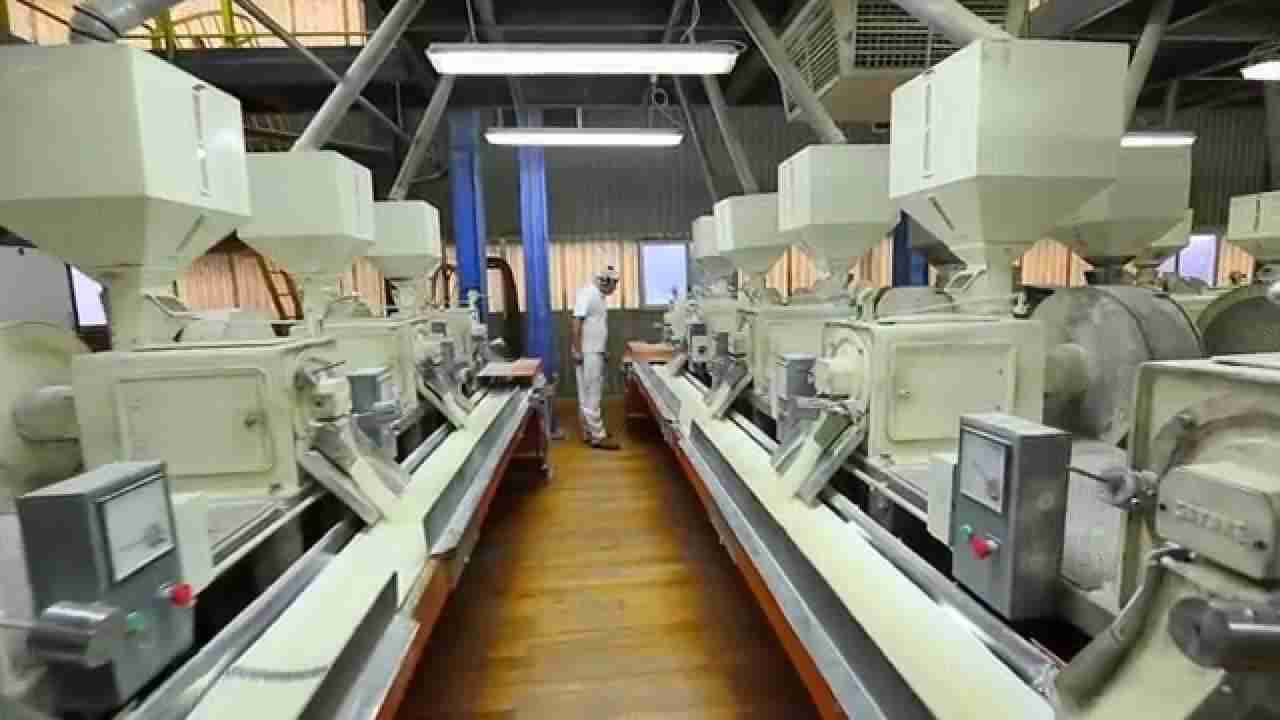
Exploring the Evolution of Rice Milling Technology
Throughout history, rice milling technology has undergone significant transformations, reflecting not only advancements in engineering but also the evolving needs of rice consumers worldwide. From the rudimentary mortar and pestle methods used by ancient civilizations to contemporary highly automated milling systems, this evolution has been characterized by a drive for efficiency, quality, and sustainability. The introduction of water-powered mills in the Middle Ages marked a watershed moment, allowing for greater processing volume and precision. Subsequently, the advent of steam power in the 19th century propelled the industry forward, enabling higher production rates and the ability to refine rice to a level of purity previously unattainable.
As we delve deeper into the modern era, the integration of technology has sprouted a new era of rice milling methods. Today’s mills are equipped with advanced features such as digital control systems, laser sorting technology, and automated logistics, which have vastly improved both yield and grain quality. The shift towards automation also emphasizes less human intervention, thereby reducing the scope for error and increasing production speed. Key advancements include:
- Biomass energy utilization: Reducing carbon footprints while powering operations
- Water conservation techniques: Ensuring sustainable resource management during the milling process
- Smart analytics: Leveraging data to optimize milling performance
To better understand the impact of these innovations, examine the following table comparing traditional and modern milling processes:
| Aspect | Traditional Milling | Modern Milling |
|---|---|---|
| Efficiency | Low | High |
| Quality Control | Manual | Automated |
| Environmental Impact | Higher | Lower |

Unpacking the Environmental Impact of Rice Processing
The rice processing industry, while crucial for food security and global economies, carries with it a significant environmental footprint that warrants examination. Every stage of milling—from the threshing of paddy to the final polishing—consumes resources and generates waste. One of the most pressing concerns is the use of water, as rice cultivation is already a water-intensive endeavor. After harvesting, the processing facilities often rely on substantial amounts of water for cleaning and parboiling, leading to potential water scarcity issues in regions where rice is predominantly grown. Furthermore, the discharge of wastewater can contaminate local water sources with organic matter and chemicals, posing risks to both human health and aquatic ecosystems.
Beyond water usage, rice milling operations contribute to greenhouse gas emissions, particularly from the energy consumed during processing. This includes reliance on fossil fuels for machinery and transport, which can exacerbate climate change. Additionally, the by-products of rice milling—such as husks and bran—can either go to waste or be underutilized, resulting in lost opportunities for recycling or energy recovery. Addressing these impacts requires innovative approaches, such as adopting cleaner production technologies and implementing waste management practices that not only minimize environmental harm but also enhance the sustainability of rice processing. Consider the following potential strategies:
- Water recycling systems to minimize fresh water usage.
- Biogas production from rice husks and bran for renewable energy.
- Zero waste policies that promote full utilization of all by-products.
| Impact Factor | Environmental Consequence |
|---|---|
| Water Use | Depletion of local water resources |
| Greenhouse Gases | Contribution to climate change |
| Waste Generation | Soil and water contamination |
Optimizing Quality: Best Practices in Modern Rice Milling
In the quest for superior rice quality, several best practices have emerged that enhance both productivity and the final grain characteristics. First and foremost, investing in state-of-the-art milling technology plays a crucial role. Machines equipped with advanced sensors can detect imperfections and adjust their operations in real-time, ensuring that only the best grains proceed to the next stage. Furthermore, meticulous attention to cleanliness and maintenance of equipment not only prolongs the life of the milling machinery but also prevents contamination that can adversely affect rice quality. Regular training of staff on these technologies is also vital, fostering a culture of continuous improvement and vigilance.
Additionally, the choice of raw material significantly influences the final product. Selecting high-quality paddy and understanding the specific requirements of different rice varieties can lead to better yields and texture. Key aspects include understanding moisture content, which should ideally be maintained between 14-15% before milling. To illustrate this further, the table below summarizes optimal practices associated with paddy preparation:
| Practice | Importance | Recommended Action |
|---|---|---|
| Moisture Control | Prevents spoilage | Maintain at 14-15% |
| Sorting | Enhances quality | Remove damaged grains |
| Proper Storage | Preserves freshness | Use airtight containers |
Through these practices, rice producers can ensure the delivery of high-quality grains that meet consumer expectations while maximizing their operational efficiency. Embracing innovation and refining traditional methods creates an ecosystem where quality flourishes, meeting the demands of both local and global markets.
Navigating Economic Challenges in the Rice Supply Chain
As the global demand for rice continues to rise, the economic landscape surrounding its supply chain presents numerous challenges. Factors such as fluctuating market prices, weather uncertainties, and geopolitical tensions can significantly affect the cost and availability of essential resources. To effectively navigate these complexities, stakeholders must focus on strategic planning, diversifying sourcing options, and leveraging technological advancements. Key strategies include:
- Building resilient partnerships with multiple suppliers to mitigate risks associated with single-source dependency.
- Investing in innovative technology for crop monitoring and yield enhancement, which can help stabilize production levels.
- Enhancing logistics through improved transportation and storage solutions to reduce post-harvest losses and ensure timely delivery.
Furthermore, understanding consumer behavior is essential in adapting to market shifts. As preferences change, millers must stay ahead of the curve by not only providing quality grains but also by offering value-added products that appeal to health-conscious buyers. To illustrate, the following table highlights some emerging trends in the rice sector that reflect changing consumer demands:
| Trend | Consumer Focus |
|---|---|
| Organic Rice | Health and wellness |
| Fortified Rice | Nutritional enhancement |
| Pre-cooked Rice | Convenience |
| Specialty Rice Varieties | Gourmet experiences |
Closing Remarks
As we conclude our exploration into the intricate world of rice milling, it becomes clear that this essential process is far more than just a means to produce a staple grain. Behind each grain of rice lies a complex interplay of technology, tradition, and innovation, each contributing to the journey from paddy to table.
The modern rice milling industry showcases the delicate balance between efficiency and quality, a commitment to sustainability, and the relentless pursuit of perfection. As global demands evolve and new technologies emerge, the future of rice milling promises to be as dynamic as the grains themselves.
So the next time you savor a bowl of perfectly cooked rice, remember that it carries with it the legacy of countless hours spent in the mill—a symphony of science and art that transforms each paddy into the nourishment we often take for granted. The journey of rice milling is a testament to human ingenuity, reminding us of the unseen hands that nourish our world, one grain at a time.



