
In the heart of bustling rural landscapes, where rice fields stretch as far as the eye can see, a quiet revolution is brewing. Small-scale farmers are beginning to unlock the potential of efficient mini rice mill plants, transforming their harvests from mere grains into market-ready products with minimal fuss and maximum yield. As the demand for locally sourced and sustainably processed rice grows, these compact and innovative milling solutions are not just a boon for rural economies; they represent a step toward food security and sustainable agribusiness.
In this guide, we delve into the world of mini rice mill plants, exploring their design, operation, and the myriad benefits they offer to smallholders and entrepreneurs alike. Whether you’re a seasoned farmer seeking to optimize your production or an aspiring business owner with dreams of entering the agri-food sector, understanding the nuances of small-scale milling could be your key to success. Join us as we unravel the essentials of efficient mini rice milling, setting the stage for a future where every grain counts.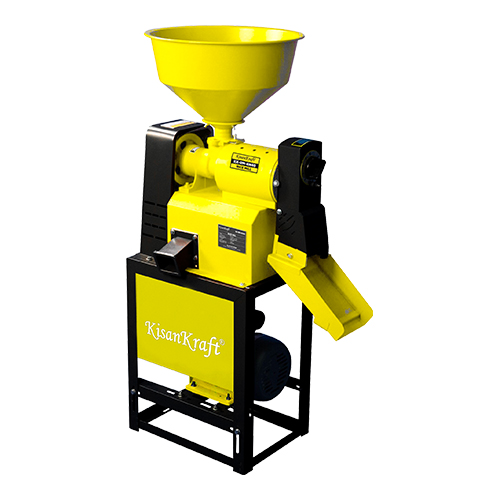
Understanding the Fundamentals of mini rice mill Technology
mini rice mill technology has transformed the landscape of small-scale milling, providing farmers and entrepreneurs with an efficient means to process rice. The core of this technology revolves around the careful balance of size, speed, and output quality. A typical mini rice mill integrates several components designed to work in unison, including a husker, a separator, and a polisher. Together, these elements help in achieving optimal milling results. Important advantages of this technology include:
- Compact Design: Suitable for limited spaces typical in rural areas.
- Operational Efficiency: Reduces the time between harvest and processing.
- Cost-Effectiveness: Lower initial investment compared to traditional milling systems.
The components of a mini rice mill are engineered to maximize output while minimizing waste. The husker, for instance, is adept at removing the husk from the rice grains without damaging the kernels, preserving their quality for consumers. The integration of modern technology also includes electronic controls for monitoring equipment performance and ensuring consistent product quality. Key features of mini rice mills can include:
| Feature | Description |
|---|---|
| Power Source | Often powered by electric motors suitable for off-grid systems. |
| Output Capacity | Ranges typically between 300 to 1000 kg per hour. |
| Materials Used | High-quality stainless steel and durable plastics for longevity. |

Maximizing Productivity with Optimal Plant Layout and Design
Creating an efficient mini rice mill plant hinges significantly on an optimal layout that fosters productivity. The key is to design a workspace that allows for seamless workflow and minimizes unnecessary movement between different processes. Consider implementing a streamlined production line where each station is dedicated to a specific task, ranging from sorting raw grains to packaging the final product. This not only enhances efficiency but also reduces the likelihood of cross-contamination. Some effective design strategies include:
- Dedicated Areas: Assign specific zones for receiving, milling, and packaging to avoid congestion.
- Vertical Space Utilization: Incorporate shelving or bins to maximize storage without overwhelming the floor area.
- Accessibility: Ensure that equipment is easily reachable for maintenance and operation, thereby reducing downtime.
Furthermore, effective plant design should encompass not just the physical space, but also the integration of modern technology and ergonomic considerations. Incorporating automated systems can significantly enhance both productivity and worker satisfaction. Here are some technological advancements that can be integrated into the design:
| Technology | Benefits |
|---|---|
| Automated Feed System | Reduces manual labor and ensures constant flow of materials. |
| Quality Control Sensors | Enhances product quality by automatically detecting inconsistencies. |
| Data Tracking Software | Facilitates monitoring of production metrics for continuous improvement. |
Incorporating these elements into the design of a small-scale milling operation can lead to improved operational efficiency, ultimately boosting overall productivity and profitability. Each decision made during the layout process has implications for workflow, safety, and employee satisfaction, making thoughtful design crucial for success in the competitive rice milling industry.
Essential Equipment and Machinery for Small-Scale Rice Milling
Setting up an efficient mini rice mill requires careful selection of essential equipment and machinery that can streamline the milling process while maintaining the quality of rice. The core components often include paddy separators, which are vital for removing impurities and ensuring that only quality grain enters the milling system. Other crucial machinery includes dehusking machines, designed to remove the outer husk, and milling machines, which turn brown rice into white rice by polishing and refining its surface. Additionally, investing in a grinding machine can help in producing rice flour, providing further value and versatility to your milling operation.
Beyond the main processing machines, other supporting equipment is equally important to enhance efficiency. Consider integrating a seed cleaner to pre-clean the rice before milling, which helps in reducing maintenance and prolonging the lifespan of milling machinery. A packaging machine is also essential for branding and distributing your rice, ensuring that it is well-presented and appealing to customers. Moreover, it is wise to incorporate a dust collection system into the setup to maintain cleanliness and safety in the working environment, thus creating a smooth workflow.
Sustainable Practices for Cost-Effective and Eco-Friendly Operations
Implementing sustainable practices in mini rice mill operations not only enhances the eco-friendliness of the process but also drives cost efficiencies. One effective strategy is the adoption of renewable energy sources, such as solar or biogas, to power equipment. This reduces dependency on fossil fuels, minimizing carbon emissions while lowering energy costs. Additionally, integrating technologies that recycle by-products can yield extra revenue streams. For example, converting rice husks into biochar or utilizing bran for animal feed can significantly improve resource efficiency. Below are some actionable eco-friendly practices:
- Water Conservation: Implementing rainwater harvesting systems and drip irrigation techniques to minimize water usage.
- Waste Management: Reusing and recycling packaging materials, as well as composting organic waste.
- Eco-Friendly Packaging: Using biodegradable or recyclable materials to reduce environmental impact.
- Energy Efficiency: Investing in energy-efficient milling machinery to lower operational costs.
Moreover, collaboration with local farmers can encourage sustainable farming practices, offering them incentives for practicing organic cultivation of rice. By establishing a direct supply chain, mini rice mills can ensure that they receive high-quality input while supporting environmental stewardship. An effective approach to track and enhance sustainability efforts is by implementing a management system that audits and analyzes resources consumed and waste produced, as detailed in the following table:
| Parameter | Measurement | Goal |
|---|---|---|
| Water Usage (liters) | 3,000 | Reduce by 15% annually |
| Energy Consumption (kWh) | 1,500 | Reduce by 10% annually |
| Waste Generation (kg) | 200 | Achieve 50% recycling |
To Wrap It Up
As we conclude our exploration of efficient mini rice mill plants, it’s clear that the world of small-scale milling holds significant promise for aspiring entrepreneurs and established farmers alike. The shift towards localized production not only empowers communities but also fosters sustainability and reduces supply chain complexities. By investing in an efficient mini rice mill, you are not just acquiring a piece of equipment, but embracing a vision for economic resilience and agricultural innovation.
Whether you are driven by the desire to enhance food security in your region or to carve out a niche in the rice market, the insights provided in this guide can serve as a solid foundation for your journey. Remember, each step towards modernizing your milling operations can lead to greater efficiency, increased profit margins, and ultimately, a larger impact on your local economy.
We encourage you to delve into the opportunities that efficient mini rice mill plants provide. As you embark on this venture, may your efforts yield not just a bountiful harvest, but also a thriving business that nourishes the body and soul of your community. Happy milling!



