
In the intricate tapestry of the food we consume, few threads are as vital yet overlooked as the journey of rice from field to table. Bursting with flavor and cultural significance, rice serves as a cornerstone of diets around the world. However, behind its humble appearance lies a complex process that transforms golden grains swaying in sunlit paddy fields into the steaming bowls we cherish. In this exploration of “From Field to Table: Unveiling the Paddy Processing Journey,” we will peel back the layers of this fascinating transformation. We’ll traverse the landscape of cultivation, harvesting, milling, and distribution, uncovering the dedicated hands and innovative techniques that ensure that each bite is not merely a meal but a rich narrative of nature, science, and human tradition. Join us as we delve into the journey of rice, shedding light on the labor and care that elevate it from a simple crop to a staple of sustenance across the globe.
Understanding the Rice Paddy Lifecycle and Its Importance in Culinary Delights
The journey of rice from lush, green fields to the vibrant plates of culinary experts is a marvel of nature and human ingenuity. Rice paddy cultivation begins with careful planning, where farmers select fertile land and prepare it with the right water levels to support the delicate seedlings. The lifecycle of the rice plant progresses through critical stages including germination, vegetative growth, and maturation. Each phase is meticulously monitored, as environmental factors such as sunlight, soil quality, and water availability play vital roles in determining yield. Farmers engage in traditional and modern agricultural techniques to ensure healthy crops, including the use of companion planting and organic fertilizers. After approximately 4 to 6 months of growth, the grains achieve optimal ripeness, signaling the time for harvest.
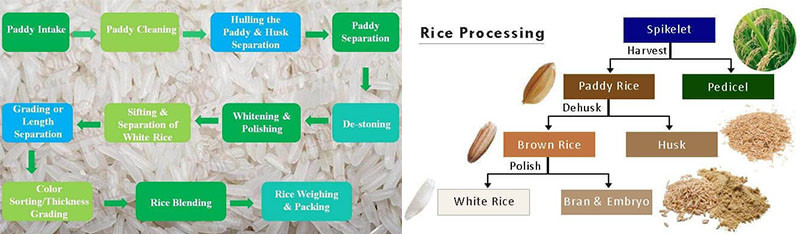
Once harvested, rice undergoes a transformative processing journey that is as intricate as the cultivation itself. The initial stages involve threshing to separate the grains from the stalks, followed by drying to reduce moisture content and prevent spoilage. After drying, the rice is hulled to remove the inedible outer husk, resulting in brown rice. For those seeking a premium product, further polishing can yield white rice, a staple in many cuisines worldwide. The processed rice is then ready to grace tables as a fundamental ingredient in a myriad of dishes, from comforting risottos to vibrant sushi. Understanding this lifecycle not only highlights the effort behind each grain but also deepens appreciation for rice’s integral role in global culinary traditions.
| Stage of Lifecycle | Description |
|---|---|
| Germination | Seeds sprout and begin to develop roots and shoots. |
| Vegetative Growth | The plant grows taller, developing leaves and establishing itself. |
| Maturation | Grains fill out and ripen, preparing for harvest. |
The Art and Science of Paddy Processing: Techniques That Preserve Quality
In the intricate journey of transforming paddy into rice, a series of careful processing techniques play a crucial role in maintaining the grain’s quality and nutritional value. First, harvesting must be executed with precision, ideally during the cool hours of the day to reduce moisture levels. Following this, the grains undergo drying to bring moisture content to an optimal level, preventing spoilage during storage. Once adequately dried, the paddy is hulled through both traditional and modern methods, which help in removing the outer shell while preserving the endosperm. This is further complemented by milling techniques that refine the rice, ensuring that each grain remains intact, minimizing broken rice while enhancing texture and flavor.
To effectively illustrate the paddy processing methods, consider the following table outlining common techniques and their impact on quality:
| Processing Technique | Impact on Quality |
|---|---|
| Harvesting | Reduces moisture, prevents spoilage |
| Drying | Protects against mold and insects |
| Hulling | Removes outer shell, preserves inner grain |
| Milling | Enhances texture and flavor, reduces broken grains |
Moreover, quality control protocols are pivotal throughout this process. Regular sampling and laboratory tests help monitor factors such as moisture content, insect infestation, and overall cleanliness. The integration of both age-old traditions and cutting-edge technology ensures that each batch of paddy, regardless of its origin, is treated with the utmost care. By maintaining these rigorous standards, producers are not only able to meet consumer expectations but also contribute to the sustainable growth of the agricultural sector.
Sustainable Practices in Rice Harvesting: Ensuring Future Generations Benefit
As the world grapples with climate change and environmental degradation, adopting eco-friendly techniques in rice harvesting is paramount for the sustainability of this staple crop. Conservation tillage, crop rotation, and integrated pest management are just a few sustainable practices increasingly employed by farmers to minimize the ecological footprint of rice cultivation. By reducing soil erosion and improving soil health, these methods ensure that paddy fields remain productive for years to come, supporting both local economies and food security globally.
Moreover, precision agriculture, which utilizes technology for precise applications, is transforming traditional rice harvesting. Farmers are now equipped with tools to monitor various parameters like moisture levels and nutrient requirements, ultimately leading to more efficient use of resources. Key benefits of these sustainable practices include:
- Improved crop yield quality – healthier plants lead to better grain quality
- Reduced resource consumption – less water and fertilizers are needed
- Biodiversity promotion – diverse cropping systems support wildlife
To visualize the impact of these practices, the following table summarizes the key benefits of sustainable rice harvesting:
| Practice | Benefit |
|---|---|
| Conservation Tillage | Enhances soil structure |
| Crop Rotation | Breaks pest cycles |
| Integrated Pest Management | Reduces chemical use |
| Precision Agriculture | Optimizes input use |
From Harvest to Plate: Recommendations for Choosing Quality Rice Products
Choosing the right rice products is essential for not only enhancing your meals but also ensuring quality and sustainability. Look for rice that has been grown in prominent paddy regions, as these areas tend to have richer soils and climates that contribute to superior flavors and textures. It’s also wise to explore varieties that come with labels or certifications such as Organic, Non-GMO, or Fair Trade, which indicate a commitment to sustainable farming practices. If possible, opt for locally sourced rice options that reduce carbon footprints and support community farmers.
When it comes to selecting rice, consider checking the appearance and packaging carefully. Quality rice grains should be intact, uniform in size and color, and free from any signs of damage or discoloration. Here are some quality indicators to keep in mind when making your selection:
- Whole grains: Choose whole grain rice, such as brown rice, for higher nutritional value.
- Aroma: High-quality rice often has a distinct, pleasant aroma; a lack of scent might indicate lower quality.
- Texture: Ensure that the grains feel firm and are not overly dusty or brittle.
| Rice Variety | Flavor Profile | Best Uses |
|---|---|---|
| Jasmine | Floral, buttery | Stir-fries, curries |
| Basmati | Nutty, aromatic | Indian dishes, pilafs |
| Arborio | Rich, creamy | Risottos |
In Conclusion
As we come to the close of our exploration into the paddy processing journey, it becomes clear that this vital cycle is more than just a series of steps; it is a testament to the dedication and craftsmanship of those who play a role in bringing rice from field to table. Each grain tells a story of labor, tradition, and innovation, connecting us to the land and the communities that nurture it.
Understanding the intricacies of paddy processing enriches our appreciation for the food we consume daily. It highlights the importance of sustainable practices and the need for conscious choices in our culinary habits. As we savor our next bowl of rice, let us remember the journey it has taken—through the hands of farmers, the precision of millers, and finally to our plates—transforming humble grains into a staple that nourishes millions.
In this age of convenience, may we take a moment to reflect on the roots of our food and the journey it undertakes to reach us. The next time you enjoy a meal, consider not just the flavors, but the entire tapestry woven from field to table. Through this awareness, we can foster a deeper connection to our food and the world around us. Here’s to honoring the journey and celebrating the unity it brings to our dining experience.



