
In a world increasingly driven by the need for efficiency and sustainability, agricultural practices are evolving to meet the demands of a growing population. Among the innovations transforming traditional farming processes, combine mini rice mills stand out as a pivotal technology reshaping the landscape of rice production. These compact, multifunctional machines are revolutionizing how farmers harvest, process, and distribute their crops, heralding a new era of streamlined operations. By integrating harvesting and milling in one seamless process, combine mini rice mills not only enhance productivity but also reduce labor and resources required, making rice farming more accessible and profitable. As we delve deeper into the significance of these mills, we uncover their role in fostering resilience within the agricultural sector and promoting food security in an ever-changing environment. Join us as we explore the intricacies of combine mini rice mills and their transformative impact on the future of rice harvests.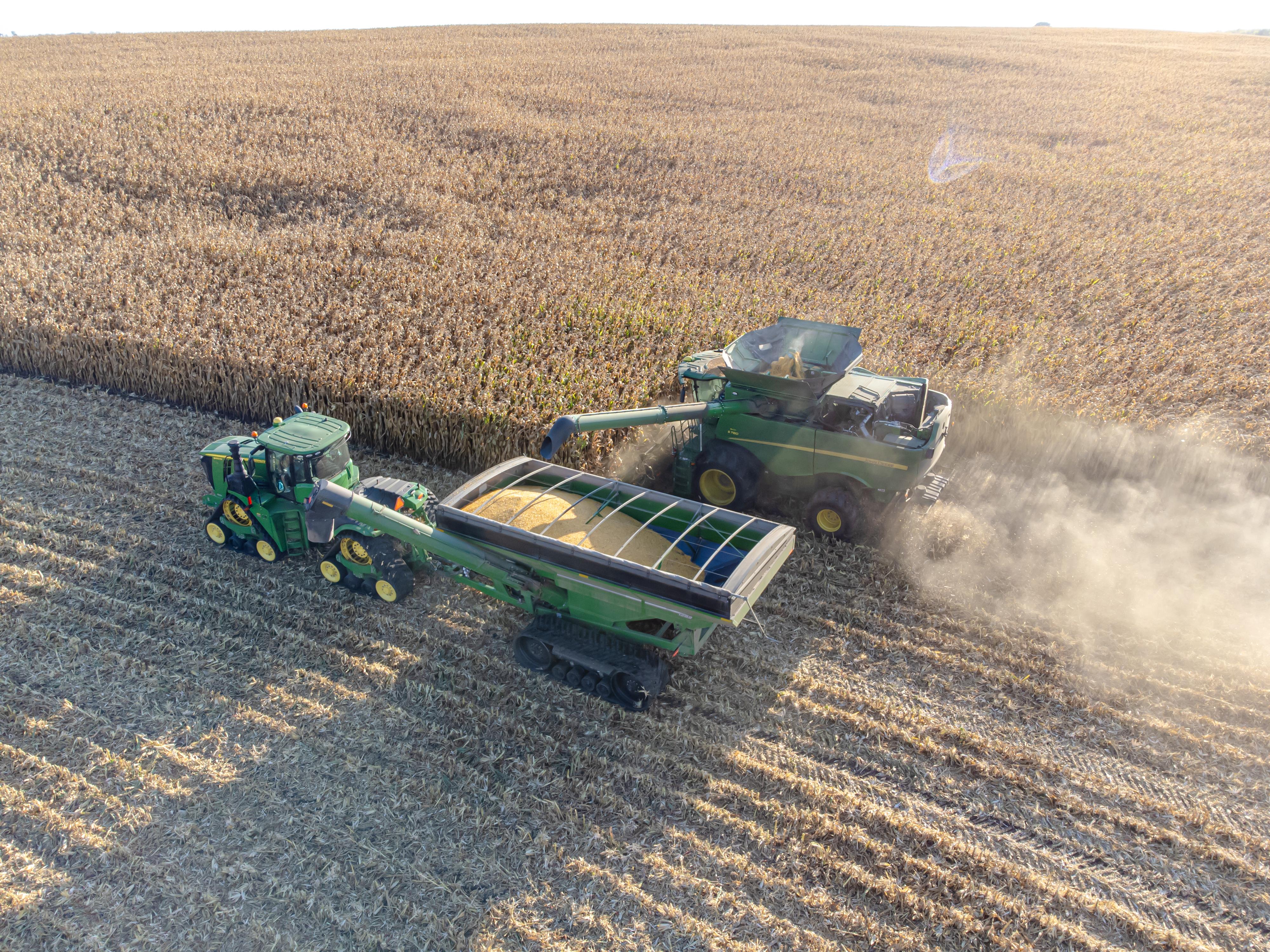
Exploring the Benefits of Combine Mini Rice Mills in Modern Agriculture
The integration of combine mini rice mills into modern agricultural practices has transformed the way farmers approach rice production. These compact machines combine the essential processes of harvesting, threshing, and milling into a single, efficient operation. Farmers benefit from reduced labor costs and time savings, as they no longer need to rely on multiple pieces of equipment to complete their tasks. Moreover, their compact size makes them ideal for small to medium-sized farms, allowing even the most remote areas to boost their productivity.
Additionally, combine mini rice mills contribute to the enhancement of grain quality and reduce post-harvest losses. By streamlining the harvesting process, they minimize damage to the rice grains, ensuring a higher yield of marketable produce. Some key advantages include:
- Increased Efficiency: Faster processing times lead to quicker turnaround from field to market.
- Cost-Effective: Lower operational costs as fewer laborers are needed.
- Quality Output: Improved grain quality thanks to reduced wear and tear during processing.
| Feature | Benefit |
|---|---|
| Compact Design | Easy to transport and store |
| Multi-Functionality | Combines multiple processes into one machine |
| Time-Saving | Reduces overall time from harvest to milling |
Farmers who adopt combine mini rice mills find themselves better equipped to compete in a dynamic agricultural market. With the potential for innovation in their traditional practices, these mills symbolize a shift towards sustainable farming. Not only do they provide a means to enhance productivity, but they also empower farmers to take control of their post-harvest processes, ensuring a more successful agricultural future.
Enhancing Efficiency: How Combine Mini Rice Mills Transform Harvesting Practices
Combine mini rice mills have revolutionized the way farmers approach their harvests, merging efficiency with cutting-edge technology. These compact powerhouses streamline several traditional processes, resulting in a significant reduction in both time and labor costs. By performing multiple tasks, such as reaping, threshing, and milling, in one seamless operation, these machines eliminate the need for multiple tools and the associated hassles. This comprehensive functionality not only enhances productivity but also optimizes resource allocation, allowing farmers to focus more on expanding cultivation areas while significantly decreasing downtime during harvesting. The integration of this technology into rice farming has made it feasible for even small-scale farmers to access premium equipment and adopt more streamlined methods.
One of the standout advantages of combine mini rice mills is their adaptability to various farm sizes and layouts, making them accessible regardless of geographical conditions. Their lightweight design allows for easy maneuverability in the field, while advanced technology ensures a minimal footprint on crops during operation. Moreover, these machines promote sustainable practices by minimizing spoilage and waste, allowing for better utilization of the harvested product. The following features highlight how combine mini rice mills contribute to transforming traditional agricultural practices:
- Multi-functional Operations: Combine reaping, threshing, and milling in one step.
- Time Efficiency: Complete harvests significantly faster than conventional methods.
- Labor Savings: Reduced workforce requirements without compromising output.
- Reduced Waste: Enhanced grain recovery leading to less crop loss.
Sustainability in Action: The Environmental Impact of Streamlined Rice Processing
In recent years, the drive towards sustainability has influenced many agricultural practices, with rice processing emerging as a significant area of focus. The introduction of combine mini rice mills exemplifies how innovation can reduce the environmental footprint of rice production. By optimizing the milling process, these compact machines ensure more efficient use of resources, which leads to a myriad of environmental benefits. Not only do they minimize energy consumption, but they also contribute to reducing waste generation during the milling process. Furthermore, streamline rice processing can lessen the carbon emissions associated with transportation, as smaller mills can operate closer to farms.
By implementing advanced technologies in combine mini rice mills, the agricultural sector sees notable reductions in water usage and an increase in overall productivity. The benefits of these methods can be summarized as follows:
- Resource Efficiency: Less grain loss and reduced need for intensive water use.
- Waste Reduction: Decreased by-products and more effective utilization of husks and bran.
- Lower Carbon Footprint: Enhanced local processing capabilities limit long-distance transport emissions.
The adoption of energy-efficient practices and equipment not only aligns with global sustainability goals but also promises economic advantages for rice farmers. The table below encapsulates the key environmental impacts of traditional vs. streamlined rice milling solutions:
| Aspect | Traditional Milling | Streamlined Milling |
|---|---|---|
| Energy Consumption | High | Low |
| Water Usage | High | Reduced |
| Grain Loss | 15-20% | 5-10% |
| Waste Production | High | Minimized |
Investment Insights: Choosing the Right Combine mini rice mill for Your Farm
When selecting a combine mini rice mill for your farm, it is essential to consider several factors that will ensure optimal performance and efficiency. Key considerations include:
- Capacity Requirement: Assess your farm’s production levels to choose a mill that can handle your expected yield without compromising speed or quality.
- Grain Quality Output: Look for models that provide minimal broken rice and improve overall grain quality, impacting marketability.
- Fuel Efficiency: Evaluate fuel consumption rates, as the right model can significantly reduce operational costs.
- Ease of Operation and Maintenance: Select a mill that offers user-friendly controls and features easy access for maintenance and repairs.
Furthermore, understanding the available features can help you make a more informed choice. Consider the following attributes:
| Feature | Description |
|---|---|
| Three-in-One Functionality | Combines harvesting, threshing, and milling in one efficient machine. |
| Automated Settings | Offers programmable controls for precise operations tailored to different rice varieties. |
| Compact Design | Space-saving structure that enhances mobility across fields. |
| Durability | Constructed with high-quality materials for longevity in diverse agricultural conditions. |
By weighing these factors and features, you can make a choice that not only enhances your rice production process but also adapts to the changing needs of your farm in the long run.
Concluding Remarks
As we draw the curtain on our exploration of combine mini rice mills, it becomes clear that these innovative machines stand at the crossroads of tradition and modernity in rice cultivation. By streamlining the harvest process, they not only enhance efficiency but also bolster the livelihoods of farmers, ensuring that precious grains reach our tables with minimal loss.
The integration of technology in agriculture is not merely about mechanization; it symbolizes a shift towards sustainable practices that honor both our heritage and the future of food security. As the global population continues to rise, the role of combine mini rice mills may well become pivotal in meeting the ever-growing demand for rice. Their impact ripples through supply chains, influencing everything from production costs to consumer prices.
In the quest for a more resilient agricultural system, the humble combine mini rice mill embodies the potential for innovation and adaptation. It invites us to envision a future where every harvest is a testament to efficiency, sustainability, and the unwavering spirit of those who work the land. As we end this discussion, we are reminded that the journey of each grain begins long before it reaches our plates, and the tools we use play a crucial role in shaping that journey.



