
Revolutionizing Grain Processing: The Combined Rice Mill Journey
In the heart of agricultural innovation lies a transformative movement that is changing the landscape of grain processing. At the forefront of this evolution is the combined rice mill – a beacon of efficiency and sustainability that promises to enhance the way we process one of the world’s most vital staple foods. This journey, marked by technological advancements and a commitment to optimizing every grain, reflects both the age-old traditions of rice cultivation and the modern demands of food production. As we delve into the intricacies of the combined rice mill, we will explore its design, impact on productivity, and potential to reshape global food security, all while honoring the rich cultural heritage embedded in each grain of rice. Join us as we uncover how this innovative approach is revolutionizing grain processing for future generations.
Transforming Traditional Techniques in Grain Processing
The journey of grain processing has been significantly impacted by innovative technologies that reimagine age-old practices. Traditional methods often involved labor-intensive processes that demanded extensive time and effort. Today, advancements such as automated machinery and precision engineering have streamlined these processes, enabling producers to enhance both speed and efficiency. This modern approach integrates smart systems that not only boost productivity but also maintain the quality and integrity of grains throughout the milling process.
Furthermore, the combined rice mill stands as a testament to the transformation of grain processing. This system simplifies operations by combining different milling functions into a single unit, effectively reducing the need for multiple machines. Key features that highlight this evolution include:
- Energy Efficiency: Significantly reduces power consumption, leading to lower operational costs.
- Compact Design: Saves space, making it ideal for both small and large-scale operations.
- Uniform Output: Ensures consistency in grain quality, which is crucial for market competitiveness.
| Feature | Traditional Method | Combined Rice Mill |
|---|---|---|
| Processing Time | Longer | Reduced by up to 30% |
| Labor Intensity | High | Low |
| Output Consistency | Variable | Highly consistent |
As stakeholders in the agricultural sector embrace these modern systems, there’s a profound shift towards sustainability and quality assurance. By leveraging data analytics and IoT technology, processors can monitor every stage of the milling journey, fostering an environment where continuous improvement becomes the norm. As innovation in grain processing progresses, the fusion of traditional wisdom with cutting-edge technology is setting new standards, paving the way for a more efficient future in food production.
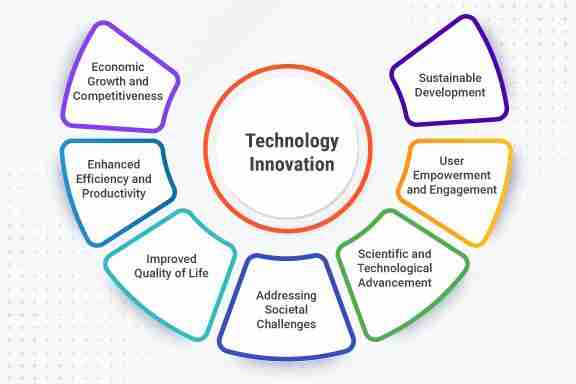
Innovative Technologies Shaping the Future of Rice Milling
The evolution of rice milling has seen a remarkable transition, especially with the emergence of automated systems and smart technologies that significantly enhance efficiency and yield. Modern rice mills now utilize Internet of Things (IoT) devices to monitor the entire milling process, ensuring optimal conditions and reducing waste. Additionally, predictive analytics powered by artificial intelligence helps mill operators foresee potential equipment failures, thereby minimizing downtime and maintenance costs. This shift not only maximizes productivity but also empowers millers to make data-driven decisions in real-time.
Moreover, innovations in sustainability practices are revolutionizing the industry. Techniques such as solar energy integration and biomass utilization allow mills to operate with a reduced carbon footprint. New milling machines designed to utilize less water and optimize energy consumption are also becoming standard. The adoption of these practices is reflected in improved product quality, with an increasing number of rice varieties being milled to meet consumer demands while supporting environmental stewardship.
| Technologies | Benefits |
|---|---|
| IoT Monitoring | Real-time insights and reduced waste |
| AI Analytics | Predictive maintenance and increased uptime |
| Solar Energy | Lower energy costs and reduced emissions |
| Water Optimization | Conservation and enhanced efficiency |
Sustainability Matters: Eco-Friendly Practices in Rice Production
As the global demand for rice continues to rise, sustainable practices in rice production have become vital to minimize environmental impact. Implementing eco-friendly techniques not only helps preserve the ecosystem but also enhances the quality of the grain. Farmers are increasingly adopting practices such as:
- Crop Rotation: Alternating rice cultivation with legumes or other crops to improve soil health.
- Integrated Pest Management (IPM): Reducing chemical pesticide use through biological pest control methods.
- Water Management: Implementing efficient irrigation systems to conserve water resources.
- Organic Methods: Utilizing organic fertilizers and amendments to promote healthy crop growth.
In the realm of grain processing, innovations that align with sustainability goals are revolutionizing the industry. Manufacturers are focusing on reducing waste during rice milling through state-of-the-art technologies. Key strategies include:
- Utilizing Byproducts: Transforming rice husks into biofuel or compost, thereby minimizing waste.
- Energy Efficiency: Incorporating machinery that operates on renewable energy sources.
- Water Recirculation Systems: Recycling water used in processing to reduce consumption.
- Eco-Friendly Packaging: Developing biodegradable packaging solutions to reduce plastic waste.
| Eco-Friendly Practices | Benefits |
|---|---|
| Crop Rotation | Enhances soil fertility |
| Integrated Pest Management | Reduces chemical residues |
| Water Management | Conserves water resources |
| Utilizing Byproducts | Minimizes waste and fosters circular economy |
Market Trends and Consumer Preferences Driving Change in Grain Processing
The grain processing industry is witnessing a seismic shift, driven by evolving market dynamics and a deepening understanding of consumer preferences. As sustainability takes center stage, manufacturers are pivoting towards environmentally friendly practices that reduce waste and emissions. Consumers today are increasingly prioritizing organic and locally sourced grains, leading processors to embrace transparency in their supply chains. This evolution is not only about meeting demand but also about forging stronger connections with health-conscious shoppers who seek cleaner, more natural food sources. To stay ahead, grain processors are integrating innovation in technology, such as automation and data analytics, to enhance efficiency and product quality.
In response to these trends, several companies are refining their product offerings to align with consumer expectations. Key drivers of change include:
- Health Consciousness: A growing preference for whole grains and gluten-free options has encouraged mills to diversify their product lines.
- Traceability: Consumers are demanding greater insight into the origins of their food, leading to enhanced labeling and transparency practices.
- Customization: Personalized nutrition is becoming the norm, pushing manufacturers to provide tailored grain options.
In light of these developments, some processors have embraced partnerships with innovative startups to pioneer new products that cater to modern diets. A recent study highlighted the percentages of consumers prioritizing various factors when purchasing grain products, as shown in the table below:
| Factor | Percentage of Consumers |
|---|---|
| Sustainability | 68% |
| Health Benefits | 75% |
| Local Sourcing | 54% |
In Conclusion
As we wrap up our exploration of the transformative journey of combined rice mills, it becomes clear that innovation lies at the heart of grain processing. From the initial stages of milling to the final packaging of rice, the evolution of technology and engineering has played a crucial role in enhancing efficiency, sustainability, and product quality.
What began as a simple concept has blossomed into a sophisticated process that not only meets the growing demands of a global population but also addresses pressing issues such as food security and environmental sustainability. As the industry continues to embrace modernization, we stand on the threshold of a new era where the synergy of tradition and innovation will define the future of grain processing.
In this revolution, every stakeholder—from farmers to consumers—has a critical role to play. By fostering collaboration and embracing advancements, we can anticipate a thriving agricultural landscape that respects our roots while reaching for new heights. The combined rice mill journey is more than just a story of machinery and technology; it is a testament to human ingenuity, perseverance, and the unyielding quest for progress. As we move forward, let us remain vigilant and proactive in shaping a future that reflects our commitment to sustainable growth and prosperity for all.



