
Unlocking Efficiency: The Industrial Rice Milling Revolution
In a world where the demand for high-quality food production continues to surge, the rice milling industry finds itself at a pivotal crossroads. As one of the globe’s most essential staple crops, rice represents not just sustenance but a cultural cornerstone for billions. Yet, while traditional milling practices have sustained communities for generations, the challenges of modern agriculture—ranging from labor shortages to environmental sustainability—are reshaping the landscape of rice processing. This is where the Industrial Rice Milling Revolution comes into play. By integrating advanced technology, innovative techniques, and a focus on efficiency, this burgeoning movement promises to redefine the way rice is milled, processed, and consumed. In this article, we will explore the transformative impact of modern milling systems, unveiling how they unlock efficiency and sustainability while addressing the pressing needs of today’s food systems. Prepare to journey through the heart of an industry ripe for change, where tradition meets innovation in the quest for a more resilient future.
Transforming Tradition: The Shift to Modern Rice Milling Techniques
In recent years, rice milling has undergone a dramatic transformation, moving from age-old methods to advanced industrial techniques that maximize efficiency and minimize waste. The incorporation of cutting-edge machinery such as automated sorting systems, high-capacity huskers, and precision milling machines has redefined traditional workflows. This shift not only elevates the quality of the final product but also significantly reduces milling time, allowing producers to meet the growing demands of the global market. Innovative technologies such as smart sensors and data analytics enable millers to monitor processes in real-time, ensuring consistent output and reducing the risk of errors.
As a result of these advancements, a new standard of sustainability is emerging within the industry. Modern milling techniques prioritize eco-friendly practices, from the use of energy-efficient machines to waste recycling initiatives that convert byproducts into value-added products. Key benefits of this transformation include:
- Reduced Energy Consumption: Modern mills utilize machinery that requires less power, leading to lower operational costs.
- Increased Yield: Precision milling ensures more grain is extracted from husks compared to traditional methods.
- Enhanced Quality Control: Real-time monitoring allows for immediate adjustments, ensuring a higher quality end product.
| Aspect | Traditional Methods | Modern Techniques |
|---|---|---|
| Efficiency | Lower, manual processes | High, automated systems |
| Waste | Higher byproduct waste | Minimized waste through recycling |
| Quality | Variable, unpredictable | Consistent and high-quality output |
Innovative Machinery: Enhancing Yield and Reducing Waste
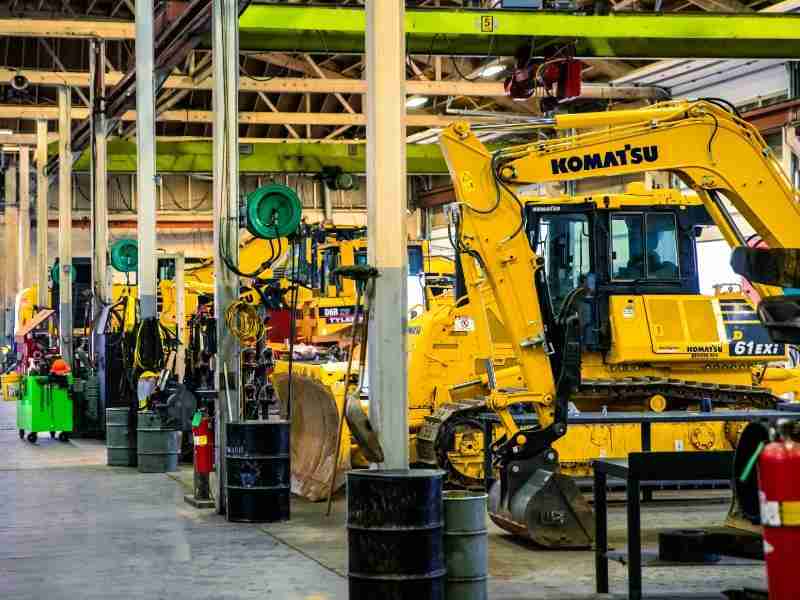
The evolution of rice milling technology has paved the way for substantial advancements in agricultural productivity. Innovative machinery not only streamlines the milling process but also significantly boosts yield while minimizing waste. State-of-the-art equipment, equipped with precision sensors and automation capabilities, can accurately segregate quality grains from unwanted materials, ensuring optimal utilization of available resources. This transition from traditional practices to modernized techniques encompasses mechanical advancements, digital monitoring, and improved design, all of which contribute to providing farmers and mill operators a competitive advantage in the global market.
Furthermore, the integration of energy-efficient solutions in milling operations leads to a reduction in carbon footprint, enhancing sustainability in rice production. By employing systems that recycle by-products and utilizing clean energy alternatives, mills can transform waste into valuable assets. Some key benefits include:
- Reduced water usage: Advanced cooling and cleaning systems minimize excess water consumption.
- Lower energy costs: Innovations in machinery allow for reduced electricity usage without sacrificing performance.
- Waste valorization: By-products from milling can be transformed into animal feed or compost.
To illustrate the impact of such machinery on productivity, consider the following comparison between traditional milling and innovative systems:
| Milling Method | Yield (%) | Waste (%) |
|---|---|---|
| Traditional Milling | 60-65 | 35-40 |
| Innovative Machinery | 75-80 | 20-25 |
Sustainable Practices: Balancing Efficiency with Environmental Responsibility
In the rapidly evolving landscape of industrial rice milling, optimizing efficiency often goes hand in hand with a commitment to environmental stewardship. By adopting state-of-the-art technologies such as automated milling systems, facilities can significantly reduce waste and enhance productivity. These innovations not only streamline operations but also contribute to a smaller carbon footprint, showcasing that profitability and sustainability can coexist. One effective approach includes:
- Energy-efficient machinery: Reducing energy consumption while maximizing output.
- Water conservation techniques: Implementing recirculation systems to minimize water use.
- Waste recycling programs: Converting byproducts into valuable resources, such as rice husk fuel.
Moreover, integrating sustainability metrics into operational frameworks can help track progress and identify areas for improvement. For instance, conducting regular assessments on energy usage and waste generation allows millers to pinpoint inefficiencies. This data-driven approach can lead to transformative initiatives, such as:
| Initiative | Expected Outcome |
|---|---|
| Solar power installations | Decrease in electricity costs by up to 30% |
| Waste-to-energy conversion | Reduction of landfill waste by 50% |
| Employee training programs | Increased awareness and adherence to sustainable practices |
Empowering Communities: The Socioeconomic Impact of Advanced Milling Solutions
Advanced milling solutions have the potential to transform local economies by creating job opportunities and enhancing food security. By implementing state-of-the-art techniques, communities experience increased operational efficiency and product yields, leading to economic stability. This improved efficiency not only maximizes output but also minimizes energy and resource consumption, which supports sustainable practices. Some notable benefits include:
- Job Creation: New mill technologies require skilled workers, fostering vocational training and employment.
- Enhanced Food Security: Efficient milling contributes to higher production rates, ensuring a steady supply of staple foods.
- Market Accessibility: Advanced milling opens avenues for farmers and local producers to access wider markets.
Moreover, the ripple effect of adopting advanced milling solutions can be impactful across various sectors. As the local economy flourishes, other industries, such as transportation, packaging, and retail, also benefit from increased demand. Reducing post-harvest losses through improved processing techniques enables communities to capitalize on their agricultural output more effectively. This shift not only boosts farmers’ incomes but also enhances overall community resilience. To provide a clearer picture, consider the following comparison of traditional versus advanced milling efficiency:
| Aspect | Traditional Milling | Advanced Milling |
|---|---|---|
| Efficiency | 60% | 90% |
| Post-Harvest Loss | 20% | 5% |
| Energy Consumption | High | Low |
In Conclusion
As we close the chapter on the industrial rice milling revolution, it’s clear that efficiency is not just a goal—it’s a catalyst for transformation within the agricultural sector. Through technological advancements and innovative practices, rice milling is experiencing a renaissance that promises increased yields and reduced waste. The benefits extend beyond the mill, influencing economies and communities worldwide, ensuring that this vital staple not only meets our dietary needs but does so sustainably.
As we stand on the cusp of a new era, the question remains: how will we harness this momentum to further elevate the agricultural landscape? The journey ahead is one of potential and possibility, where strategic investments and collaborative efforts can redefine our relationship with food production. By unlocking the keys to efficiency, we are paving the way for a future where food security is attainable, and the promise of progress is realized. In this ever-evolving narrative, it is our responsibility to embrace innovation, engage in dialogue, and foster practices that honor both the land and the communities that depend on it. The revolution in rice milling is just the beginning; what will we unlock next?



