
In the heart of agricultural landscapes, where fields stretch toward the horizon and the golden grains sway gently with the breeze, lies a crucial link in our food supply chain: the rice processing plant. This hidden gem transforms simple rice grains into the staple that graces tables across the globe. In “Unveiling the Rice Processing Plant: A Journey from Grain to Plate,” we embark on an enlightening exploration of this intricate process. From the moment rice is harvested, through the meticulous stages of milling, polishing, and packing, to its final presentation on our plates, we delve into the science and artistry behind rice processing. Join us as we uncover the technology, craftsmanship, and dedication that turn raw grains into a beloved culinary cornerstone, showcasing the labor and innovation that bring sustenance from the fields to our families.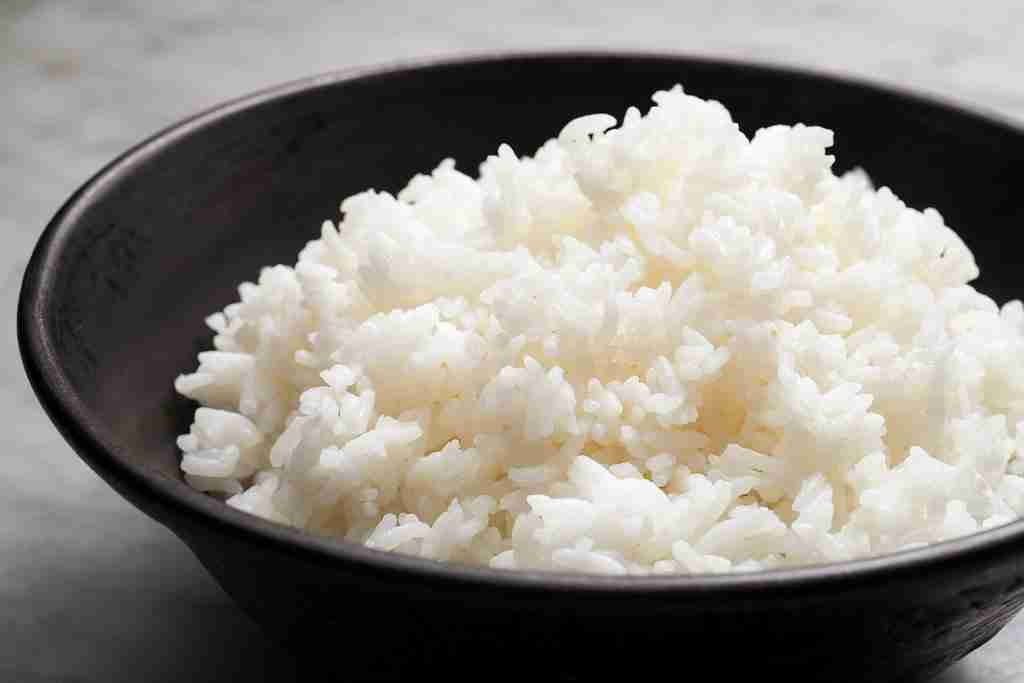
Exploring the Journey of Rice: From Harvesting to Processing
The journey of rice begins in the lush, green fields where farmers meticulously tend to their crops. After weeks of nurturing, it’s time for the rice to be harvested, often using traditional methods or modern machinery. The golden grains are collected, signaling the transition from nature to the hands of skilled processors. The first step in processing involves drying the harvested rice to reduce moisture content, ensuring that it can be stored for longer periods without spoiling. Drying has a significant impact on the quality of rice, influencing its taste and texture once it is prepared for consumption.
Once dried, the rice undergoes milling, a crucial step that transforms the raw grains into a refined product ready for the market. This process can involve several stages, including:
- Hulling: Removing the outer husk of the rice.
- Polishing: Buffing the rice to enhance its appearance.
- Grading: Sorting the rice by size and quality.
The end result is a pristine product, packaged and marked for distribution. Understanding the intricacies of this process reveals not just the labor involved, but the dedication to quality that farmers and processors uphold, ensuring that each grain reaches our plates with care.
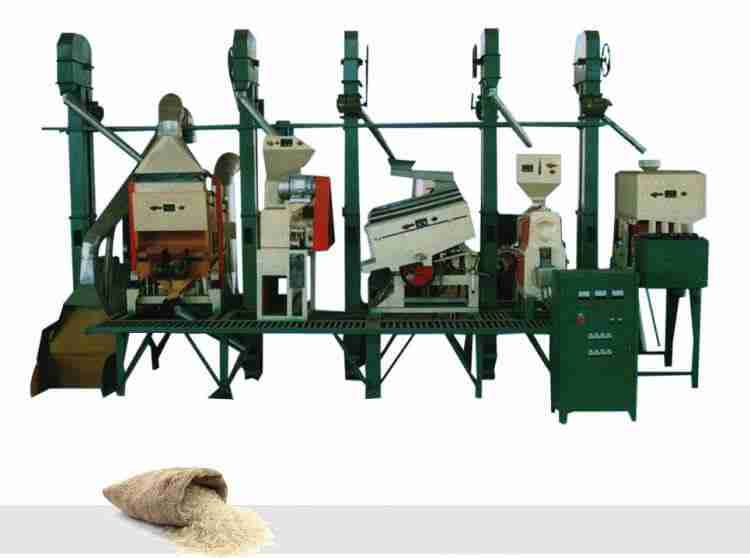
Inside the Rice Processing Plant: Technologies and Techniques Uncovered
The rice processing journey begins with hulling, where harvested paddy undergoes mechanical dehusking. This stage removes the outer husk, which is non-edible, revealing the brown rice underneath. Notably, advanced machinery now dominates this process, making it efficient and minimizing breakage. Following hulling, the rice is subjected to milling, a two-step endeavor involving whitening and polishing. During whitening, the bran and germ are removed, producing white rice, while polishing enhances the grains’ appearance, making them glossy and visually appealing.
To ensure the highest quality, rice plants utilize sorting and grading technologies that employ optical sensors. These systems detect color and size discrepancies, effectively eliminating defective grains. Additionally, modern processing facilities incorporate storage solutions equipped with climate control to maintain grain quality long after milling. The integration of automated systems for monitoring moisture levels and contamination makes the processing plant not only efficient but also reliable in delivering consistent, high-quality rice to consumers:
| Technology | Description |
|---|---|
| Optical Sorting | Uses advanced sensors to classify rice based on color and quality. |
| Climate-Controlled Storage | Maintains optimal storage conditions to preserve grain integrity. |
| Automated Quality Control | Monitors moisture and contaminants in real-time. |
Quality Assurance in Rice Production: Ensuring Purity and Flavor
In the quest for premium rice, the journey from field to table involves meticulous steps to uphold quality assurance. This process ensures that the rice retains its purity and flavor—two crucial factors that define its culinary excellence. Quality checks begin right in the fields, where farmers implement best practices in harvesting and initial processing. These practices include selecting high-quality seeds, monitoring irrigation methods, and adhering to pest management protocols to minimize contamination. Once harvested, rice undergoes careful examination as it is transported to processing plants, where state-of-the-art equipment and trained personnel work to safeguard its integrity.
At the processing plant, rigorous quality assurance measures come into play. The rice is subjected to a series of evaluations that include:
- Moisture content analysis: Ensures optimal storage conditions.
- Grain sorting: Removes damaged or discolored grains.
- Flavor testing: Assesses aromatic profiles to maintain taste standards.
Each batch is meticulously documented and monitored through a robust tracking system, ensuring that every grain meets the highest specifications. The culmination of these efforts is reflected in the final product—rice that is not only visually appealing but also bursting with authentic flavor, ready to grace dining tables around the world. Quality assurance in rice production is an art form, essential for the delight of all who savor its charm.
| Quality Check Process | Description |
|---|---|
| Field Inspection | Assessment of cultivation practices and seed quality. |
| Post-Harvest Processing | Initial checks for moisture levels and grain health. |
| Final Quality Assurance | Tests for flavor, aroma, and appearance before packaging. |
Sustainable Practices in Rice Processing: Recommendations for a Greener Future
The rice processing industry plays a pivotal role in ensuring that rice moves efficiently from field to fork. Adopting sustainable practices not only enhances the environmental viability of this sector but can also lead to significant cost savings and favorable market positioning. One key recommendation is to implement energy-efficient equipment in processing plants, which can drastically reduce energy consumption. Integrating renewable energy sources, such as solar or biomass, can further offset carbon footprints and energy costs. Additionally, investing in technologies that minimize water usage and promoting closed-loop systems for wastewater treatment can drastically improve water sustainability, conserving vital resources while maintaining productivity.
Furthermore, fostering a culture of waste reduction and by-product valorization is crucial for a greener future. Implementing practices that transform rice husks and bran into valuable products like biofertilizers, animal feed, or even biofuels can significantly reduce waste. Engaging in supply chain collaboration is equally important; partnering with local farmers not only strengthens community ties but also ensures that sourcing practices are sustainable and socially responsible. Regular sustainability audits and training sessions for staff can help develop a more knowledgeable workforce, ultimately driving innovation towards further sustainable practices.
Key Takeaways
As we draw the curtains on our exploration of the rice processing plant, we hope to have illuminated the remarkable journey that each grain undertakes before gracing our plates. From the gentle rustle of rice fields swaying in the breeze to the meticulous machinery that transforms raw harvests into polished perfection, this intricate process is a testament to both nature’s bounty and human ingenuity.
Behind every grain lies a story—of hard work, innovation, and dedication. It’s a narrative woven with the threads of tradition and modern technology, culminating in the nourishing meals that connect cultures and families around the world. Understanding this journey not only enriches our appreciation of rice as a staple food but also fosters a greater respect for the countless individuals who play a vital role in bringing it to our tables.
As we savor our next bowl of rice, let us remember the journey—from grain to plate—and the interwoven destinies of producers and consumers alike. The next time you enjoy this timeless staple, take a moment to reflect on this essential connection and the intricate processes that make it all possible. After all, in every bite lies a rich history waiting to be honored.



