
Revolutionizing Rice Production: The Modern Rice Mill Journey
In the heart of agriculture, few staples wield as much cultural and culinary significance as rice. This humble grain, a dietary cornerstone for billions, has been cultivated for thousands of years, but the methods of its production are undergoing a seismic shift. As we stand on the precipice of a new agricultural era, the modern rice mill emerges as a beacon of innovation, harnessing technology and sustainable practices to redefine efficiency, quality, and yield. From cutting-edge machinery and precision engineering to the integration of data analytics and eco-friendly methods, this article delves into the transformative journey of rice milling in the 21st century. Join us as we explore how these advancements are not only reshaping the industry but also securing the future of rice production for generations to come.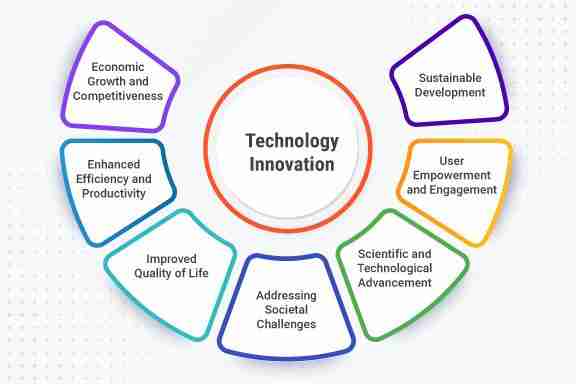
Innovative Technologies Shaping the Future of Rice Milling
The rice milling industry is undergoing a transformative shift thanks to several cutting-edge technologies that not only enhance efficiency but also prioritize sustainability. One of the most significant advancements is the integration of automated milling systems. These systems utilize smart technology for real-time monitoring and control, enabling millers to optimize output while reducing waste. Additionally, the implementation of machine learning algorithms has allowed for predictive maintenance, which minimizes downtime and ensures the continuous operation of equipment. As a result, rice mills can now achieve higher throughput levels while maintaining the quality of the milled product.
Moreover, the adoption of biomass energy systems is redefining the energy landscape of rice milling operations. By leveraging by-products such as husk and straw, mills can convert waste into a renewable energy source, significantly lowering their carbon footprint and energy costs. This shift not only contributes to better environmental practices but also supports local economies by creating jobs in bioenergy sectors. Enhanced digital platforms are also emerging, providing millers with access to data analytics that facilitate better decision-making and resource management. Together, these innovations are setting a new standard for rice production that aligns with both economic and environmental goals.
| Technology | Benefits |
|---|---|
| Automated Milling Systems | Increased efficiency, reduced waste |
| Machine Learning | Predictive maintenance, minimized downtime |
| Biomass Energy Systems | Renewable energy, lower carbon footprint |
| Digital Platforms | Data-driven decision-making |

Sustainable Practices for Enhancing Productivity and Quality
Implementing eco-friendly approaches in modern rice mills can lead to significant advancements in both productivity and quality. By integrating precision agriculture techniques, farmers can utilize data analytics to monitor the growth stages of their crops more efficiently. This technology enables real-time adjustments to irrigation and fertilization, ensuring optimal nutrient delivery while minimizing waste. Additionally, transitioning to renewable energy sources, such as solar or biogas, can dramatically reduce carbon footprints, making rice milling not only cost-effective but also environmentally responsible. This synergy between technology and sustainability creates a ripple effect, improving the overall health of local ecosystems and communities.
Further enhancing the quality of rice can be achieved through sustainable post-harvest practices. Key strategies include:
- Implementing air-drying techniques: Reducing moisture content efficiently to prevent spoilage.
- Using eco-friendly packaging: Minimizing plastic waste and promoting biodegradable options.
- Adopting organic pest control: Protecting crops without harmful chemicals.
These practices not only boost the shelf life and nutritional value of the rice produced but also elevate consumer trust and demand. The continuous commitment to sustainable techniques creates a competitive advantage while nurturing a legacy of responsible farming.
| Practice | Benefits |
|---|---|
| Precision Agriculture | Maximizes resource efficiency and enhances crop yields |
| Renewable Energy | Reduces operational costs and lowers emissions |
| Organic Pest Control | Safeguards ecosystems and promotes healthier produce |
Embracing Automation: The Key to Efficiency in Rice Processing
In the modern landscape of rice processing, embracing automation has emerged as a defining factor that enhances productivity and consistency. Automation facilitates meticulous control over each stage of production, from husking to milling, ensuring that quality is never compromised. By integrating advanced technologies, rice processors are able to achieve remarkable efficiency and reduce labor costs, making the entire operation more sustainable. Key advantages of automated systems include:
- Increased output: Automated systems can operate continuously, increasing overall production rates.
- Precision: Advanced machinery minimizes human error, allowing for a more uniform product.
- Resource management: Automation optimizes the use of water and energy, reducing waste.
Moreover, the shift towards automation opens up avenues for real-time data analytics, allowing mill operators to monitor production processes and make informed decisions on-the-go. As operators gain access to detailed process metrics, they are better equipped to identify areas for improvement and innovation. The implementation of automation technology is commonly represented in performance metrics, as illustrated in the table below:
| Process Stage | Manual Efficiency (%) | Automated Efficiency (%) |
|---|---|---|
| Husking | 70 | 90 |
| Milling | 65 | 85 |
| Polishing | 60 | 80 |
This transformation not only boosts operational capabilities but also empowers rice processors to meet the growing demands of a global market, putting them at the forefront of agricultural innovation.
Market Trends and Consumer Preferences Driving Modernization in Rice Mills
As the agricultural landscape evolves, rice mills are experiencing a significant transformation influenced by both market trends and consumer preferences. The growing demand for high-quality rice products has prompted mill operators to adopt advanced technologies aimed at enhancing production efficiency and product quality. Key trends include the increasing desire for organic and sustainably sourced rice, reflecting consumers’ heightened awareness of health and environmental issues. These preferences have driven modernization efforts that prioritize eco-friendly processes, such as waste reduction, recycling, and the utilization of energy-efficient machinery.
In response to these trends, many rice mills are now implementing smart technology solutions to streamline operations and improve overall performance. Innovations such as automated sorting and milling processes enable mills to maintain consistent quality while minimizing labor costs. Additionally, real-time data analytics allow producers to monitor production efficiencies and adjust processes accordingly, ensuring they meet evolving consumer demands. The integration of e-commerce platforms is also becoming commonplace, enabling rice mills to reach broader markets effectively. With such advancements, the rice milling industry is poised to thrive in a competitive market, driven by a commitment to quality and sustainability.
Final Thoughts
As we draw the curtains on our exploration of the transformative journey of modern rice milling, it’s evident that the fusion of tradition and technology is not merely a trend but a vital evolution in agriculture. These state-of-the-art rice mills are not just machines; they embody a commitment to efficiency, sustainability, and the resilience of farmers worldwide.
The advancements in milling processes, coupled with innovative agricultural practices, promise to redefine food security and enhance livelihoods across the globe. As we look to the future, it is crucial that we continue to support these revolutionary changes, ensuring that the humble grain of rice retains its place as a staple for billions while paving the way for a sustainable agricultural landscape.
In an ever-changing world, the journey of modern rice mills reminds us that with each innovation, we have the power to cultivate not just crops, but a future rooted in prosperity and sustainability. Let us sow the seeds of progress together, as we turn the page on a new chapter in rice production.



