
Transforming Grains: The Journey Through a Paddy Processing Factory
In the heart of agrarian landscapes, where emerald fields sway gently under the caress of the wind, a remarkable transformation unfolds. Here, nature’s bounty is not merely harvested; it is meticulously processed in a complex symphony of machinery and craftsmanship. Welcome to the paddy processing factory—a bustling hub where raw grains undergo a metamorphosis, evolving from humble rice paddies to the polished grains that grace our tables. This article invites you to embark on a journey through the intricate processes and innovative technologies that define paddy processing, illuminating the dedication and expertise that underpin the journey of grains from field to fork. Join us as we delve into the rhythm of this essential industry, exploring each stage that brings nourishment and sustenance to millions worldwide.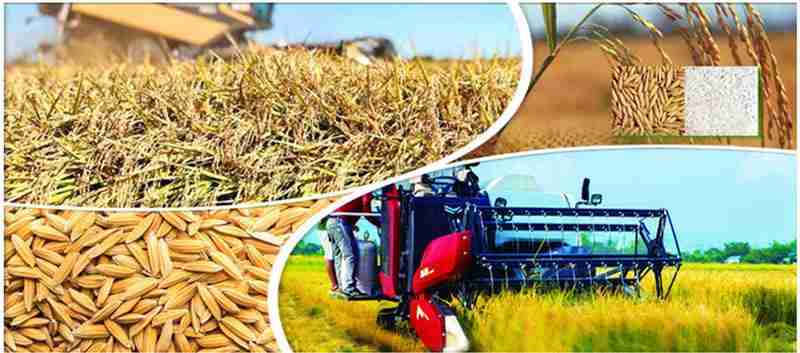
Understanding the Role of Paddy Processing in Sustainable Agriculture
In the intricate dance of agriculture, paddy processing plays a pivotal role in enhancing sustainability while ensuring food security. By transforming raw rice grains into consumable products, processing plants utilize advanced technology paired with eco-friendly practices to minimize waste and energy consumption. Key processes like hulling, milling, and polishing not only elevate the quality of rice but also contribute to reducing post-harvest losses, a significant challenge in rice production. Moreover, the by-products generated during this transformation—such as rice husks and bran—are repurposed into biofuels, animal feed, and organic fertilizers, thereby creating a circular economy that supports both farmers and local communities.
The integration of sustainable practices into paddy processing plants further underscores their importance in promoting responsible agricultural methods. Many factories are adopting water-saving techniques, employing renewable energy sources, and implementing waste recycling systems. Some of the notable sustainable initiatives in this sector include:
- Energy-efficient milling machines that reduce electrical consumption.
- Water recycling systems that minimize the use of fresh water.
- Utilization of solar energy to power operations.
- Organic waste conversion into compost or biogas.
These innovations not only reduce the environmental footprint of paddy processing but also promise a resilient future for agriculture. As the global demand for rice continues to rise, the focus on sustainable practices ensures that the industry can meet this demand without compromising the health of ecosystems or communities.
The Intricacies of Grain Transformation: From Paddy to Rice
The transformation of grains from paddy to polished rice involves a detailed and meticulous process that underscores the commitment to quality and efficiency within a processing factory. Initially, harvested paddy arrives at the facility, where it undergoes several stages to ensure that the final product meets consumer standards. The journey begins with cleaning, where impurities such as dirt, stones, and other foreign materials are meticulously removed. This crucial step ensures that only the finest quality grains proceed to the next phases. Following this, the dehusking process takes place, where the outer husk is removed, leaving behind the brown rice. This brown rice then moves to the milling stage, where it is polished to enhance its appearance and texture, transforming it into the white rice familiar to many homes.
In the milling phase, precision is key. Various machines work in tandem to achieve optimal results, utilizing advanced technology to control parameters such as pressure and temperature. As rice continues down the production line, a careful grading process takes place, sorting the grains based on size and quality. This ensures a uniform product that meets the diverse needs of consumers. The final step involves packaging, where the finished rice is carefully sealed in airtight bags to maintain freshness and flavor, ready for distribution to markets worldwide. The entire process is a testament to the intricate engineering and human expertise that combine to bring this staple food from field to table.
| Processing Stage | Description |
|---|---|
| Cleaning | Removal of impurities and foreign materials. |
| Dehusking | Extraction of the husk from the paddy to yield brown rice. |
| Milling | Polishing brown rice into white rice. |
| Grading | Sorting grains based on size and quality. |
| Packaging | Sealing rice in airtight bags for freshness. |
Maximizing Efficiency: Innovations in Paddy Processing Technology
In the world of grain processing, paddy rice stands as a prominent staple, and the advancements in technology have significantly optimized its journey from field to table. The integration of automated machinery has drastically cut down on labor costs and increased production speed without compromising quality. Today, factories utilize cutting-edge milling equipment, sorting machines, and storage units that not only enhance efficiency but also minimize waste and maximize yield. Innovations such as ultrasonic sensors for moisture detection and AI-driven algorithms for quality control have revolutionized traditional methods, ensuring that only the best grains pass through the production line.
The advent of eco-friendly technologies has also ushered in a new era of sustainability in paddy processing. By adopting energy-efficient boilers, solar-powered drying systems, and biomass energy utilization, manufacturers are significantly reducing their carbon footprint. In addition, many facilities are now implementing waste recycling strategies to convert byproducts into valuable resources, such as biochar or organic fertilizers. The following table illustrates some of the key innovative technologies currently reshaping the paddy processing landscape:
| Technology | Description | Benefits |
|---|---|---|
| Automated Milling Systems | Machines that efficiently process paddy rice with precision. | Increased output and reduced labor costs. |
| AI Quality Control | Artificial intelligence systems that assess grain quality. | Enhanced product quality with fewer imperfections. |
| Eco-friendly Dryers | Solar-powered systems for efficient drying. | Reduced energy consumption and lower environmental impact. |
Quality Control Metrics: Ensuring Excellence in Every Grain
In the quest for excellence at a paddy processing factory, every grain is subject to a meticulous evaluation under a set of carefully defined metrics. These parameters guide the workforce in maintaining consistently high standards throughout the production process. By implementing real-time monitoring systems and inspections, the factory ensures that each batch of rice meets the established quality benchmarks. The primary metrics utilized include:
- Moisture Content - Critical for preventing spoilage and ensuring long shelf life.
- Impurity Levels – Regular testing for foreign materials that could compromise quality.
- Grain Size Distribution - Affects cooking quality and customer preferences.
- Color Accuracy - Visual inspection to meet consumer expectations.
To maintain a continuous feedback loop in quality control, the factory employs a robust framework that drives improvement initiatives. Through systematic data collection and analysis, quality experts can quickly identify trends and address deviations from the norm. This proactive approach not only enhances product consistency but also fosters a culture of quality within the workforce. To summarize the metrics’ impact, consider the following table illustrating the improvement in key areas over a time frame:
| Quality Metric | Initial Value | Current Value | Improvement (%) |
|---|---|---|---|
| Moisture Content | 14% | 12% | 14.3% |
| Impurity Levels | 5% | 2% | 60% |
| Grain Size Distribution | 75% within range | 90% within range | 20% |
| Color Accuracy | 85% | 98% | 15.3% |
The Conclusion
As the sun sets on the bustling world of the paddy processing factory, a remarkable transformation draws to a close. What began as humble grains, nestled in lush green fields, has now evolved into a vital staple, ready to nourish communities far and wide. This journey through the factory has revealed not only the intricate processes at play but also the dedication and innovation that fuel them.
From the rhythmic sounds of milling machines to the meticulous sorting of grains, every step signifies a blend of tradition and technology, working hand in hand to preserve the essence of rice. Each grain carries with it the labor of farmers and the watchful eyes of processors, encapsulating stories of resilience and hope.
As we step away from the factory floor, we carry with us an appreciation for the journey involved in transforming paddy into a product that graces our tables. Understanding this process allows us to reconnect with the source of our sustenance, reminding us that behind each meal lies a complex narrative of hard work and human ingenuity.
In a world where food often seems instant and disconnected from its origins, let us embrace the journey of grains—marvelling at the path they take from earth to plate. As the factory doors close for the day, they leave behind a promise: that the story of our food continues to unfold, one grain at a time.



