
Transform Your Harvest: Exploring mini rice mill Plants
In the heart of rural landscapes, where golden fields undulate gently under the sun’s embrace, lies a hidden potential waiting to be unlocked—turning the bounty of nature into valuable resources. Rice, a staple food for more than half the world’s population, is not just a crop; it is a lifeline, a source of sustenance, and a vibrant part of cultural identity across nations. As farmers strive to maximize their harvest, the introduction of mini rice mill plants emerges as a transformative solution. These compact yet powerful machines offer an innovative approach to rice processing, bridging the gap between field and market while empowering local communities. In this article, we will embark on a journey to explore the myriad benefits, operational mechanics, and the broader implications of mini rice mill plants—discovering how they can revolutionize harvests and elevate livelihoods, one grain at a time. Join us as we delve into the world of mini rice mills, where tradition meets technology, and potential meets progress.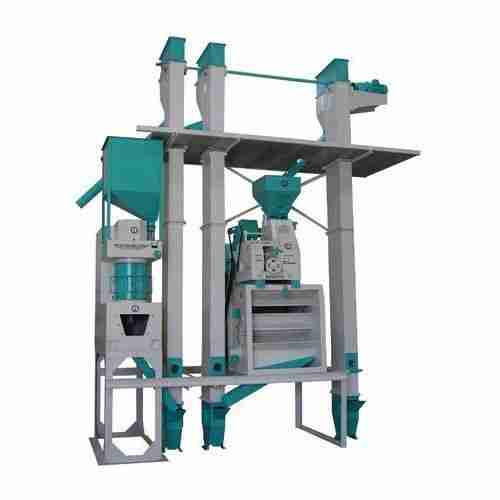
Understanding the Benefits of mini rice mill Plants
The implementation of mini rice mill plants offers a plethora of advantages for small-scale farmers and agricultural entrepreneurs. First and foremost, these compact milling units help in reducing post-harvest losses, ensuring that the maximum quantity of rice harvested is converted into a market-ready product. With precise milling and sorting technology, producers can achieve higher quality rice, enhancing both taste and market value. Moreover, mini rice mills minimize the need for transporting paddy over long distances, resulting in significant savings on fuel and transportation costs. The following factors highlight the benefits:
- Cost-Effectiveness: Lower installation and operational costs compared to larger mills.
- Quality Control: Enhanced control over the milling process yields superior rice quality.
- Local Employment: Creation of job opportunities in rural areas, contributing to local economies.
- Flexibility: Ability to operate on a smaller scale allows millers to adjust production based on demand.
Additionally, mini rice mill plants can be integrated with local farming practices to facilitate a more sustainable approach to agriculture. By utilizing locally sourced rice, these plants foster community engagement while reducing the carbon footprint associated with long-distance commodity transportation. The availability of these compact mills encourages self-sufficiency among farmers, empowering them to process their crops independently and retain a higher profit margin. Below is a simple comparison of traditional milling versus mini rice milling:
| Feature | Traditional Milling | mini rice mill |
|---|---|---|
| Investment Cost | High | Low |
| Processing Time | Long | Short |
| Quality Control | Moderate | High |
| Employment Opportunities | Limited | Increased |

Investing in Efficiency: Key Features to Consider
When venturing into mini rice mill plants, it’s essential to focus on features that enhance operational efficiency and optimize production. One critical aspect is the capacity of the mill. Depending on your expected output, selecting a mill with the appropriate capacity ensures that it meets your demand without overburdening the machinery. Additionally, consider the technology used in the milling process. Advanced technologies can lead to improved quality and lower breakdown rates, significantly impacting the overall productivity of your plant.
Another element to assess is the energy consumption of the equipment. High-efficiency models reduce operational costs while minimizing environmental impact. Look for mills that feature automated processes to reduce manual labor and increase consistency in output. Ease of maintenance is also a pivotal factor; machines that are straightforward to service can save time and cost in the long run. Ultimately, the selection of a mini rice mill plant should align with your specific operational goals and sustainability practices.
Navigating the Market: Choosing the Right Supplier
Embarking on the journey to invest in a mini rice mill plant requires careful consideration of various factors, primarily the selection of the right supplier. The decision should not be taken lightly, as the efficiency and quality of your operations will greatly depend on the machinery provided. When evaluating potential suppliers, focus on their reputation within the industry. A few key points to consider include:
- Experience: Look for suppliers with a proven track record in mini rice mill manufacturing.
- Customer Reviews: Seek testimonials and feedback from existing customers to gauge satisfaction.
- After-Sales Support: Ensure they offer robust technical support, spare parts availability, and maintenance services.
- Customization Options: Evaluate whether they can tailor their equipment to meet specific production needs.
Additionally, engage in direct communication with suppliers to discuss pricing and payment terms. This transparency will foster trust and open the door to potential negotiation. Creating a comparison table can be an invaluable tool in this process, enabling you to visualize important aspects side by side:
| Supplier | Experience (Years) | Customer Rating | Support Services Offered |
|---|---|---|---|
| Supplier A | 15 | 4.5/5 | 24/7 Support, Spare Parts |
| Supplier B | 10 | 4.0/5 | Technical Training, Maintenance |
| Supplier C | 8 | 3.8/5 | Basic Support |
By methodically assessing these elements, you will be better positioned to choose a supplier that aligns with your operational goals and values, ultimately ensuring a successful investment in your mini rice mill plant.
Maximizing Yield: Best Practices for Operation and Maintenance
To ensure optimal performance and longevity of mini rice mill plants, it’s essential to adhere to a set of best practices for operation and maintenance. Regular maintenance checks can prevent unforeseen breakdowns and extend the life of your equipment. This includes a systematic approach to assessing components such as the huskers, separators, and polishers. Key actions involve:
- Regularly cleaning the machines to remove dust and residues
- Inspecting wear parts and replacing them as needed
- Lubricating moving parts to minimize friction and wear
- Conducting periodic training sessions for staff on operational procedures
In addition to routine maintenance, optimizing operational practices significantly boosts yield. Emphasizing the efficiency of the milling process can drastically reduce losses and improve overall quality. Implementing a well-structured workflow is vital, including:
- Monitoring moisture levels of paddy pre-processing
- Adjusting machine settings based on the grain type to ensure proper milling
- Utilizing technology for real-time monitoring of output and quality
- Engaging in quality control checks to affirm the standards of the final product
Below is a table summarizing key areas to focus on for both operation and maintenance:
| Area | Best Practices |
|---|---|
| Maintenance | Regular inspections and cleanliness |
| Operational Efficiency | Adjust settings for optimal output |
| Quality Control | Conduct periodic checks |
In Retrospect
As we draw the curtain on our exploration of mini rice mill plants, it’s clear that these innovative setups are more than just machinery; they are catalysts for transformation in the agricultural landscape. By streamlining the rice milling process, these compact solutions empower farmers and small businesses alike, offering greater control, reduced waste, and enhanced quality. The potential for increased productivity and profitability can uplift entire communities, fostering a more sustainable approach to agriculture.
In a world that constantly seeks efficiency and sustainability, mini rice mill plants stand out as a beacon of opportunity. Whether you’re a seasoned rice producer or a budding entrepreneur, investing in such technology can be the key to unlocking new possibilities. As you contemplate your own harvest transformation, remember that the journey of innovation often begins with a small yet significant step. Now is the time to consider how a mini rice mill plant could redefine your agricultural practices, turning your harvest into a thriving venture for the future.



