
In the world of grains, rice stands as a staple that transcends cultures and cuisines, nourishing billions and forming the backbone of countless meals. Yet, behind every fluffy bowl of rice lies an intricate process of milling, a crucial step that transforms raw paddy into the quality grains we cherish. As the demand for premium rice continues to rise—both for home cooks and large-scale industries—the importance of choosing the right rice mill cannot be overstated. In this article, we embark on a journey to unveil the top rice mills, exploring their features, offerings, and capabilities. Whether you are a culinary enthusiast seeking the perfect grain for your kitchen or a business owner in search of reliable milling solutions, our curated list will guide you through the best options available today. Join us as we delve into the heart of rice milling, highlighting the innovators who are elevating this age-old process to meet the diverse needs of consumers everywhere.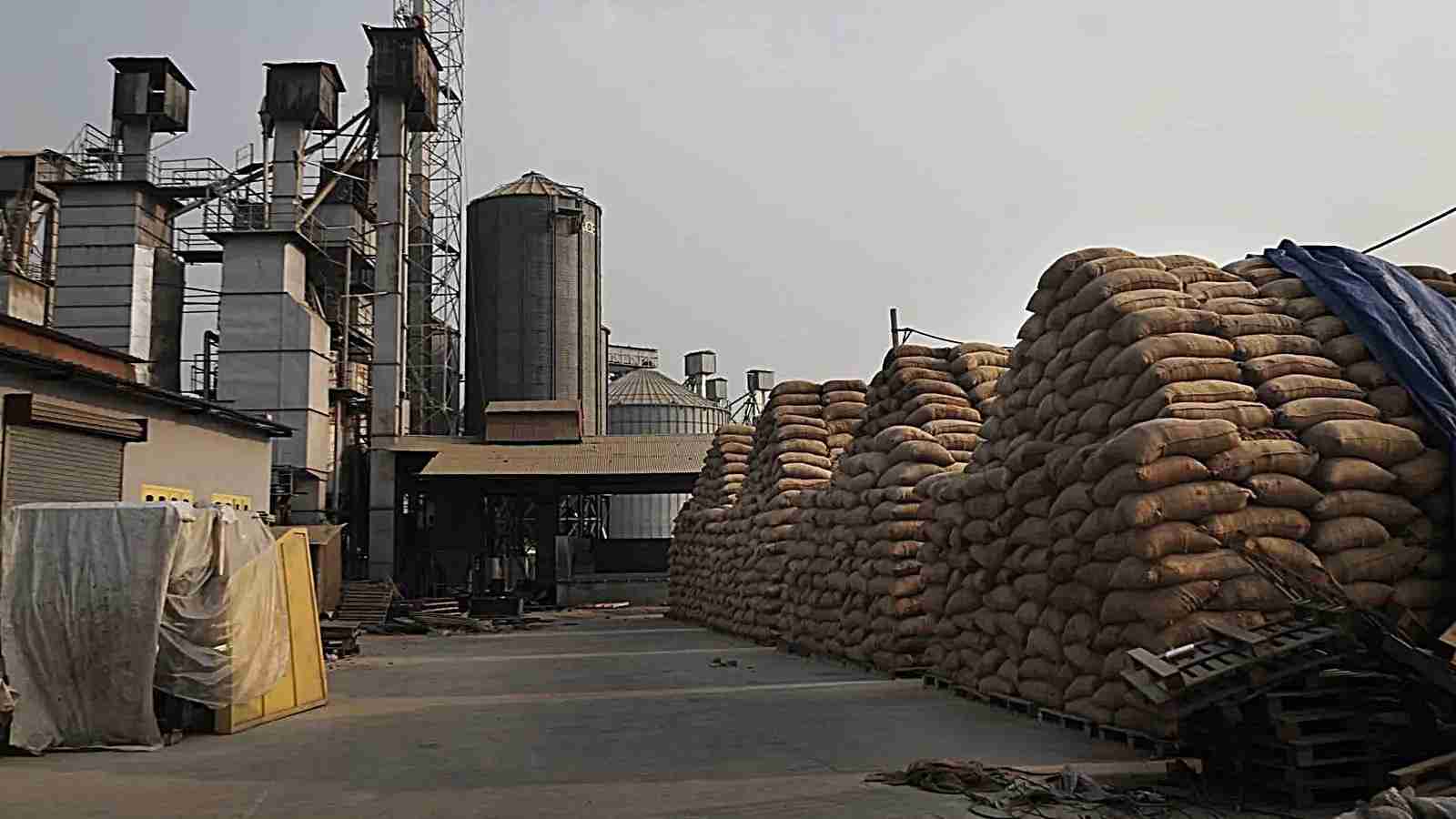
Exploring the Spectrum of Rice Mill Types for Diverse Applications
In the world of rice milling, diversity is key, accommodating various processing needs from home kitchens to large-scale industrial setups. Each type of rice mill is designed with unique capabilities that cater to specific grain handling and processing requirements. For instance, small-scale household rice mills offer convenience for personal use, enabling users to achieve freshly milled rice effortlessly. These models typically feature easy-to-operate mechanisms and compact designs, making them suitable for limited kitchen spaces. In contrast, industrial rice mills are engineered for high throughput and robust performance, using complex machinery that can handle large quantities of rice, ensuring uniform grain quality and efficiency.
Furthermore, the choice of a rice mill can depend on other factors such as technology and grain types. There are traditional stone mills, which are often preferred for their ability to retain the nutritional quality of rice. On the other hand, modern roller mills are renowned for their speed and capacity to produce polished rice. The classification of rice mills further extends to variations such as combined milling systems that integrate husking and polishing in a single unit, enhancing productivity. Here’s a quick comparison of different mill types:
| Mill Type | Best For | Key Features |
|---|---|---|
| Household Rice Mill | Home use | Compact, user-friendly, small capacity |
| Industrial Rice Mill | Large-scale production | High throughput, advanced technology |
| Combined Milling System | Efficiency | Husking and polishing in one |
| Traditional Stone Mill | Nutritional preservation | Retains natural nutrients, slower processing |
| Modern Roller Mill | Polished rice | High speed, uniform output |

Key Features That Distinguish High-Quality Rice Mills for Home Use
When selecting a rice mill for home use, several distinguishing features can significantly enhance the user experience and ensure high-quality output. Build Quality and Durability are paramount; look for mills made with sturdy materials that can withstand regular use. Capacity and Size also play an important role—choose a model that matches your household’s consumption while fitting conveniently in your kitchen space. Additionally, Energy Efficiency is crucial; modern rice mills often come equipped with energy-saving technology that reduces electricity usage without compromising performance.
Moreover, operators should consider the Versatility of the Machine—the ability to handle different varieties of rice and even other grains adds immense value. Ease of Use and Cleaning are vital for maintaining hygiene and convenience; a design that facilitates quick disassembly and reassembly can save time. Noise Levels during operation also deserve attention; quieter models ensure that meal preparation remains uninterrupted. reliable Customer Support and Warranty coverage can provide peace of mind, ensuring that help is readily available when needed.
| Feature | Importance |
|---|---|
| Build Quality | Ensures longevity |
| Capacity | Matches household needs |
| Energy Efficiency | Reduces electricity costs |
| Versatility | Handles various grains |
| Ease of Cleaning | Maintains hygiene |
| Noise Levels | Minimizes disruption |
| Customer Support | Provides assistance |
Industrial Powerhouses: Selecting Rice Mills for Commercial Success
When it comes to selecting rice mills for commercial endeavors, careful consideration of various factors can pave the way for enhanced efficiency and profitability. Quality is paramount; the mills should guarantee a consistent output of high-grade rice that meets industry standards. It’s essential to evaluate the technology employed in the milling process as well; modern rice mills often come equipped with automated systems that significantly reduce processing time while maximizing yield. Additionally, the capacity of the mill must align with your production needs, ensuring that it can handle the volume while maintaining quality.
Beyond the machinery itself, it is crucial to assess the after-sales support and services offered by the manufacturer. A reliable supplier should provide comprehensive maintenance packages, ensuring the longevity and perfect functioning of the equipment. Moreover, energy efficiency and cost-effectiveness must not be overlooked. Choosing mills that optimize energy usage can lead to significant reductions in operational costs over time. Below is a brief comparison to illustrate some of the key features to consider when evaluating top rice mills:
| Rice Mill Model | Processing Capacity (kg/h) | Technology Type | Energy Efficiency | After-Sales Support |
|---|---|---|---|---|
| Model A | 1000 | Automated | High | 2 Years |
| Model B | 800 | Semi-Automated | Medium | 1 Year |
| Model C | 1500 | Fully Automatic | Very High | 3 Years |
Sustainability and Innovation: The Future of Rice Milling Technology
As the global demand for rice continues to grow, the rice milling industry is undergoing a significant transformation, embracing sustainability and cutting-edge technology. New innovations in energy-efficient machinery, water conservation systems, and waste reduction processes are now part of the contemporary rice milling landscape. These advancements not only boost productivity but also minimize the environmental impact of rice processing. Key innovations include:
- Solar-Powered Mills: Utilizing renewable energy sources to power milling operations.
- Water Recycling Systems: Implementing filtration and recycling to reduce water usage during processing.
- Biomass Utilization: Converting rice husks and other by-products into energy or organic fertilizers.
Moreover, automated control systems and IoT-enabled devices facilitate real-time monitoring, enhancing efficiency and quality control. By adopting smart technology, rice mills can optimize their operations, ensuring that every grain is milled to perfection while adhering to strict sustainability standards. The future of rice milling not only relies on traditional techniques but is increasingly defined by digital integration, lower carbon footprints, and circular economy practices. A glimpse into some leading rice milling technologies showcases:
| Technology | Benefits |
|---|---|
| Energy-Efficient Mills | Lower operational costs and reduced emissions. |
| Smart Milling Systems | Precision processing with improved yield rates. |
| Waste-to-Energy Solutions | Turning waste into a resource, promoting sustainability. |
In Conclusion
As we wrap up our exploration of the top rice mills tailored for both home and industry needs, it’s clear that the heart of rice milling extends beyond mere machinery. It embodies a blend of tradition and innovation, efficiency and quality. The mills we’ve highlighted exemplify the best in technology, sustainability, and user-friendliness, catering to a diverse array of rice enthusiasts—from the everyday chef to large-scale agricultural enterprises.
Whether you seek the perfect grain for a family meal or require high-capacity solutions for commercial production, the right rice mill is essential in unlocking the potential of this staple grain. We hope this guide has illuminated the paths to your rice milling solutions, enabling you to make informed decisions that suit your culinary aspirations and operational demands alike.
As you embark on your purchasing journey, remember that the best rice mill for you is not solely defined by its features but by how well it helps you cultivate flavor and nourishment in every grain. Here’s to the rich legacy of rice and the mills that preserve its quality, ensuring every meal is a delightful experience. Happy milling!



