
In a world where food security and sustainability are paramount, the humble rice grain holds an unparalleled significance. Among the myriad ways to harness its potential, mini rice millers emerge as a beacon of innovation. These compact powerhouses are not just tools; they represent a revolution in food production, providing small-scale farmers with the means to process their harvest efficiently and independently. By transforming paddy into polished rice with precision and speed, mini rice millers empower communities, reduce post-harvest losses, and enhance livelihoods. As we delve into the intricate workings and benefits of these machines, we unlock the story of how a simple concept can ripple through economies, promote self-sufficiency, and ensure that the power of grain truly fuels the future.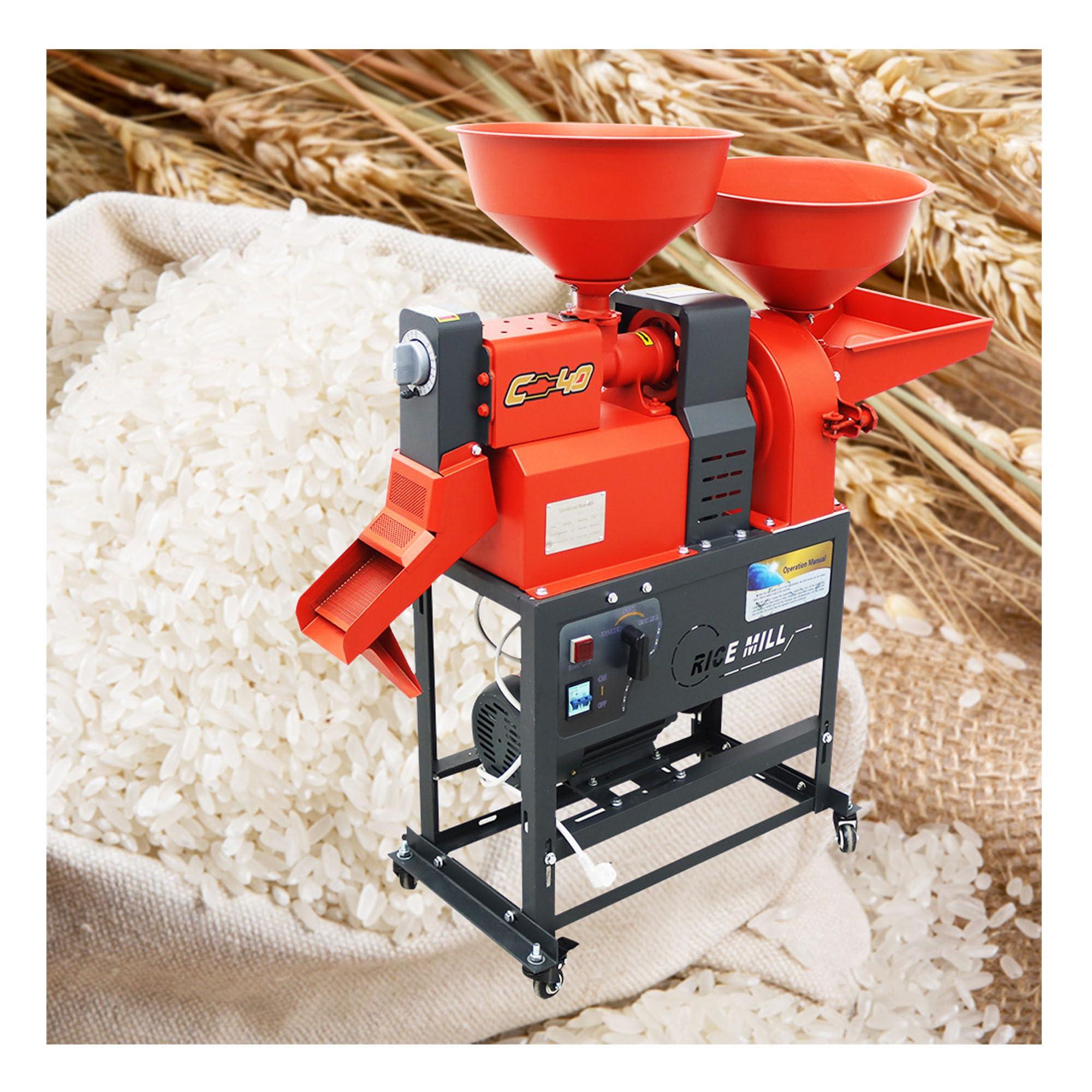
The Role of Mini Rice Millers in Sustainable Agriculture
The rise of mini rice millers is reshaping the landscape of sustainable agriculture by offering localized processing solutions that empower small-scale farmers. These compact, efficient milling units minimize the reliance on large, industrial operations, allowing farmers to retain more of their profits while reducing the carbon footprint associated with transporting raw grains to distant processing facilities. By processing rice closer to the source, mini rice millers also contribute to enhanced food security, as they facilitate quicker access to freshly milled rice, ensuring that communities can enjoy high-quality grains without prolonged delays.
Furthermore, mini rice millers promote sustainable practices by encouraging the use of by-products such as husk and bran. Farmers can engage in practices that utilize these materials for compost, animal feed, or energy production, creating a circular economy within their communities. The benefits of this approach are multifaceted:
- Resource Conservation: Reducing waste through the repurposing of milling by-products.
- Economic Growth: Supporting local job creation in milling and related sectors.
- Community Sustainability: Enhancing food security and self-sufficiency among local populations.
As the agricultural community pivots towards more sustainable models, mini rice millers stand out as champions of innovation. They not only enable farmers to gain control over their produce but also support the ecosystem by integrating sustainable practices into their operations. This not only benefits the farmers involved but also fosters a more resilient agricultural sector capable of adapting to the challenges of climate change and market fluctuations.
Maximizing Productivity: Best Practices for mini rice mill Operations
To optimize the operations of mini rice mills, it’s essential to implement systematic approaches that enhance efficiency and streamline processes. Regular maintenance of machinery should be prioritized to prevent unexpected downtime, thus ensuring continuous production. Operators should also establish a workflow that minimizes physical strain and maximizes output—this can include optimal placement of tools and equipment for seamless access. Consider training sessions for staff to enhance their expertise in handling equipment and addressing common issues, fostering a culture of problem-solving and innovation.
Moreover, adopting technology can lead to significant gains in productivity. Automation tools can be integrated into various stages of the milling process, reducing manual labor and increasing consistency in quality. A data-driven approach can illuminate process bottlenecks, enabling quicker decision-making. Here’s a simple table summarizing key technology benefits for mini rice mill operations:
| Technology | Benefit |
|---|---|
| Automated Cleaners | Reduces manual cleaning time, increasing operational efficiency |
| Quality Control Sensors | Ensures consistent grain quality, minimizing waste |
| Production Management Software | Streamlines scheduling and inventory tracking for better resource allocation |
By fostering a mindful approach to operation improvements, mini rice millers can not only elevate their productivity but also create a more sustainable and profitable business model. Collaboration between mill operators and stakeholders is crucial for sharing insights and continuously refining practices, ensuring that every production cycle leads to increased efficacy and profitability in the highly competitive grains market.
Economic Impact: Enhancing Livelihoods Through Local Milling Solutions
The introduction of local milling solutions has proven to be a transformative force in enhancing the livelihoods of communities. By leveraging mini rice millers, farmers can reduce post-harvest losses significantly while obtaining a higher value for their produce. Local milling not only empowers agricultural stakeholders but also fosters a sustainable economic ecosystem. The benefits can be seen in various areas, including:
- Increased Income: Farmers receive better prices for freshly milled rice, allowing for enhanced family wellbeing.
- Job Creation: Mini mills often require local staff for operations, thereby creating employment opportunities within the community.
- Reduced Transportation Costs: By milling their grain locally, farmers save on transportation expenses associated with sending unprocessed grains to distant milling centers.
Furthermore, the economic ripple effect of having access to local milling solutions can be profound. Communities become less reliant on external markets and can retain more of their financial resources within the local economy. Investing in such infrastructure promotes self-sufficiency and resilience, leading to a reduction in poverty levels and improved food security. The impact can be summarized in the following table:
| Impact Area | Description |
|---|---|
| Increased Local Income | Higher prices for milled products boost farmer revenue. |
| Employment Opportunities | Job creation in mill operations enhances local workforce. |
| Sustainable Practices | Supports eco-friendly milling techniques that benefit the environment. |
Future Innovations: Adapting Mini Rice Mills to Meet Market Demands
As the agricultural landscape continues to evolve, mini rice mills are poised for transformation, incorporating cutting-edge technologies to enhance efficiency and sustainability. The integration of smart monitoring systems and IoT connectivity allows mill operators to track production metrics in real-time, ensuring quality control and minimizing waste. These innovations cater to the pressing market demands for transparency and traceability, enabling millers to provide end consumers with detailed information about the sourcing and processing of their products. Additionally, energy-efficient designs and renewable energy sources will help reduce the carbon footprint of mini rice mills, aligning production practices with global sustainability goals.
In order to adapt to the changing preferences of consumers and the challenges posed by climate change, mini rice mills must also focus on diversification and product enhancement. Offering value-added products such as brown rice, rice flour, and fractionated rice can open new revenue streams and appeal to health-conscious buyers. Furthermore, adopting automation technologies can streamline operations, reducing labor costs and increasing throughput. The following table outlines potential innovations and their corresponding benefits:
| Innovation | Benefits |
|---|---|
| IoT Connectivity | Real-time monitoring & quality assurance |
| Energy-efficient Systems | Reduced operational costs & environmental impact |
| Value-added Products | Increased market appeal & profitability |
| Automation | Enhanced efficiency & reduced labor dependency |
The Conclusion
In a world where food security and sustainability are increasingly at the forefront of global discussions, the evolution of mini rice millers represents a significant step towards more efficient agricultural practices. By harnessing technology and innovation, these compact milling systems not only empower local farmers but also enable communities to take charge of their grain processing. As we have explored, the benefits extend beyond just efficiency; they encapsulate economic viability, reduced waste, and improved quality of life for countless individuals.
As we look to the future, the integration of mini rice millers into our agricultural landscape could very well be a game-changer. This is not merely about rice; it’s about the potential to transform how we think about food production and distribution. Ultimately, by embracing these efficient grains, we can cultivate a more resilient food system—one that meets the needs of today while nurturing the promise of tomorrow. As we move forward, let us keep the momentum alive, exploring further innovations that will allow us to unleash the full potential of our resources, ensuring that no one is left behind in our quest for sustainability and prosperity.



