
Unlocking the Secrets of Rice Mills: A Grain Journey
In the heart of countless landscapes, from lush paddies to bustling market streets, the journey of rice unfolds—a tale woven into the fabric of cultures and cuisines across the globe. Yet, behind the glamorous allure of this staple grain lies a world often overlooked: the intricate processes and towering structures of rice mills. These establishments, with their hum of machinery and clouds of dust, are the unsung champions of the grain’s transformation from field to fork. In this article, we delve deep into the inner workings of rice mills, unveiling the secrets that turn raw grains into the polished, delicate rice we know and love. Join us on a voyage through time and technique, as we explore the complexities, challenges, and innovations that define the rice milling industry, illuminating the journey of one of the world’s most essential foods.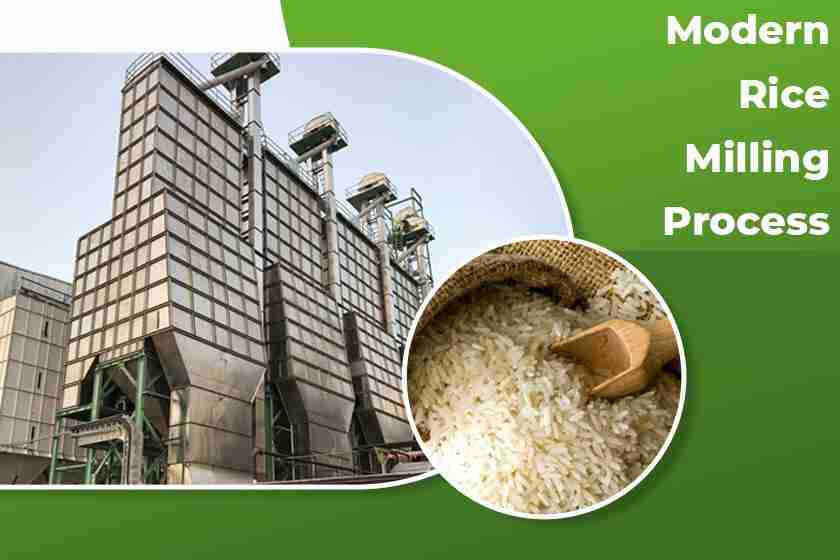
Understanding the Rice Milling Process from Field to Finish
Rice milling transforms freshly harvested paddy into the polished grains that grace our tables, a journey that begins in the fields. Once farmers harvest the rice, the grains undergo a careful process of drying to prevent spoilage. After drying, the paddy is sent to the mill where it faces a series of steps: cleaning, hulling, and milling. These stages are critical in ensuring that the grains maintain their nutritional value while achieving optimal texture and appearance. Each step is essential:
- Cleaning: Removal of impurities such as stones, dust, and other foreign materials.
- Hulling: The outer husk of the paddy is removed, leaving behind the brown rice.
- Milling: This process involves the removal of bran and germ to produce white rice, although the whole grain remains popular among health-conscious consumers.
Once milled, the rice may undergo polishing to enhance its visual appeal, adding a delicate luster that many associate with quality. This end stage is where rice can also be graded based on size and quality standards. To illustrate the differences, consider the following:
| Grade | Description |
|---|---|
| Premium | High-quality grains with minimal defects and uniform size. |
| Standard | Acceptable quality with some minor imperfections. |
| Low-grade | Contains broken grains and other imperfections. |
By the end of this meticulous process, we achieve not just a staple food item, but a legacy of tradition, technology, and care in every grain. Understanding each phase helps consumers appreciate the journey of rice from the field to our plates, revealing the secrets behind what makes this grain a beloved staple across cultures.

Essential Technologies Transforming Rice Mill Operations
The landscape of rice mill operations is undergoing a revolutionary transformation, largely driven by cutting-edge technologies. At the heart of this evolution is the integration of automation and advanced machinery, which minimizes manual labor while enhancing efficiency and output. Automated systems streamline various processes, from paddy sorting and cleaning to husking and milling, by ensuring precision and reducing waste. Furthermore, the adoption of smart sensors enables real-time monitoring of machinery health and grain quality, allowing millers to make informed decisions and avoid costly downtimes. This combination of automation with intelligent analytics facilitates a smoother grain processing journey.
An equally significant player in modern rice milling is data analytics and cloud computing. With the ability to gather and analyze vast amounts of data, rice mill operators can forecast production trends, optimize supply chains, and improve inventory management. Mobile applications also empower millers with tools to track metrics such as yield performance and market pricing from anywhere, ensuring they stay competitive. Moreover, the introduction of biotechnology in grain quality enhancement bolsters the nutritional profile of rice, catering to an increasingly health-conscious consumer base. Together, these technologies are not merely innovations; they represent a paradigm shift that is setting new benchmarks for productivity and sustainability in the rice milling industry.
Quality Control Methods to Ensure Premium Grain Output
To achieve superior grain quality, rice mills implement a series of rigorous control methods that ensure each batch meets the highest industry standards. These measures often begin at the very source of the grain, focusing on the selection of seeds. By opting for premium seed varieties that are resistant to pests and diseases, mills lay a solid foundation for an impressive harvest. Additionally, the cultivation practices are monitored, ensuring that nutrient-rich fertilizers and sustainable irrigation techniques enhance grain growth without compromising environmental health. Regular soil testing and crop rotation are also employed to maintain soil fertility and enhance yields.
Once the rice is harvested, meticulous handling processes are put into place. Key quality control techniques include:
- Visual Inspection: A careful examination of each grain batch for color uniformity and defect identification.
- Moisture Assessment: Utilizing advanced moisture meters to prevent spoilage and ensure optimal storage conditions.
- Grading Systems: Employing standardized grading protocols to classify rice by size, shape, and quality.
- Laboratory Testing: Conducting periodic tests for contaminants and nutritional content to ensure compliance with health regulations.
These practices culminate in a systematic approach that not only enhances product quality but also builds trust with consumers. Each mill may also maintain specific metrics, such as:
| Quality Metric | Target Standard |
|---|---|
| Moisture Content | 12-14% |
| Impurity Level | Less than 2% |
| Grain Length | ≥ 6.5 mm |
| Protein Content | ≥ 7% |
Through these quality control methods, rice mills transform raw grain into premium products, ensuring culinary excellence and satisfaction for every consumer.
Sustainable Practices for Eco-Friendly Rice Milling
The rice milling process has evolved significantly, and with that evolution, the adoption of environmentally friendly practices has become essential. Embracing sustainable practices not only benefits the planet but can also enhance the quality of rice production. Key strategies include:
- Water Conservation: Implementing efficient water recycling systems that reduce waste and ensure minimal water usage.
- Energy Efficiency: Utilizing renewable energy sources, such as solar or biomass, to power milling operations and reduce reliance on fossil fuels.
- Waste Management: Creating systems to repurpose by-products, such as rice husks, into animal feed or biofuel, thus minimizing landfill contributions.
Furthermore, continuous education and innovation play a crucial role in the advancement of eco-friendly milling techniques. Collaborations among mill operators, local farmers, and environmental organizations can foster the implementation of cutting-edge solutions. Consider the following initiatives:
| Initiative | Description |
|---|---|
| Organic Certifications | Encourage the use of organic farming practices to ensure the rice is grown without harmful chemicals. |
| Community Workshops | Host workshops that educate local farmers on sustainable techniques and the benefits of eco-friendly milling. |
The Conclusion
As we conclude our exploration of rice mills and the intricate journey of this humble grain, it becomes clear that there is more to rice than meets the eye. From the lush fields where it is cultivated to the bustling mills that transform it into the staple we know and love, each step in this process is a testament to both nature’s bounty and human ingenuity.
Unlocking the secrets of rice mills reveals not just the technical mastery behind milling but also a rich tapestry of culture, tradition, and innovation. The stories of farmers and millers intertwine with the grain itself, illustrating a remarkable relationship that sustains communities around the globe.
As you reflect on this journey through the world of rice, consider the role it plays on your dining table and in the lives of countless individuals who depend on it for their livelihoods. In every grain of rice lies a narrative waiting to be told, a reminder of the connections that bind us all through the simple act of nourishment.
So, as you savor your next bowl of rice, remember the journey it undertook to reach you — a journey enriched by history, passion, and the unwavering spirit of those who dedicate their lives to this essential grain. Here’s to the ongoing journey of rice, from field to fork, as it continues to nourish and inspire us all.



