
In the heart of bustling agricultural landscapes, where the golden waves of rice paddies sway gracefully under the sun, a transformation is quietly taking place. The age-old process of milling rice—once a labor-intensive task that required the might of larger machinery—is evolving with the advent of mini rice milling machines. These compact marvels of engineering promise not only to enhance efficiency but also to empower local farmers and small-scale processors. As we delve into the world of mini rice milling machines, we will explore how these innovative tools are revolutionizing grain processing, making it more accessible and sustainable. Join us on a journey to uncover the impact of this technology on the rice industry, and how it is shaping the future of food production, one grain at a time.
Understanding the Mechanics of Mini Rice Milling Machines
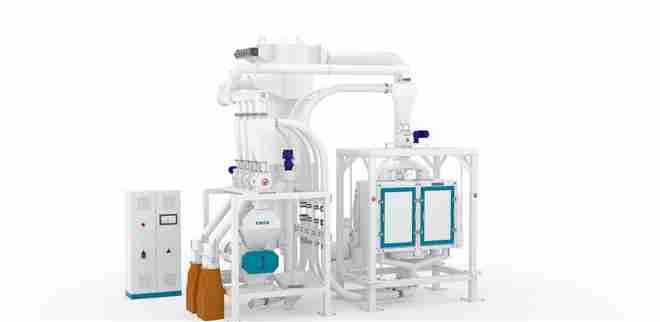
The operation of mini rice milling machines involves a precise combination of equipment and processes that work together to yield polished rice from paddy. At the heart of this mechanism is the hulling unit, which removes the outer husk from the paddy. This initial phase is critical as it sets the stage for the entire milling process. The machine then employs a milling chamber, where the dehusked rice undergoes further processing. Here, the rice is polished, with the use of friction and abrasion between grains. This step not only enhances the appearance but also improves the overall quality. Key components of this process include:
- Husk Separator: Efficiently separates husk from the grain.
- Polishing Cylinder: Adds shine to the rice, making it appealing for consumers.
- Grain Elevator: Transfers rice between different units in the machine.
Mini rice milling machines are engineered to optimize each of these components, ensuring a seamless operation. An important aspect of understanding how these machines work lies in their control systems. Most modern units feature automated controls that allow for adjustment based on the type of rice being processed, ensuring minimal breakage and waste. Below is a brief overview of the typical specifications found in a mini rice milling machine:
| Feature | Description |
|---|---|
| Capacity | Typically ranges from 100 to 500 kg/hour |
| Power Source | Electric, Diesel, or Gasoline options |
| Dimensions | Compact design for easy operation and transport |
The Benefits of Compact Milling Solutions for Small Scale Farmers
For small-scale farmers, the implementation of compact milling solutions significantly enhances operational efficiency. These mini rice milling machines are designed to be user-friendly and require minimal space, making them ideal for farmers with limited resources. The ability to handle smaller batches allows farmers to mill grains on demand, ensuring maximum freshness and quality in the finished product. Furthermore, by eliminating the need for large, centralized milling facilities, smallholders can reduce transportation costs and time, directly impacting their profitability.
Beyond operational efficiency, these compact machines contribute to sustainability and self-sufficiency within farming communities. Key benefits include:
- Reduced Post-Harvest Loss: By milling grains promptly, farmers can significantly decrease spoilage and waste.
- Higher Grain Quality: Controlled milling processes safeguard the nutritional value of the rice, resulting in better quality output.
- Job Creation: Local milling operations can provide employment opportunities within the community, promoting economic growth.
- Improved Access to Markets: Farmers can sell directly processed grains, often fetching better prices compared to unprocessed products.
| Feature | Compact Milling Solutions |
|---|---|
| Space Requirement | Minimal |
| Batch Size | Small |
| Operational Cost | Low |
| Return on Investment | High |
Maximizing Output and Quality: Best Practices in Rice Processing
In the realm of rice processing, leveraging advanced technology is paramount for achieving optimal efficiency and superior product quality. Mini rice milling machines stand out as a revolutionary solution, designed to enhance output while maintaining the integrity of the grains. By employing best practices, operators can ensure their milling processes yield premium rice with minimal waste. Here are some strategies to consider for maximizing productivity:
- Regular Maintenance: Keep machinery in top condition to prevent breakdowns and enhance performance.
- Choose the Right Equipment: Select mini mills tailored to your specific production needs and grain types.
- Effective Drying Techniques: Proper pre-processing drying can greatly reduce moisture content, allowing for higher quality milling.
- Quality Control Measures: Implement inspection protocols to detect and discard impurities early in the process.
Understanding the intricacies of modern milling systems can greatly impact both output and quality. For instance, the integration of precision technology in mini mills allows for the customization of milling settings, adjusting parameters such as milling pressure and speed. This adaptability fosters a tailored approach catering to different varieties of rice. Below is a table showcasing some key specifications of popular mini rice milling machines:
| Model | Output (kg/h) | Power Consumption (kW) | Features |
|---|---|---|---|
| Mini Mill A | 300 | 5 | Compact design, low noise |
| Mini Mill B | 500 | 7 | Automatic feeding, energy-efficient |
| Mini Mill C | 700 | 10 | Multi-grain processing, easy maintenance |
Incorporating these practices will not only streamline operations but also elevate the quality of the final product, ensuring that consumers receive the best rice possible. By focusing on efficiency and adaptability, rice mill operators can thrive in an increasingly competitive market.
Innovative Technologies Shaping the Future of Grain Milling
As the global demand for more efficient food production methods rises, mini rice milling machines have emerged as a revolutionary solution in the grain milling industry. These compact, high-performance machines offer significant advantages over traditional milling techniques by integrating innovative technologies that enhance efficiency and reduce waste. The application of automatic feeding systems and precision milling capabilities allows these machines to produce high-quality rice while minimizing the time and energy required for processing. Their ability to operate in smaller spaces makes them ideal for local farmers and small-scale businesses, promoting sustainability and self-sufficiency in rural areas.
Moreover, the incorporation of smart technology has transformed the operation of mini rice milling machines. Features such as remote monitoring, data analytics, and user-friendly interfaces enable operators to make informed decisions that optimize production. The efficiency of these machines is further supported by reducing the carbon footprint through energy-efficient designs and lower water usage. To illustrate the impact of these innovations, consider the following table comparing traditional milling methods with mini rice milling machines:
| Feature | Traditional Milling | Mini Rice Milling Machines |
|---|---|---|
| Space Requirement | Large | Compact |
| Energy Consumption | High | Low |
| Processing Time | Long | Quick |
| Output Quality | Variable | Consistent |
With their ability to streamline operations and improve outcomes, mini rice milling machines are not just optimizing production—they are paving the way for a more sustainable and economically viable future in grain milling.
Wrapping Up
the evolution of rice milling technologies, particularly through the advent of mini rice milling machines, signifies a remarkable shift towards enhanced efficiency and sustainability in grain processing. These compact powerhouses not only democratize access to modern milling techniques for smallholder farmers and rural entrepreneurs but also contribute to the preservation of rice quality and nutritional value. As we witness the integration of innovative machinery into traditional practices, it becomes evident that the future of grain transformation lies in harmonizing technology with the time-honored wisdom of agriculture. By embracing these advancements, we can cultivate a more resilient food system that meets the demands of our growing population while honoring the heritage of one of the world’s staple foods. The journey of rice—from field to table—has never been more promising, and as we continue to invest in efficient milling solutions, we pave the way for a more sustainable and prosperous agricultural landscape.



