
Unlocking Potential: The Complete Rice Milling Machine Guide
In the vast landscape of agriculture, few crops hold as much significance as rice. As a staple food for over half of the world’s population, the journey from paddy to plate is a meticulous process, intricately woven into the fabric of various cultures and economies. At the heart of this transformation lies the rice milling machine—an innovative tool that unlocks the full potential of rice grains. This comprehensive guide delves into the world of rice milling machines, exploring their intricate designs, operational mechanics, and the technological advancements that continue to shape the industry. Whether you’re a seasoned miller, a budding entrepreneur, or simply curious about the process, this article aims to illuminate the pivotal role these machines play in enhancing efficiency, quality, and sustainability in rice production. Join us as we embark on a journey to uncover the essentials of rice milling, empowering you with the knowledge to navigate this vital sector with confidence.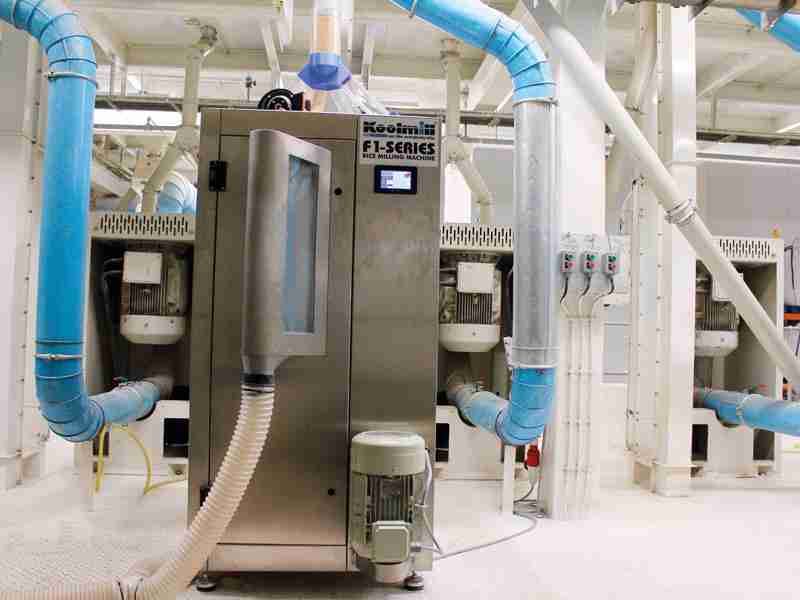
Choosing the Right Rice Milling Machine for Your Needs
When selecting a rice milling machine, it’s essential to consider several factors to ensure you choose one that aligns with your production needs. Start by evaluating the capacity required for your operation; machines come in various sizes, ranging from small, portable units for home use to larger industrial models designed for high-volume processing. Think about power source options—electric or diesel—and how they fit with your available resources. Additionally, pay attention to durability and construction materials, as these will influence the longevity and maintenance needs of the machine.
Another critical consideration is the features offered by different models. Look for options that provide versatility, such as adjustable settings for different rice types or integrated polishing units that improve the final product’s quality. It’s also wise to prioritize machines with user-friendly interfaces, as they simplify operations and training for staff. Before making a purchase, consider consulting user reviews or performance ratings, as these can provide invaluable insights. Lastly, don’t overlook the importance of after-sales service and availability of spare parts, which are crucial to keeping your operations running smoothly.
| Factor | Consideration |
|---|---|
| Capacity | Match with production needs |
| Power Source | Electric or diesel compatibility |
| Durability | Material quality affects longevity |
| Features | Adjustable settings and polishing |
| User Interface | Ease of use for training staff |
| Service | After-sales support and parts availability |

Understanding the Milling Process: Key Components Explained
To fully grasp the intricacies of rice milling, it’s essential to delve into the key components that make up the milling process. Each part plays a pivotal role in transforming paddy into polished rice, ensuring optimal quality and minimal wastage. Core components include:
- Brown Rice Separator: This device is crucial for effectively separating hulled brown rice from the unhulled paddy.
- Milling Machine: Central to the process, it comprises a series of components that work together to remove bran layers and polish the rice grains.
- Airflow System: Essential for cooling down the milled rice and removing any residual husk particles, promoting a cleaner product.
- Grain Cleaners: Important for eliminating impurities and ensuring only the best raw materials enter the milling process.
These components are designed to work in harmony, ensuring efficient processing. The milling system can be categorized into various stages, as shown in the table below, each featuring specific functions that contribute to the overall workflow:
| Stage | Description |
|---|---|
| Pre-cleaning | Initial removal of impurities and foreign materials. |
| Hulling | Separation of husks from brown rice using friction. |
| Polishing | Refining the rice surface for superior quality. |
| Grading | Sorting rice by size and quality before packaging. |
Maximizing Efficiency: Maintenance Tips and Best Practices
To ensure your rice milling machine operates at peak performance, implementing a routine maintenance schedule is crucial. Regularly check and clean the machine to prevent dust and rice husk accumulation, which can hinder efficiency. Important maintenance tasks include:
- Daily Inspection: Look for signs of wear and tear on belts and gears.
- Lubrication: Apply the appropriate lubricant to moving parts as per the manufacturer’s guidelines.
- Assembly Check: Ensure that all components are tightly secured to avoid unnecessary vibrations.
In addition to routine checks, adopting best practices in operation will extend the life of your equipment. Train operators to run the machine at optimal speeds for the rice type being milled, as variations can lead to increased friction and heat. Monitor grain input levels closely and aim for a consistent flow to prevent jamming. The following table highlights the recommended settings for different rice types:
| Rice Type | Optimal Speed (RPM) | Input Flow Rate (kg/h) |
|---|---|---|
| White Rice | 1200 | 200 |
| Brown Rice | 1000 | 150 |
| Jasmine Rice | 1100 | 180 |
Exploring Advanced Technologies in Rice Milling Machines
In the realm of rice milling, advanced technologies are transforming the way grains are processed, ensuring higher yields and improved quality. Modern rice milling machines now integrate features such as automated control systems, which help in precisely managing the milling process. These systems not only reduce human error but also optimize the settings for different rice varieties, ensuring that each grain is processed to perfection. Furthermore, many machines employ advanced sorting technologies, utilizing artificial intelligence to identify and separate impurities from the final product, thereby enhancing the overall quality of the rice.
Another significant advancement comes in the form of energy-efficient designs, where manufacturers are focusing on minimizing resource consumption while maximizing performance. Innovations such as induction heating and vibration-based separation have become common, significantly reducing operating costs and environmental impact. A comparison table below illustrates some key features of current top-tier rice milling technologies, emphasizing their benefits:
| Feature | Description | Benefit |
|---|---|---|
| Automated Control | Smart systems for precision milling | Consistency and reduced labor costs |
| AI Sorting | Intelligent impurity detection | Enhanced quality and cleanliness |
| Energy-Efficient Design | Low energy consumption technologies | Cost savings and eco-friendliness |
This synergy of automation and innovation highlights a significant leap in the rice milling industry, paving the way for more efficient production methods. Furthermore, as sustainability becomes a primary concern, these technologies not only meet market demands but also contribute positively to environmental preservation. The future of rice milling is not just about processing grains; it’s about doing so in a manner that aligns with modern agricultural practices while maintaining quality and efficiency.
Closing Remarks
As we conclude our exploration into the world of rice milling machines, we hope this guide has illuminated the intricate processes and technologies that transform raw grains into the staple food enjoyed around the globe. Whether you are a seasoned rice mill operator, a budding entrepreneur, or simply an enthusiast eager to learn more, understanding these machines is key to unlocking the potential of this vital industry.
The journey through the rice milling process reveals not only the science behind the machinery but also the artistry involved in achieving optimal results. From selecting the right equipment to mastering the nuances of operation and maintenance, every detail plays a crucial role in ensuring efficiency and quality.
As you embark on your own rice milling endeavors, remember that each step you take contributes to a larger narrative of food security and sustainability. May this guide serve as a trusted companion on your path, empowering you to make informed decisions and ultimately, to flourish in the rich tapestry of rice milling. Here’s to the future of rice processing—where innovation meets tradition, and potential is unlocked with every grain.



