
In a world where culinary traditions and nutritional needs intertwine, rice stands as a universal staple, nourishing billions across the globe. Yet, few pause to ponder the remarkable journey of this humble grain—from the verdant fields where it sways in the wind to the elegantly plated dishes that grace our tables. “From Grain to Plate: The Art and Science of Rice Processing” delves into the intricate process that transforms raw paddy into the fluffy, fragrant grains we so often take for granted. This exploration not only highlights the age-old techniques passed down through generations but also unveils the cutting-edge innovations that enhance efficiency and sustainability in rice production. Join us as we navigate through the stages of rice processing, unveiling the artistry and science that lie behind every grain, connecting cultures, cuisines, and communities in the most unexpected ways.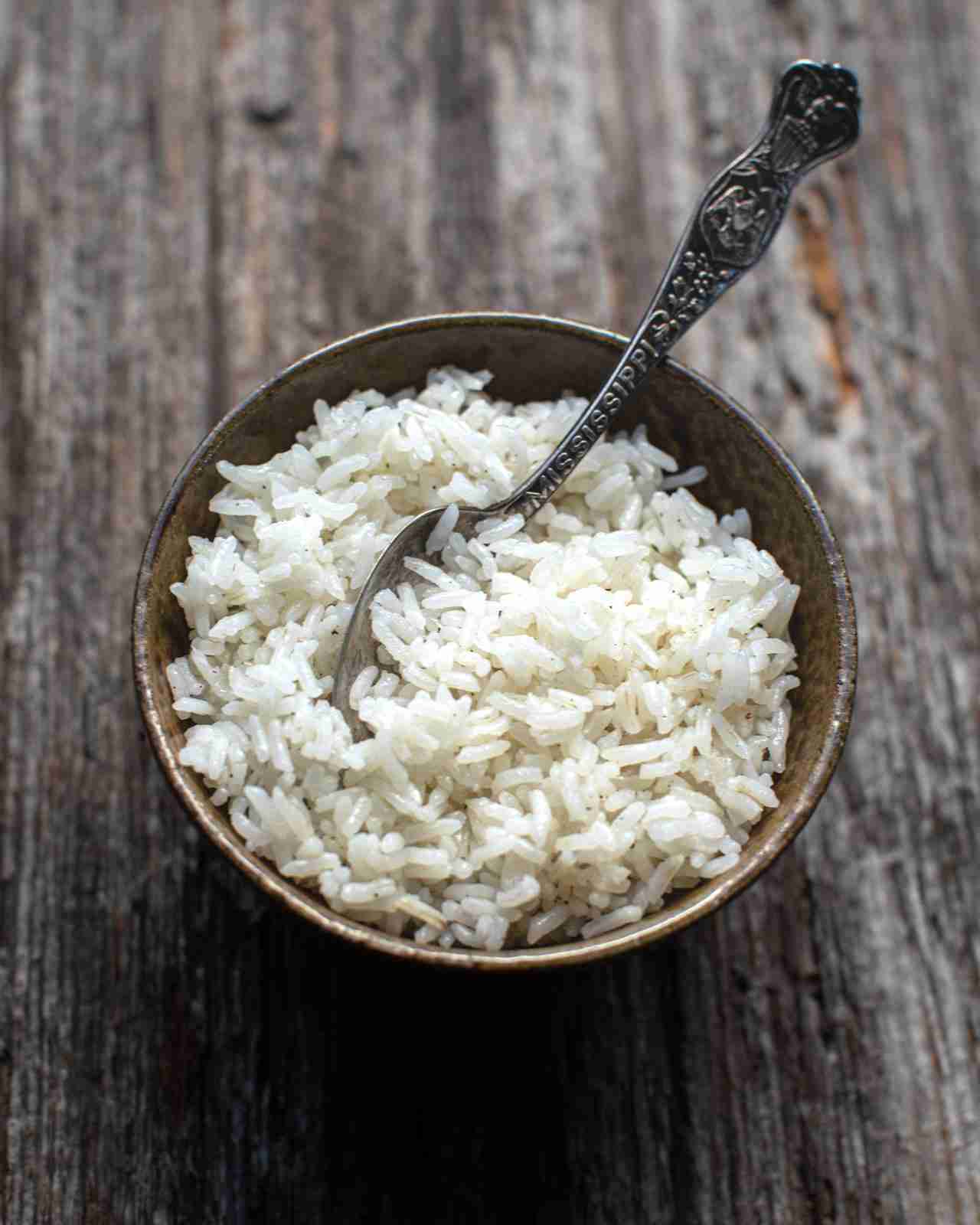
Understanding the Journey of Rice: Cultivation to Consumption
The journey of rice from cultivation to consumption begins in the verdant fields where every grain holds the promise of nourishment. Farmers, guided by age-old traditions and modern technologies, carefully select rice varieties best suited to their climate and soil. Key stages in the growth process include:
- Seed Selection: Choosing high-yield, disease-resistant seeds is essential for a successful harvest.
- Land Preparation: Fields are meticulously prepared, ensuring the right texture and nutrient levels in the soil.
- Irrigation Management: Water plays a crucial role; farmers carefully manage irrigation to optimize plant growth.
- Harvesting: Timing is critical, as rice is harvested when grains reach peak ripeness, ensuring maximum flavor and texture.
Once the rice is harvested, the next phase involves meticulous processing to convert raw grains into the polished products we find in our kitchens. This process encompasses several steps, each vital in preserving the nutritional value and flavor of rice. Common processing stages include:
| Processing Stage | Purpose |
|---|---|
| Drying | Reduces moisture content to prevent spoilage and improve storage lifespan. |
| Milling | Removes husks and bran layers to produce white rice while retaining essential nutrients. |
| Polishing | Enhances the appearance of rice, providing a shiny finish. |
| Packaging | Protects the final product from contaminants and aids in transportation to markets. |
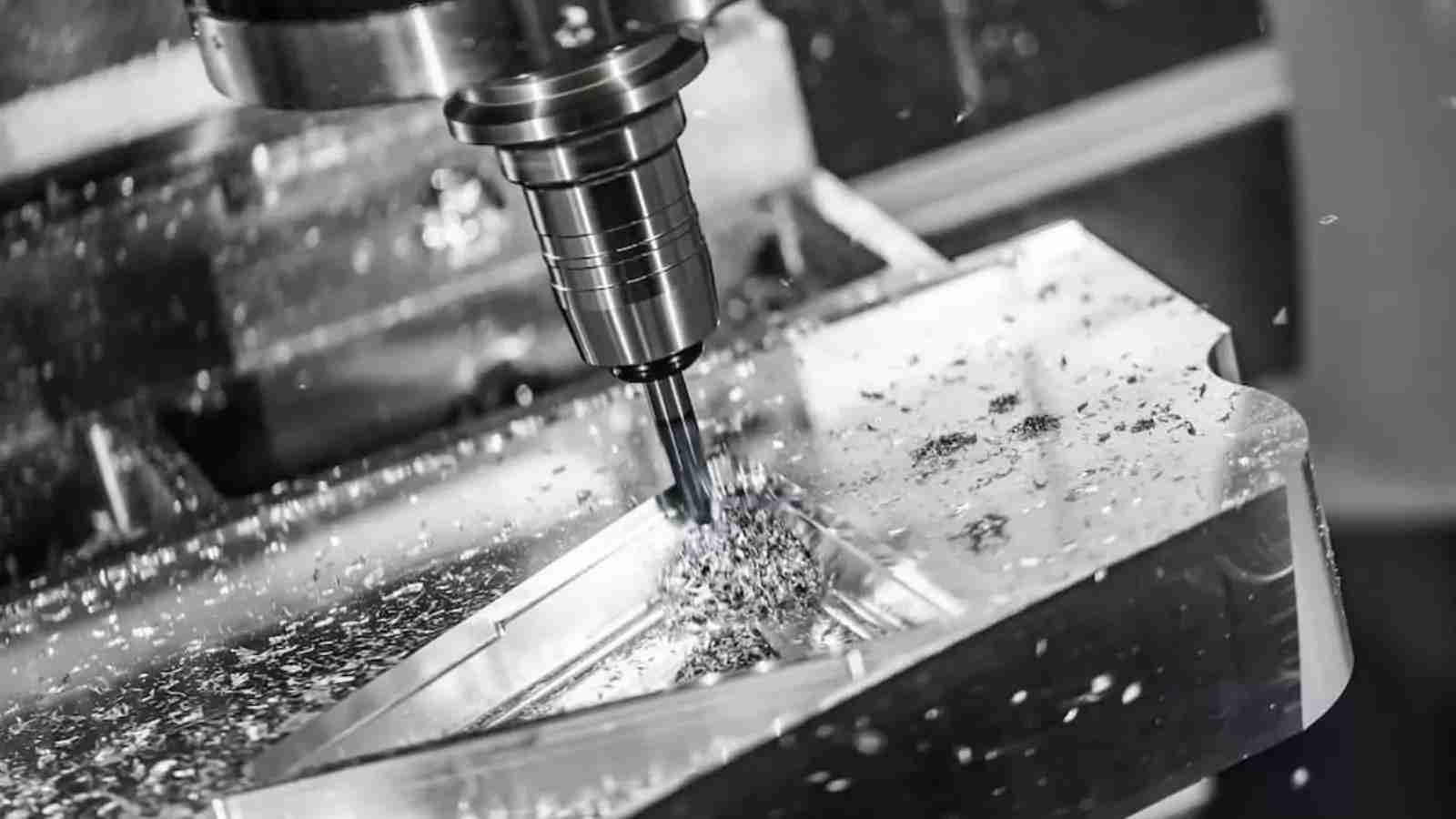
The Intricate Process of Milling: Transforming Raw Grain into Edible Gold
The journey from raw grain to a culinary masterpiece is a stunning display of both art and technology. The milling process begins with a thorough cleaning and sorting that ensures only the highest quality grains make it through. Once cleaned, the rice undergoes a meticulous hulling where the outer husk is removed, revealing the precious kernel hidden within. This initial step is crucial, as it affects the taste, texture, and nutritional profile of the final product. After hulling, the rice is subjected to polishing, transforming the dull, rough grains into shiny, appealing pearls. This step does not come without its consequences, as the milling often strips away some of the nutrients present in the bran layer, hence making it imperative to find a balance between aesthetics and nutrition.
Following polishing, the rice undergoes a series of grading and sorting processes to ensure consistency in size and quality. Grains are categorized into various classes, which can affect everything from cooking time to flavor profile. The sorted grains are then packaged for distribution, entering the market as consumer-ready products. Throughout this intricate process, it’s worth noting that technology plays a significant role; modern milling machines are equipped with sensors and automation tools that enhance precision and efficiency. This fusion of tradition and innovation is what allows us to enjoy rice in its many forms – from soft, fluffy textures to hearty, pearl-like grains, each created through a meticulous milling process that transforms humble grains into culinary gold.
Nutritional Science of Rice: Preserving Quality Through Processing
Understanding the nutritional science of rice requires a deep dive into the intricate dance of its various processing stages. Each method—whether it’s milling, parboiling, or fermentation—plays a crucial role in retaining or enhancing the grain’s inherent nutritional value. During milling, the outer bran layer, which contains dietary fiber, vitamins, and minerals, can be removed, leading to a product that is nutritionally depleted. However, the emerging techniques aimed at preserving these vital nutrients are reshaping practices within the industry. The incorporation of whole grain rice and specialized processing methods enhances the health benefits while still catering to consumer preferences for taste and texture.
Moreover, the processing of rice also influences its glycemic index, a critical consideration for dietary choices, particularly for those managing diabetes. Through methods like parboiling, the rice absorbs nutrients from the bran layer, which not only helps to retain some vitamins but also contributes to a lower glycemic response. This interplay of processing techniques and nutritional profile underscores the artistry and science inherent in rice production. Below is a concise breakdown of some popular processing methods and their nutritional impacts:
| Processing Method | Nutrient Impact | Notable Benefits |
|---|---|---|
| Milling | Reduces fiber, vitamins B and E | Preferred for taste and texture |
| Parboiling | Retains more nutrients | Lower glycemic index |
| Fermentation | Increases B vitamins and probiotics | Enhances digestibility |
Sustainable Practices in Rice Production: Innovations for a Greener Future
In the quest for greener rice production, innovators are reimagining the methods that transform paddy fields into plates. One cutting-edge approach is integrated pest management (IPM), which minimizes chemical use through natural pest control strategies. Rice farmers are increasingly adopting drones for precision farming, allowing them to monitor crop health and apply resources more efficiently. Other farmers are implementing biofertilizers and cover cropping, enriching the soil and enhancing biodiversity, thereby creating a more resilient ecosystem. These practices not only reduce environmental impact but also promote better yields. By embracing such techniques, the rice industry is paving the way for healthier, more sustainable agriculture.
The processing stage of rice production is equally ripe for innovation. Modern milling technologies focus on energy efficiency and waste reduction, employing solar power and biomass to fuel operations. Additionally, companies are exploring the potential of whole grain rice, promoting its health benefits while minimizing waste by utilizing every part of the grain. Advanced sorting techniques using optical sensors ensure that only the highest quality grains make it to market. Below is an overview of some innovative processing methods currently transforming the industry:
| Innovation | Description | Benefit |
|---|---|---|
| Energy-efficient milling | Utilizes renewable energy sources | Reduces carbon footprint |
| Whole grain processing | Minimizes waste by using entire grain | Increases nutritional value |
| Optical sorting | Employs sensors to select quality grains | Improves market quality |
Concluding Remarks
As we conclude our exploration of the captivating journey from grain to plate in the world of rice processing, it becomes evident that this humble grain is more than just a dietary staple; it is a testament to the intricate dance between nature and human ingenuity. From the fertile paddies where it begins its life cycle to the sophisticated processing techniques that transform it into the versatile ingredient we know and love, every step is a blend of art and science.
The methods and technologies that refine rice not only pay homage to traditions that span centuries but also embrace innovations that enhance efficiency and sustainability. By understanding this journey, we not only gain a deeper appreciation for the rice on our plates but also for the communities and ecosystems that support its production.
As we savor our next meal, let us remember the unseen process that has brought this grain from field to fork. In doing so, we celebrate not just a food source but a cultural legacy that feeds billions around the globe, uniting us through the simple act of sharing a meal. Whether it’s a steaming bowl of jasmine rice or a hearty serving of risotto, each grain carries with it the weight of history, science, and the promise of future harvests. So, as you enjoy your next rice dish, take a moment to reflect on the journey it undertook to reach you—a beautiful blend of nature’s bounty and human craft.



