
Transforming Harvest: Inside a Paddy Processing Factory
As the first rays of dawn stretch across the verdant landscape, the rhythmic symphony of a paddy processing factory begins to awaken. This hidden world, often overlooked, holds the key to transforming humble grains into staple foods that nourish millions. Here, in the heart of agricultural innovation, science and tradition collide, weaving a tapestry of labor and technology that breathes life into harvested rice. Join us as we delve into the inner workings of a paddy processing factory, exploring the meticulous journey from field to table. We will uncover the processes that ensure quality and efficiency while meeting the demands of an ever-growing population—highlighting the unseen hands that play a crucial role in this essential industry. Step inside, and discover how each grain is not just food but a story of transformation, resilience, and community.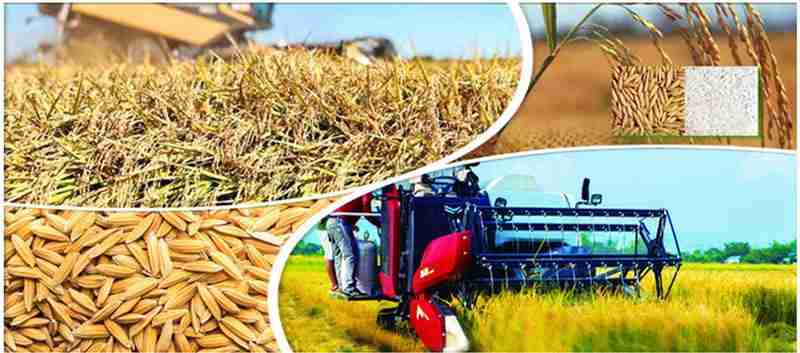
Understanding Paddy Processing: The Journey from Field to Factory
The journey of paddy from the lush green fields to the processing factory is one of both natural wonder and intricate craftsmanship. Once harvested, the grains are immediately taken to the processing facility, where they undergo several stages that transform them into edible rice. The initial step involves cleaning the paddy to remove unwanted impurities such as dust, stones, and weeds. This is followed by drying, which ensures that the moisture content is reduced to prevent spoilage during storage. Key processes include:
- Hulling: This separates the outer husk from the grain.
- Polishing: A gentle process to enhance the shine of the rice.
- Sorting: Grains are sorted based on quality to ensure consistency.
Once processed, the rice is packaged for distribution. At this stage, the factory plays a crucial role in ensuring quality control and monitoring the consistency of the product. Advanced machinery and technology are employed throughout the operation to maximize efficiency and maintain the integrity of the grains. The following table illustrates the key stages of paddy processing, showing the transformation and respective functions performed at each phase:
| Processing Stage | Description |
|---|---|
| Harvesting | Collecting ripe paddy from the fields. |
| Cleaning | Removing impurities from the paddy. |
| Drying | Reducing moisture content for storage. |
| Hulling | Separating the husk from the grain. |
| Polishing | Enhancing the appearance of the rice. |
| Sorting | Classifying rice based on quality. |

Innovations in Milling Technology: Enhancing Quality and Efficiency
In the realm of paddy processing, milling technology has undergone transformative changes that significantly elevate both quality and efficiency. Advanced machinery incorporates state-of-the-art sensor technology and automation, ensuring precision in every step of the grain’s journey from field to finished product. This not only improves the extraction rate of husked rice but also minimizes breakage, preserving the integrity of each kernel. The integration of computerized control systems allows for real-time monitoring, enabling adjustments to be made on-the-fly, thereby optimizing processing conditions based on grain characteristics.
Moreover, sustainable practices are increasingly being woven into the fabric of milling innovation. New technologies are emerging that focus on energy efficiency and resource management. For instance, modern milling equipment is now designed to consume less power while enhancing throughput. Some key features of these innovations include:
- Eco-friendly Water Usage: Systems designed to recycle and reduce water waste during the washing stage.
- Advanced Cleaning Processes: Utilization of air classifiers and vibro screens that eliminate impurities while maintaining high yield.
- Automated Quality Control: Integration of AI-driven algorithms to assess grain quality in real-time.
| Technology Feature | Benefits |
|---|---|
| Sensor Technology | Ensures precise grain grading and sorting |
| Automation | Reduces manual labor, increasing processing speed |
| Energy-efficient Systems | Lowers operational costs and minimizes carbon footprint |
Sustainable Practices in Rice Production: A Look at Environmental Impact
In modern agriculture, rice production is increasingly influenced by sustainable practices that focus on mitigating environmental impact while maximizing efficiency. By implementing methods such as integrated pest management and crop rotation, farmers can minimize the reliance on chemical fertilizers and pesticides, allowing for more resilient ecosystems. Additionally, techniques like direct seeding and winter cover cropping not only enhance soil health but also reduce water usage, addressing one of the most pressing issues in rice cultivation—water scarcity.
Furthermore, many paddy processing factories are now adopting renewable energy sources to power their operations, significantly lowering their carbon footprint. Implementing waste-to-energy systems and optimizing water usage through recycling programs are key strategies that help in transforming how rice is processed. The environmental benefits extend beyond just the production stage, as a focus on reducing emissions means a healthier planet for future generations. Here is a table summarizing some of these sustainable practices:
| Practice | Environmental Benefit |
|---|---|
| Integrated Pest Management | Reduces chemical use |
| Direct Seeding | Lowers water usage |
| Crop Rotation | Enhances soil health |
| Renewable Energy Adoption | Reduces carbon footprint |
Quality Control Measures: Ensuring Excellence in Every Grain
In a paddy processing factory, the hallmark of a superior product lies in the rigorous quality control measures implemented throughout the production line. Each stage undergoes meticulous scrutiny, starting from the moment the harvested grains arrive. To ensure optimal quality, the facility employs a combination of manual inspection and sophisticated technology. Key measures include:
- Visual inspection for color and uniformity.
- Moisture content analysis to prevent spoilage.
- Grain purity testing to eliminate contaminants.
- Random sampling methods to guarantee representative quality checks.
The incorporation of high-tech equipment, such as color sorters and moisture meters, plays a crucial role in maintaining product excellence. Each machine is calibrated to detect even the slightest deviations, while skilled personnel oversee the entire process to ensure nothing slips through the cracks. Furthermore, an integrated feedback loop allows for continuous improvement, adjusting processes based on the outcomes of quality assessments. Below is a summary of quality benchmarks monitored at various processing stages:
| Stage | Quality Metric | Standard |
|---|---|---|
| Receiving | Moisture Level | 12% or less |
| Dehusking | Damage Ratio | Less than 5% |
| Sorting | Purity Percentage | 98% or more |
The Conclusion
As we conclude our journey through the intricacies of a paddy processing factory, it’s evident that the transformation of rice from field to table is a remarkable saga of innovation, dedication, and meticulous craftsmanship. Each step in the processing chain, from threshing to milling, embodies not only the labor of skilled workers but also the embrace of technology that enhances efficiency and sustainability.
The heart of this factory beats in rhythm with the harvests of countless farmers, reflecting a collaboration that unites rural agriculture with urban consumption. In a world increasingly defined by its fast-paced demands, the quiet yet vital operation within these walls serves as a reminder of the profound connection we share with our food and the people behind it.
As we move forward, may we continue to appreciate and support the processes that ensure our meals are not just sustenance but a celebration of culture, community, and care. The next time you savor a bowl of rice, remember the journey it has taken — a journey filled with challenges surmounted and traditions upheld, all within the transformative embrace of the paddy processing factory.



