
In a world where efficiency and sustainability are becoming paramount, the agricultural landscape is witnessing a remarkable transformation. Among the many innovations redefining farming practices, mini rice milling machines are emerging as a catalyst for change. These compact, efficient tools are not just reshaping the way rice is processed; they are empowering smallholder farmers, enhancing food security, and promoting local economies. As we delve into the rise of these versatile machines, we’ll explore how they are revolutionizing traditional harvests, enabling farmers to maximize their yields while minimizing waste. Join us on a journey through the heart of modern agriculture, where innovation meets tradition, and discover how mini rice milling machines are not just a trend but a vital component of a sustainable future.
Understanding the Mini Revolution in Rice Milling Technology
In recent years, the landscape of rice milling has undergone a significant transformation, primarily fueled by the introduction of mini rice milling machines. These compact powerhouses are designed to cater specifically to small-scale farmers and cooperatives, enabling them to process their harvests more efficiently and economically. By harnessing advanced technology, these machines provide an opportunity for farmers to enhance their productivity while minimizing post-harvest losses. Not only do they offer a practical solution tailored for rural settings, but they also empower farmers to take control of their production chain.
The allure of mini rice milling technology lies in its myriad benefits, which can change the dynamics of local farming communities. Key features include:
- Portability: Easily transported to various locations, making it convenient for small farms.
- Cost-Effective: Lower investment costs compared to traditional milling options.
- Minimal Power Requirement: Operates efficiently with lower energy consumption.
- Versatility: Capable of milling different types of grains, not just rice.
Moreover, the efficiency of these machines often translates into improved milling quality and a higher yield of marketable rice. Farmers are increasingly opting for these innovative tools to elevate their product quality and profitability. As a point of reference, consider the following table that summarizes the major advantages of mini rice milling machines:
| Feature | Benefit |
|---|---|
| Size | Compact, effective for small-scale needs |
| Efficiency | Reduces time and effort in processing |
| Accessibility | Provides milling solutions to remote regions |
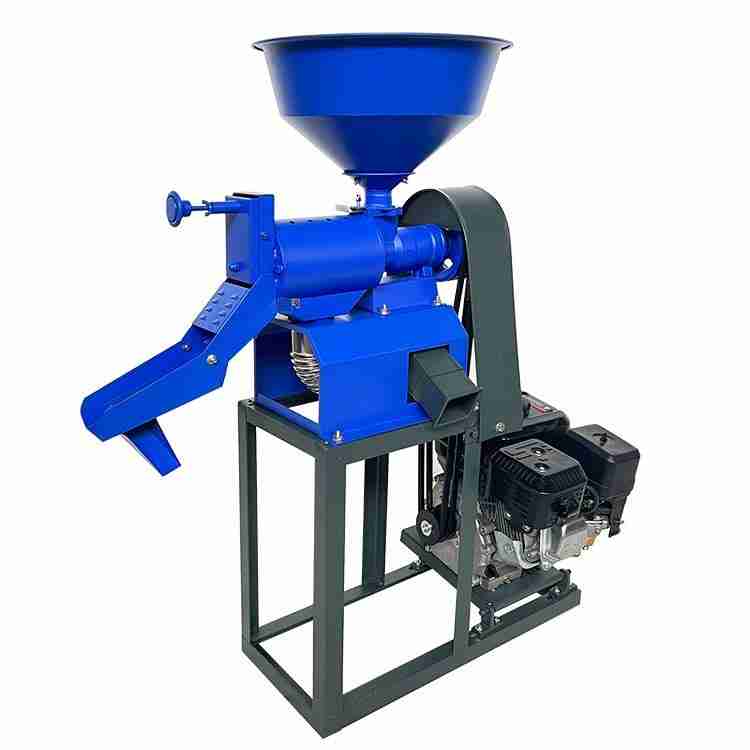
Benefits of Mini Rice Milling Machines for Small Scale Farmers
For small scale farmers, the introduction of mini rice milling machines has revolutionized the post-harvest process, bringing numerous advantages that can significantly enhance productivity and profitability. One of the most prominent benefits is the ability to process rice on-site, minimizing the need for transporting harvested rice to distant milling facilities. This not only saves time and money but also reduces the risk of spoilage during transport. Additionally, small farmers can maintain better control over the quality of their produce, ensuring that they meet market demands for fresher, high-quality rice.
Moreover, mini milling machines are designed with user-friendliness in mind, allowing farmers with minimal technical skills to operate them efficiently. These machines offer several key advantages:
- Compact and portable design, making it easy to transport and store.
- Energy-efficient operation, often powered by electricity or diesel.
- Lower operational costs compared to traditional milling, leading to higher profit margins.
- Reduction in post-harvest losses due to better processing techniques.
With consistent access to a milling solution, small scale farmers can also diversify their products, leading to increased income opportunities. Exploring options like flour and bran production is now within reach for those who invest in these innovative machines, ultimately paving the way for a more sustainable agricultural future.
Key Features to Consider When Choosing a mini rice mill
When selecting a mini rice mill, there are several crucial aspects that can significantly influence your milling experience. Capacity is one of the first considerations; choose a machine that matches your production needs, whether it’s for small-scale personal use or larger agricultural outputs. The power source of the mill—electric or diesel—also plays a vital role in determining its operational efficiency and suitability for your location. A durable construction ensures longevity and minimizes maintenance costs, while additional features like automatic weight adjustment can streamline the milling process.
Another essential factor is ease of operation and maintenance. Look for user-friendly controls and a design that simplifies cleaning and troubleshooting. Energy efficiency is another key attribute that can help you save on operational costs while contributing to a greener environment. Additionally, consider after-sales service and warranty options provided by the manufacturer, as they reflect the company’s commitment to customer satisfaction and product reliability. To assist you better in your decision, here’s a summary table comparing different types of mini rice mills:
| Feature | Electric mini rice mill | Diesel mini rice mill |
|---|---|---|
| Power Source | Electricity | Diesel |
| Capacity | Low to Moderate | Moderate to High |
| Operational Cost | Low | Moderate |
| Maintenance Required | Low | Moderate |
| Environmental Impact | Lower | Higher |
This table highlights essential differences, assisting you in determining the best fit for your specific needs.
Maximizing Efficiency: Best Practices for Operating Mini Rice Milling Machines
To achieve peak performance with mini rice milling machines, it is crucial to incorporate several best practices into your operational routine. Regular maintenance is essential; daily checks on the machine’s moving parts, lubrication, and cleaning can significantly enhance efficiency and prolong the life of the equipment. Additionally, using high-quality paddy rice reduces the strain on the milling components and ensures better output quality. Avoid mixing different varieties of rice, as this can complicate the milling process and negatively affect efficiency.
Moreover, it is beneficial to optimize the milling technique by adjusting the milling settings based on the rice variety. Proper feed rates can minimize breakage and enhance overall recovery rates. Keep the milling machinery in a dry and well-ventilated area to avoid moisture accumulation, which can negatively affect both the milling process and storage. Implementing a user-friendly training program for operators ensures that they are well-versed in machine handling and troubleshooting, leading to reduced downtime and a more productive milling operation.
The Conclusion
As we draw the curtain on our exploration of mini rice milling machines, it’s clear that these compact marvels are not just a passing trend; they are a transformative force in the agrarian landscape. By streamlining processes and empowering small-scale farmers, these machines are setting the stage for a new era of conveniently accessible, quality rice production. The journey from paddy to polished grain is being rewritten, offering both farmers and consumers a sustainable path forward in an ever-evolving market.
In a world that increasingly values efficiency and innovation, the rise of mini rice milling machines illustrates the potential of technology to bridge traditional practices with modern-day needs. As more rural communities embrace these tools, they not only enhance their harvests but also open doors to economic growth and food security.
The future of rice milling is indeed bright, and as we continue to witness these developments, one thing is certain: transformation is not just possible—it’s already happening. Whether you’re a seasoned farmer, an agricultural enthusiast, or simply curious about the future of food production, the rise of mini rice milling machines serves as a reminder that innovation can indeed spring from the smallest of seeds.



