
In the heart of agricultural innovation lies a marvel that is transforming the landscape of small-scale farming: the mini rice mill plant. This compact yet powerful facility holds the promise of unlocking potential for farmers and entrepreneurs alike, enabling them to efficiently process rice while maximizing yields and minimizing waste. As global demand for rice continues to soar, the mini rice mill stands as a beacon of efficiency and sustainability, offering versatile solutions that cater not only to local markets but also to increasingly discerning consumers. In this article, we will explore the multifaceted benefits of the mini rice mill plant, highlighting its role in empowering communities, enhancing food security, and bridging the gap between traditional practices and modern technological advancements. Join us as we delve into the mechanics of this essential tool, uncovering how it can transform rice production and pave the way for a more sustainable agricultural future.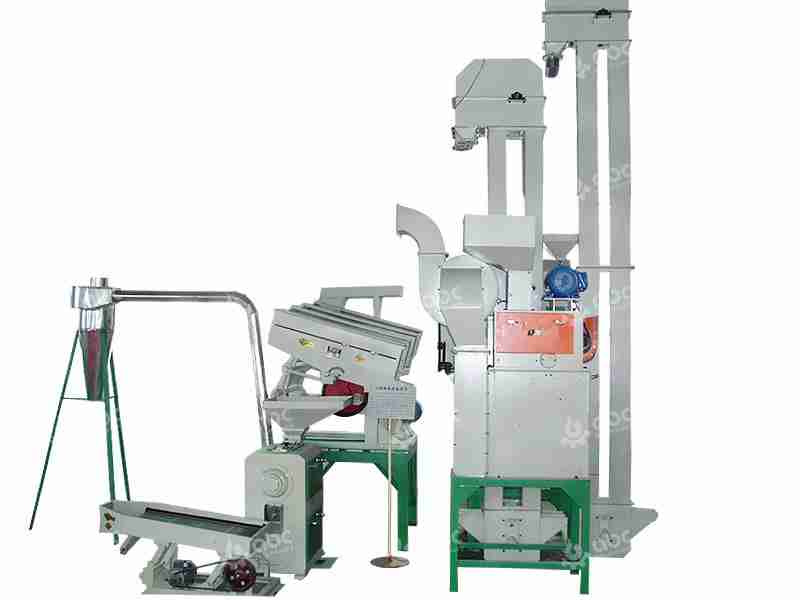
Exploring the Benefits of a mini rice mill Plant for Small Scale Farmers
For small scale farmers, the adoption of a mini rice mill plant can significantly enhance productivity and profitability. Unlike traditional milling processes that can be cumbersome and costly, these compact solutions allow farmers to streamline operations directly from their fields. Some key advantages include:
- Cost Efficiency: Lower investment required, with reduced operational expenses due to minimal labor costs.
- Improved Quality: Maintain better control over the milling process, resulting in higher quality rice that appeals to consumers.
- Local Processing: Reduces dependency on distant milling facilities, allowing farmers to keep profits closer to home.
- Empowerment: Farmers gain the ability to produce and market their own rice, fostering entrepreneurship and self-reliance.
Furthermore, mini rice mill plants are versatile and can adapt to various farming conditions and scales of operation. They are designed not only to mill rice but can also perform multiple functions such as husking and polishing, which enhances usability for farmers. Consider the following features that make these plants appealing:
| Feature | Benefit |
|---|---|
| Compact Design | Saves space and integrates well into existing farm setups. |
| Energy Efficient | Low power consumption, making it suitable for off-grid areas. |
| User-Friendly Operation | Requires minimal training, enabling quick adaptation for farmers. |
| Scalability | Can be expanded with more functionalities as the business grows. |

Maximizing Efficiency: Key Features of Modern mini rice mill Technology
Modern mini rice mill technology has revolutionized rice processing by integrating efficiency-driven features that cater to the needs of small and medium scale producers. These mills are designed to minimize labor costs and maximize outputs through automated processes. Key features, such as high milling efficiency, allow for optimal grain extraction, reducing losses while ensuring the quality of the rice remains intact. Low energy consumption systems also contribute to sustaining operational costs, making these mills economically viable. Additionally, advancements in user-friendly interfaces enable operators to manage the milling process effortlessly, resulting in smoother workflows.
The versatility of contemporary mini rice mills is further enhanced by their capacity to process various grain types beyond rice, making them a smart investment for diversified agricultural businesses. State-of-the-art mills often come equipped with features like dust removal systems and water recycling components which ensure adherence to environmental standards. Below is a brief overview of some crucial features that define these innovative machines:
| Feature | Benefit |
|---|---|
| Automated Control Systems | Reduces operator workload and increases precision in milling. |
| Compact Design | Easy to set up in small spaces, ideal for small businesses. |
| Multi-crop Processing | Diverse application for various grains enhances utility. |
| Low Maintenance Requirements | Decreases downtime and repair costs, ensuring continuous operation. |
Cost-Effective Solutions: Investment and Return on mini rice mill Plants
Investing in a mini rice mill plant can be a game changer for agricultural entrepreneurs and small scale industries alike. The initial outlay for setting up these plants is relatively modest compared to large-scale mills, making them a viable option for many. The key advantages include:
- Low Capital Investment: Mini mills require significantly less functional space and lower machinery costs.
- Operational Flexibility: They can be strategically placed close to rice-producing areas, reducing logistics costs.
- Quick Return on Investment: Minimal operational costs and steady demand for processed rice can lead to faster financial recovery.
Moreover, the profitability of a mini rice mill is amplified by its focus on local market needs. The ability to offer quality processed rice at competitive prices caters to the preferences of local consumers, enhancing market penetration. Below is a simplified breakdown to illustrate the expected financial returns:
| Item | Estimated Monthly Income | Estimated Monthly Expenses | Net Profit |
|---|---|---|---|
| Rice Sales | $3,000 | $1,500 | $1,500 |
| Supplementary Products | $500 | $200 | $300 |
With proper management, a mini rice mill not only serves local farmers but also supports a sustainable business model, fostering economic development within the community. This combination of low initial costs, rapid returns, and the potential for scalability makes it an attractive opportunity for investors looking to enhance their agricultural portfolio.
Sustainable Practices: The Environmental Impact of Mini Rice Milling Operations
The rise of mini rice milling operations has opened avenues for more sustainable agricultural practices that can significantly reduce environmental footprints. These compact facilities, designed for local use, minimize transportation needs by processing paddy rice closer to its source. As a result, they contribute to a reduction in greenhouse gas emissions associated with long-haul transport. Furthermore, mini mills typically consume less energy and water compared to their larger counterparts, enabling farmers to adopt practices that align more closely with environmental conservation efforts. The use of eco-friendly technologies, like low-emission grinders and energy-efficient motors, further enhances their appeal.
In addition to lower carbon footprints, mini rice milling operations promote sustainability through their waste management practices. Byproducts generated during processing, such as rice husks and bran, can be repurposed effectively rather than discarded. These materials can be transformed into valuable products, including:
- Biomass fuel – Providing energy for local cooking and heating.
- Animal feed – Supporting local livestock production.
- Organic fertilizers – Enhancing soil health for local farms.
Moreover, many mini rice mills foster local economic development by providing jobs and generating income for small-scale farmers. To illustrate the benefits of this approach, the table below outlines key advantages of implementing sustainable practices in mini rice milling.
| Advantage | Description |
|---|---|
| Reduced Emissions | Local processing eliminates transportation emissions. |
| Resource Efficiency | Lower energy and water consumption during milling. |
| Waste Utilization | Byproducts turned into useful resources. |
| Economic Empowerment | Creates jobs and supports local communities. |
Final Thoughts
the mini rice mill plant serves as a beacon of opportunity in the agricultural landscape, unlocking the potential for small-scale farmers and entrepreneurs alike. Its versatility and efficiency not only streamline the rice processing journey but also empower communities to achieve greater economic independence and sustainability. As we move forward, embracing such innovative solutions can help redefine the future of rice production, transforming it from a mere agricultural practice into a thriving industry. By investing in these compact yet powerful machines, we pave the way for a more equitable food system, one that nourishes not just individuals, but entire communities. As we take the next step towards harnessing this potential, let us remember that every grain counts, and every innovation has the power to make a lasting impact.



