
Revolutionizing Harvests: The Future of Rice Processing Machines
In the gentle sway of golden fields, a quiet transformation is underway—one that promises to alter the very essence of how we cultivate and process one of the world’s staple foods, rice. As global demand escalates and climate challenges loom, the agricultural sector stands at a pivotal crossroads, where tradition meets innovation. Enter the realm of rice processing machines, which are evolving at an unprecedented pace. From mechanized harvesters that deftly glide through verdant paddies to sophisticated milling technologies that safeguard grain quality, these machines are not just tools; they are catalysts for sustainable practices and enhanced productivity. In this article, we will explore the groundbreaking advancements in rice processing technology, how they are reshaping the landscape of agriculture, and the implications for farmers, consumers, and the future of food security. Prepare to delve into a world where engineering ingenuity and agricultural heritage converge, heralding a new era for rice production on a global scale.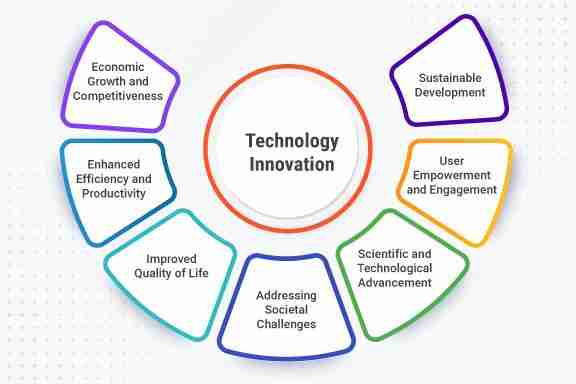
Innovative Technologies Driving Efficiency in Rice Processing
In recent years, the rice processing industry has experienced a significant transformation, largely due to the integration of advanced technologies. Smart machines equipped with AI-driven analytics optimize each stage of the processing line, from cleaning to milling. By automating these tasks, producers can achieve higher precision in grain handling and reduce waste. The incorporation of IoT devices facilitates real-time monitoring, enabling farmers and processors to manage operations remotely, ensuring that every grain is treated with care. As a result, productivity leaps forward while maintaining quality, allowing for greater profitability.
Furthermore, emerging technologies such as biomass energy systems are playing a crucial role in enhancing sustainability within the sector. By repurposing agricultural waste into biofuels, processing plants can significantly cut operational costs and minimize their carbon footprint. The introduction of robotic automation is also making waves, with machines dedicated to tasks like packing, sorting, and quality checking. This not only speeds up the entire processing sequence but also ensures a consistent product quality. Below is a table summarizing key innovations impacting the rice processing landscape:
| Technology | Benefits |
|---|---|
| AI Analytics | Enhanced decision-making and quality control |
| IoT Monitoring | Real-time data and remote management |
| Biomass Energy | Sustainable energy solutions, reduced costs |
| Robotic Automation | Increased efficiency and consistency |

Sustainable Practices for Modern Rice Milling Systems
As the rice milling industry evolves, so too must its commitment to sustainability. Modern milling systems are increasingly designed with energy efficiency in mind, incorporating renewable energy sources such as solar and wind power. This shift not only lowers operational costs but also minimizes carbon footprints, paving the way for greener practices. Additionally, advancements in milling technology allow for a more resource-efficient approach to processing, greatly reducing water usage and waste production. Techniques such as dry milling and residue recycling are now standard practices that emphasize responsible resource management.
Expanding the focus on sustainability, many mills now prioritize eco-friendly materials in the construction of their machines. This includes using recycled metals and sustainable composites that are both durable and lightweight. Alongside this, initiatives aimed at improving community engagement highlight the importance of local ecosystems, encouraging rice mill operators to work closely with farmers to promote biodiversity and soil health. A collaborative approach ensures a streamlined supply chain while safeguarding the environment for future generations. Implementing these practices not only enhances the reputation of rice processing facilities but also contributes significantly to the overarching goal of sustainable agriculture.

Enhancing Quality and Yield through Smart Machinery
In today’s rapidly evolving agricultural landscape, the adoption of advanced machinery is paramount to optimizing production efficiency. Smart rice processing machines utilize cutting-edge technologies such as IoT sensors and machine learning algorithms to monitor and analyze crop quality in real time. These innovations enable farmers to achieve superior quality in their harvests by seamlessly integrating data-driven insights into their operational practices. By analyzing metrics such as moisture content and grain size, these machines ensure that only the best quality rice makes it to the market.
Furthermore, the implementation of automated systems in rice milling not only boosts yield but also minimizes waste. Features like automated sorting and precision milling help maintain a higher overall yield compared to traditional methods. This leads to an impressive reduction in processing time, allowing for more rice to be milled and packaged without sacrificing quality. By embracing this technology, farmers can expect to see their profits soar, ultimately contributing to a more sustainable and prosperous agricultural future.
Here’s a glimpse of how smart machinery impacts key aspects of rice processing:
| Aspect | Traditional Methods | Smart Machinery |
|---|---|---|
| Yield | Moderate | High |
| Quality Control | Manual | Automated |
| Processing Time | Longer | Shorter |
| Waste Production | High | Reduced |
Future Trends: Automation and AI in the Rice Industry
As the rice industry embraces the digital revolution, automation and artificial intelligence are poised to transform every aspect of rice processing, enhancing efficiency and sustainability. Smart technology can streamline operations, reducing waste while maximizing output. Key innovations include:
- Automated Harvesters: Equipped with sophisticated sensors and GPS, these machines optimize the timing and efficiency of harvesting, adapting to varying field conditions.
- AI-Driven Quality Control: Utilizing machine learning algorithms, processors can ensure top-grade quality by analyzing rice grain consistency and detecting issues that may elude the human eye.
- Predictive Analytics: Advanced data analytics can forecast yield predictions, guiding farmers in making informed decisions regarding crop management and resource allocation.
Furthermore, the integration of robotics in post-harvest processing is beginning to redefine labor practices within the industry. These robots can perform repetitive tasks with precision, freeing human workers for more specialized roles. The implementation of smart processing machines can lead to significant cost reductions through:
- Reduced Labour Costs: Automation minimizes dependency on labor-intensive methods, leading to savings and enhanced productivity.
- Consistent Production Quality: Automated systems ensure uniform processing standards, reducing human error and variability.
- Environmentally Friendly Practices: Technologies such as precision farming can optimize resource usage, significantly reducing chemicals and water consumption.
| Technology | Impact | Future Potential |
|---|---|---|
| Automated Harvesters | Increased efficiency and reduced field loss | Widespread adoption in diverse climates |
| AI Quality Control | Better grade consistency and reduced wastage | Integration into small & large scale facilities |
| Predictive Analytics | Improved decision-making capabilities | Adoption in diverse agricultural sectors |
To Conclude
As we stand on the cusp of a new era in agriculture, the advancements in rice processing machines herald a transformative shift that promises to enhance efficiency, sustainability, and quality in one of the world’s most crucial food sources. The journey toward revolutionized harvests is not merely about modernization; it’s a commitment to feeding the future while respecting our planet’s delicate ecosystem.
With technological innovations unlocking greater potential within the rice industry, farmers, innovators, and communities are poised to reap the benefits. As these machines evolve, so too will our approach to agricultural practices, fostering resilience in the face of growing global challenges.
In embracing these advancements, we are not just optimizing production but also nurturing the age-old traditions that bind us to the land. The future of rice processing machines is bright and promising, paving the way for a sustainable agricultural paradigm that honors both heritage and innovation.
As we look ahead, one truth remains clear: the seeds of progress are being sown today, and with each technological leap, we inch closer to a world where every grain of rice is harvested with the care and precision it deserves. In this dance of tradition and technology, we pave the way for a legacy that future generations will cherish and build upon.



