
In the heart of rural landscapes and bustling agricultural hubs, a quiet revolution is taking root, transforming the way communities approach rice production. As economies worldwide seek innovative solutions to food security and sustainable farming practices, the mini rice mill emerges as a beacon of change. This compact yet powerful technology is not only optimizing grain processing but also empowering smallholder farmers, enhancing livelihoods, and promoting local entrepreneurship. In this article, we delve into the rise of the mini rice mill, exploring its impact on agricultural efficiency, community development, and the broader vision of unlocking the untapped potential within the rice supply chain. Join us on a journey through fields of opportunity where tradition meets innovation in the pursuit of a more resilient future.
Exploring the Technological Advancements in Mini Rice Milling
In recent years, technological advances have revolutionized the mini rice milling industry, making the process more efficient and affordable for small-scale farmers. The integration of computerized systems and automated processes have vastly improved productivity, reducing labor costs and enhancing the quality of the finished product. Some of the key innovations include:
- Automated Grading Systems: These systems ensure that the rice is sorted according to size and quality, leading to higher market prices.
- Energy-efficient Machines: New designs consume less electricity, making it more sustainable and cost-effective for small operations.
- Mobile Connectivity: Many mini mills now include apps for real-time monitoring and maintenance alerts, allowing for smarter management of resources.
The introduction of compact, multifunctional machines has also made a significant impact. These state-of-the-art milling units combine several stages of rice processing, from husking to polishing, in one compact design. This multi-process functionality not only minimizes space requirements but also decreases transportation costs and time. Furthermore, as the agritech industry expands, adaptations in mill designs have led to user-friendly interfaces and enhanced safety features. A glance at the typical features of modern mini rice mills reveals:
| Feature | Description |
|---|---|
| Compact Design | Saves space and is suitable for small farms. |
| High Efficiency | Processes more rice in less time compared to traditional mills. |
| User-Friendly Controls | Intuitive interfaces allow easy operation. |

Understanding the Economic Benefits for Small Scale Farmers
Small scale farmers play a crucial role in the agricultural landscape, and the rise of mini rice mills presents an unprecedented opportunity for economic growth within this sector. By enabling these farmers to process their own crops, mini rice mills reduce dependency on larger milling operations and transportation costs. This self-sufficiency not only enhances profit margins but also empowers farmers to have greater control over the quality of their produce, resulting in higher marketable value. Additionally, local processing can invigorate rural economies by creating jobs and fostering small business ventures that revolve around maintenance, servicing, and distribution.
Moreover, the benefits extend beyond individual farmers to the community as a whole. As small-scale rice mills become operational, they can contribute to various economic facets, such as:
- Increased income stability: Farmers can earn more through value addition by milling their own rice.
- Market diversification: Farmers can explore new avenues by producing specialty rice products.
- Community investment: The presence of a local mill encourages investment in other local agricultural ventures.
In areas where mini rice mills are established, there’s often a noticeable increase in the overall productivity of the farming community. This boost fosters an environment of sustainable agriculture and aligns well with modern practices where efficiency and ecology work hand in hand. As these benefits compound, the potential for small scale farmers transitions from mere survival to flourishing economic success.
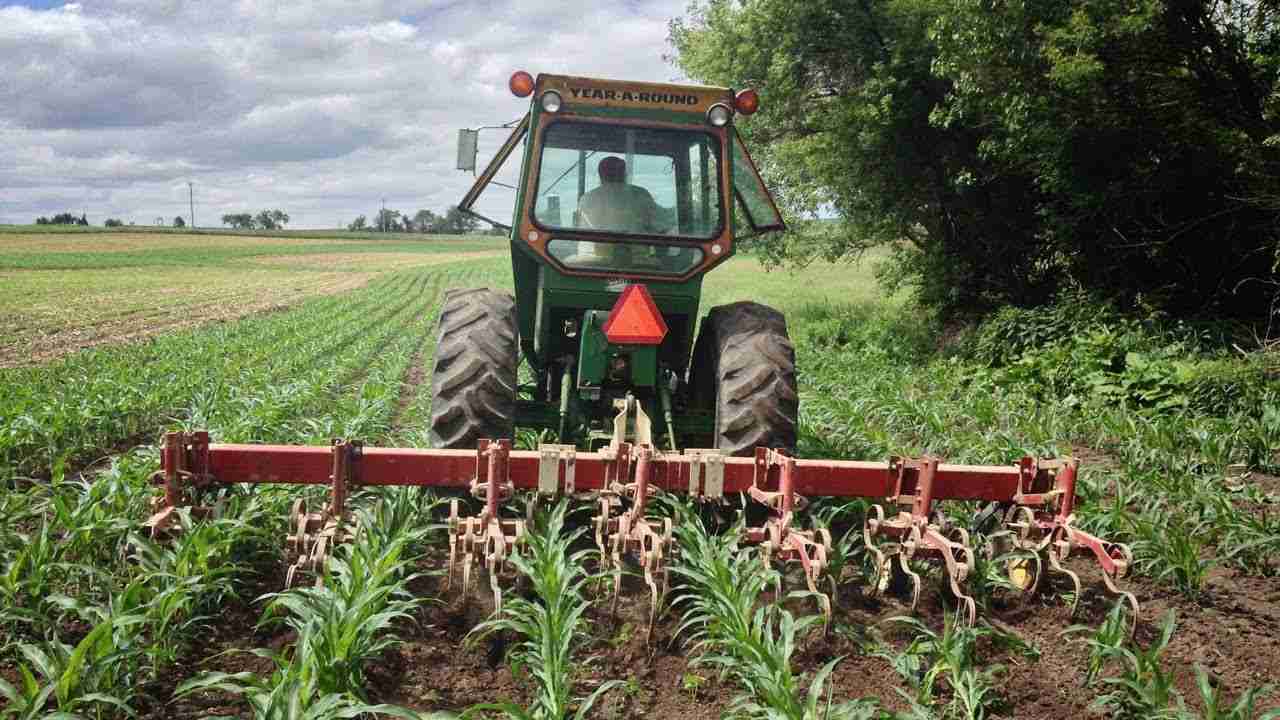
Cultivating Sustainable Practices in mini rice mill Operations
The evolution of mini rice mills is not only about maximizing production but also about fostering an eco-friendly approach to grain processing. By implementing sustainable practices, these operations can significantly reduce their environmental footprint and enhance their appeal in today’s market. Here are some key strategies for cultivating sustainability within mini rice mills:
- Energy Efficiency: Utilizing energy-efficient machinery and adopting renewable energy sources, such as solar power, can minimize reliance on fossil fuels.
- Water Conservation: Implementing advanced water management techniques helps in reducing water consumption during processing.
- Waste Utilization: Promoting the use of by-products such as rice husk for energy generation or as organic fertilizer enhances waste management.
- Eco-Friendly Packaging: Transitioning to biodegradable or recyclable packaging materials can further reduce environmental impact.
Moreover, collaboration with local farmers and communities not only strengthens economic ties but also encourages sustainable agricultural practices. By sourcing rice locally, mini mills can reduce carbon emissions associated with transportation while supporting the economic growth of the region. Consider the following benefits:
| Benefit | Description |
|---|---|
| Local Sourcing | Enhances food security and community resilience. |
| Job Creation | Fosters employment opportunities within the community. |
| Knowledge Share | Encourages sharing of sustainable farming techniques. |
Future Trends and Innovations in the Rice Milling Industry
The rice milling industry is on the cusp of transformation, driven by the rise of mini rice mills that cater to local farmers and small-scale producers. These compact milling machines are not just a trend; they symbolize a significant shift towards efficiency and sustainability. With technological advancements, traditional milling processes are being streamlined, reducing both energy consumption and waste. The integration of smart technology enables real-time monitoring of rice quality and milling efficiency, allowing farmers to maximize their yield. As these mills become more accessible, they promote local processing, ultimately contributing to the economy and empowering rural communities.
The future will see innovations that enhance the functionality and versatility of mini rice mills. Upcoming features may include:
- Solar-Powered Systems: Utilizing renewable energy to minimize operational costs.
- Automated Quality Control: Leveraging AI to assess grain quality and ensure consistency.
- Sustainable Waste Management: Systems that convert byproducts into valuable resources, such as biofuel or organic fertilizers.
As these innovations take root, the potential for scaling up production while maintaining quality is unprecedented. The rice milling industry stands at a pivotal juncture where embracing change can lead to greater productivity, reduced environmental impact, and enhanced livelihoods for those dependent on rice agriculture.
To Wrap It Up
In a world where food security and sustainable agriculture have taken center stage, the mini rice mill stands as a beacon of innovation and opportunity. This humble yet powerful machinery is not merely a tool for processing rice; it is a catalyst for economic growth and community empowerment. By unlocking the potential of local farmers and facilitating their access to modern techniques, mini rice mills are redefining the landscape of agribusiness.
As we embrace this small yet mighty revolution, it becomes clear that the journey of transforming simple grains into nourishment has evolved beyond the traditional boundaries. The rise of these compact mills signifies a future where efficiency meets sustainability, allowing for the cultivation of not just crops, but also livelihoods.
Let us celebrate the resilience of those who adapt and innovate in the face of challenges. As these mini rice mills gain traction, they carry with them the promise of progress—one kernel at a time. As we look ahead, may we continue to nurture the potential that lies in every grain, and in every community, unlocking a world of possibilities for generations to come.



