
In the heart of rural landscapes, where golden fields of rice sway gently in the breeze, a revolution is quietly unfolding. The traditional image of sprawling mills and labor-intensive harvesting processes is being reshaped by the emergence of combine mini rice mills—an innovation poised to transform the agricultural landscape. These compact machines, designed for efficiency and ease of use, promise to empower smallholder farmers, enhance productivity, and redefine the ways in which rice is processed and consumed. As we delve into the rise of combine mini rice mills, we will explore their impact on farming practices, the economy, and the future of food security, offering a glimpse into a world where technology and tradition harmoniously coexist. Join us on this journey through the fields of innovation as we uncover the potential these mini mills hold for sustainable agriculture and the communities that depend on it.
Innovative Technology Driving Efficiency in Mini Rice Mills
As the agricultural sector embraces modernization, the advent of innovative technology in mini rice mills is reshaping operational dynamics and enhancing productivity. These compact mills, equipped with cutting-edge features, provide farmers with efficient processing solutions, significantly reducing the manual labor traditionally involved in rice milling. Key technological advancements include:
- Automated Milling Processes: Advanced machinery integrates automation, allowing for seamless operations that minimize human intervention.
- Energy Efficiency: Newer models utilize energy-efficient motors, reducing electricity consumption while maximizing output.
- Smart Sensors: Incorporation of smart sensors provides real-time monitoring of crucial parameters, ensuring optimal performance and quality.
Furthermore, innovations in design and material technology enhance the durability and usability of these mini rice mills. Manufacturers are increasingly focusing on user-friendly interfaces and modular designs, enabling easy maintenance and customization to fit various farming needs. A comparative analysis of traditional and modern mini rice mills highlights the striking differences:
| Feature | Traditional mini rice mill | Innovative mini rice mill |
|---|---|---|
| Processing Speed | Moderate | High |
| Labor Requirement | High | Low |
| Energy Consumption | High | Low |
| Maintenance | Frequent | Minimal |
This transition not only empowers rice farmers by boosting efficiency but also aligns with broader sustainability goals, portraying a promising future for agriculture in which technology plays a pivotal role.

Sustainable Practices: Enhancing Crop Yields and Resource Management
The modern agricultural landscape is increasingly shaped by the adoption of eco-friendly practices that not only enhance crop yields but also promote efficient resource management. By integrating sustainable techniques, farmers can engage in methods that preserve soil health and biodiversity. For example, practices such as crop rotation, intercropping, and reduced tillage have shown significant benefits:
- Crop Rotation: This encourages a natural balance of nutrients, reducing the reliance on chemical fertilizers.
- Intercropping: Planting diverse crops together helps to naturally deter pests while maximizing land use.
- Reduced Tillage: Minimizing soil disturbance leads to improved water retention and reduced erosion.
Moreover, the advent of combine mini rice mills plays a crucial role in making these practices more accessible. These compact milling solutions not only streamline processing but also minimize waste and energy consumption. With advancements in technology, they allow farmers to efficiently process their yields on-site, significantly lowering transportation costs and preserving the nutritional quality of the harvested rice. The following table illustrates some comparative benefits of traditional vs. modern milling methods:
| Method | Processing Time | Energy Consumption | Yield Loss |
|---|---|---|---|
| Traditional Milling | Longer | High | Higher |
| Combine mini rice mill | Shorter | Lower | Minimal |
By utilizing such innovations, farmers are empowered to cultivate their land more sustainably, contributing to a more resilient agricultural ecosystem. This transformation in the milling process exemplifies a broader commitment to sustainability, as it not only improves productivity but also fosters a healthier environment.
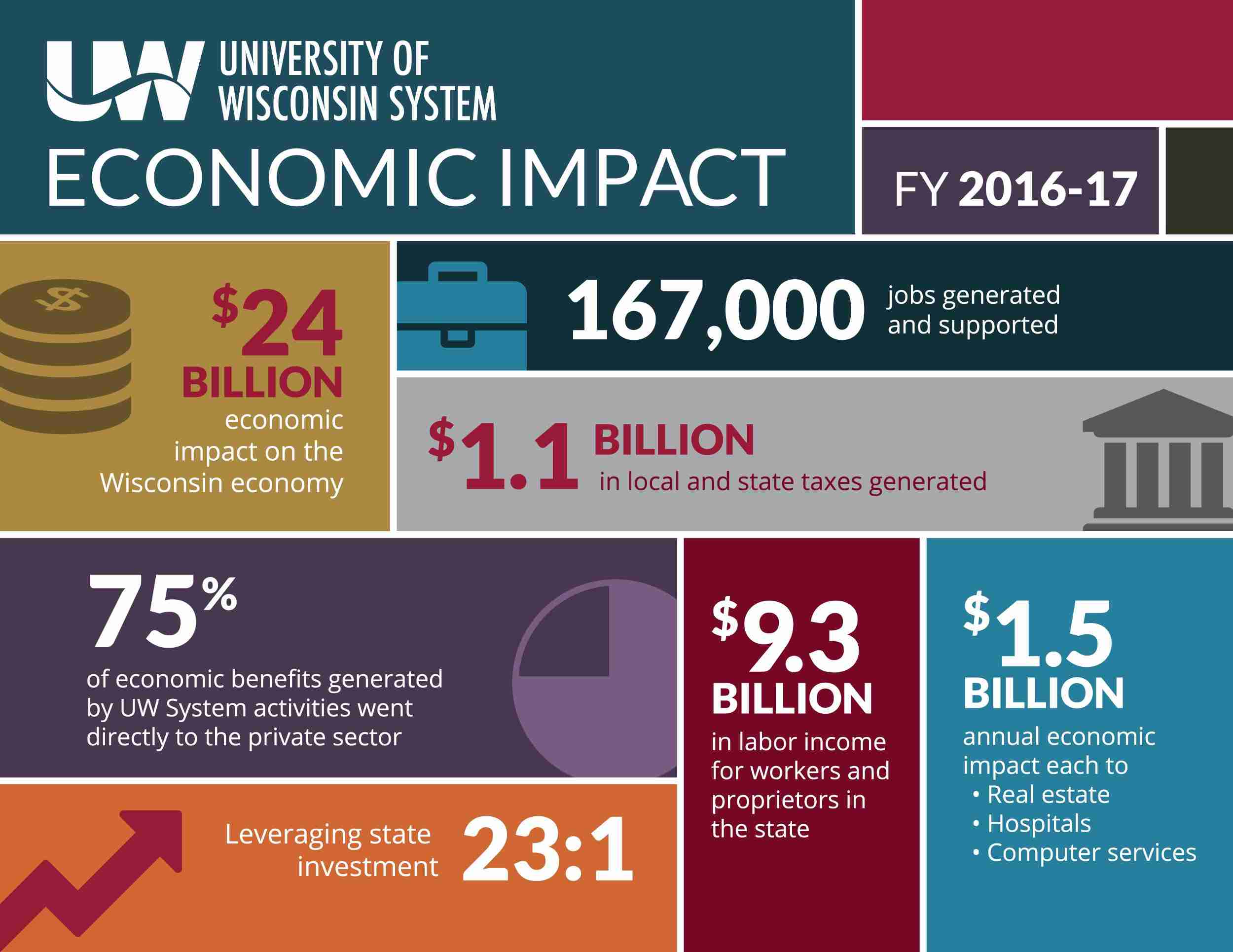
Economic Impact: Empowering Local Farmers Through Mini Mill Adoption
The integration of mini rice mills into local farming ecosystems has ushered in a new era of economic empowerment for farmers. By providing an affordable and efficient means of processing their own rice, these compact milling units have significantly reduced dependency on large, industrial mills. As a result, farmers can enjoy higher profit margins that were previously unattainable due to monopolistic practices and outrageous processing fees imposed by larger players. The direct control over processing allows for increased revenue opportunities, fostering a sense of independence among local farmers.
Moreover, the community-centric nature of mini mills encourages collaboration among farmers, leading to a creation of robust local economies. Farmers can form cooperatives to share resources, operate the mills, and market their products collectively. This not only enhances their bargaining power but also creates a ripple effect within the community, as profits generated are reinvested locally. Key benefits include:
- Job Creation: Local mini mills generate employment opportunities for both skilled and unskilled workers.
- Employment Stability: By supporting local enterprises, communities experience enhanced economic resilience.
- Quality Product: Farmers can ensure the quality of their rice, enhancing their brand and customer loyalty.
Future Prospects: Expanding the Reach of Mini Rice Mills in Global Markets
The integration of mini rice mills into the agricultural sector has the potential to revolutionize the accessibility and affordability of rice processing worldwide. As economies grow and consumers become more health-conscious, there is an increasing demand for sustainably sourced and processed foods. Mini rice mills can meet this need by providing localized processing facilities that reduce supply chain costs and environmental impact. By leveraging advanced technologies, manufacturers can produce these mills at a competitive price point, making them an attractive investment for farmers and entrepreneurs alike. Additionally, educational initiatives promoting their use will foster a culture of self-reliance in rice-producing communities and enhance food security.
Beyond local markets, the global outreach of mini rice mills holds remarkable prospects for fostering international cooperation and trade. Emerging markets, particularly in Asia and Africa, are witnessing a surge in population and urbanization, creating an urgent need for efficient agricultural practices. By establishing partnerships with governments, NGOs, and private investors, companies can expand their reach, making it easier for farmers in developing countries to access these innovative technologies. Furthermore, as we adapt to the realities of climate change, mini rice mills offer a sustainable solution by facilitating small-scale farming that can be quickly adaptive to shifts in the global marketplace.
| Key Benefits | Impact on Global Markets |
|---|---|
| Reduced Processing Costs | Increased accessibility to local rice markets |
| Environmentally Friendly | Attracted global investments in sustainable agriculture |
| Boosted Local Economies | Strengthened international trade relations |
| Enhanced Food Security | Facilitated adaptation to market dynamics |
The Way Forward
In an ever-evolving landscape where technology interlaces with tradition, the rise of combine mini rice mills represents a pivotal shift in agricultural practices. These innovative machines not only enhance efficiency but also empower small-scale farmers to thrive amidst the challenges of modern farming. As we embrace this transformation, it’s essential to recognize that the future of agriculture rests not solely on machinery, but on the sustainable practices that ensure food security and promote rural development. The journey of transforming agriculture is ongoing, and with the continued integration of such advancements, we may be poised to cultivate a greener, more resilient future for all. As we step forward, let us foster a dialogue that champions innovation while honoring the roots of our agricultural heritage. The field is ripe for change; what we sow today will undoubtedly bear the fruits of tomorrow.



