
In the world of grains, rice stands as a staple that has been a culinary cornerstone for centuries. Among the various methods of rice processing, parboiling has remained shrouded in mystery, its secrets locked away in the intricate steps of its production. Today, we embark on a journey to unveil the enigmatic process of parboiled rice, delving deep into its origins, techniques, and the transformative power that sets it apart from its conventional counterparts. Join us as we uncover the hidden gems of parboiled rice processing and unravel the mystique behind this ancient culinary treasure.
Exploring the Science Behind Parboiled Rice Production
Parboiled rice production is a fascinating process that involves more than just boiling rice. The secret behind parboiled rice lies in the intricate scientific steps that transform raw rice into the unique and nutritious product that we enjoy. To begin with, the rice kernels are soaked, steamed, and then dried before being milled. This pre-cooking process allows the nutrients present in the rice bran to penetrate the grain, resulting in a nutrient-rich final product.
One of the key scientific principles at play during parboiled rice production is gelatinization. This process involves breaking down the starches in the rice kernel, which not only makes the rice easier to digest but also gives it a firmer texture and prevents it from becoming mushy when cooked. Additionally, parboiled rice retains more vitamins and minerals than regular white rice, making it a healthier choice. Next time you enjoy a plate of fluffy parboiled rice, remember the science behind its unique texture and nutritional value.

Key Steps in Parboiled Rice Processing Techniques
Parboiled rice processing involves several key steps that are essential in ensuring the quality of the final product. One of the first steps in the process is soaking the raw rice in water, which helps to soften the outer bran layer. This allows for easier removal of the bran during subsequent milling.
After soaking, the rice is steamed under pressure, which helps to gelatinize the starches in the rice. This process also helps to retain the nutrients in the rice that would otherwise be lost during milling. Once steamed, the rice is dried before being re-milled to remove the bran layer, resulting in the final parboiled rice product that is known for its unique texture and nutritional benefits.
The Benefits of Parboiled Rice Compared to Regular White Rice
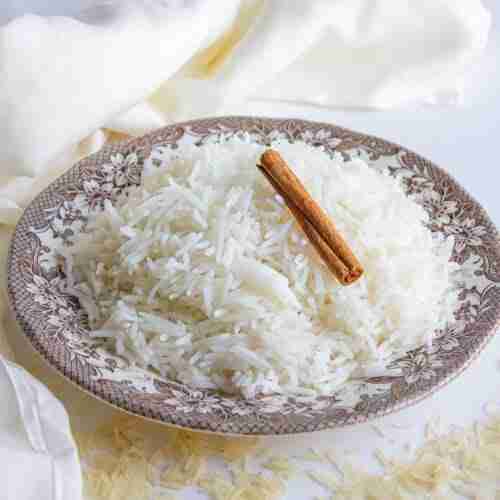
When it comes to the debate between parboiled rice and regular white rice, there are numerous benefits that make parboiled rice stand out. One of the main advantages of parboiled rice is its higher nutritional value compared to regular white rice. During the parboiling process, the rice is soaked, steamed, and dried before milling, which helps retain more nutrients, especially B vitamins and minerals, such as potassium and magnesium.
Another benefit of parboiled rice is its lower glycemic index compared to regular white rice. This means that parboiled rice is digested more slowly, resulting in a slower release of glucose into the bloodstream. As a result, parboiled rice can help stabilize blood sugar levels and keep you feeling full for longer periods.
Expert Tips for Achieving Optimal Parboiled Rice Quality
When it comes to achieving the best quality parboiled rice, there are a few key tips from experts in the field that can make all the difference. One important tip is to ensure that the paddy rice is properly dried before the parboiling process begins. This helps to ensure that the grains absorb the necessary moisture during processing, resulting in a more consistent final product.
Another expert tip is to carefully monitor the parboiling process to avoid overcooking the rice. This can be achieved by controlling the temperature and timing of each step, ensuring that the grains are heated evenly and thoroughly. Additionally, experts recommend using high-quality water for the parboiling process, as the quality of the water can impact the overall taste and texture of the rice.
Concluding Remarks
And there you have it, a glimpse into the fascinating world of parboiled rice processing. From soaking to steaming, drying to milling, each step in the process plays a crucial role in creating the perfect grain. Next time you enjoy a plate of fluffy, nutty parboiled rice, just know that a whole lot of science and skill went into its creation. So, the next time you take a bite, remember the secret behind parboiled rice processing, and savor every mouthful.




