
Welcome to the enchanting world of parboiled rice processing! Step inside the bustling production plant where ordinary rice grains are transformed into something truly extraordinary. Join us on a journey as we unravel the secrets behind the magical process of parboiling and discover the science and artistry that goes into creating this beloved staple. Get ready to witness the alchemy of turning raw rice into something truly enchanting.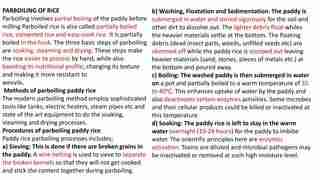
Heading 1: A Closer Look at the Parboiling Process: From Soaking to Steam-Rolling
Ever wondered what goes on behind the scenes to produce that perfectly cooked, fluffy bowl of rice on your dinner table? Step inside a parboiling processing plant and witness the fascinating transformation of raw rice grains into the beloved staple we all know and love.
At the heart of the parboiling process lies a carefully orchestrated series of steps that bring out the best in rice. It all begins with soaking the grains in water to prepare them for the next stage. Once sufficiently hydrated, the rice is subjected to steam-rolling, a crucial step that ensures uniform gelatinization of the grains. This unique process not only enhances the nutritional value of the rice but also results in a firmer texture and longer shelf life.

Heading 2: Quality Control Measures in Parboiled Rice Processing: Ensuring Consistency and Nutrient Retention
Within a parboiled rice processing plant, a series of meticulous quality control measures are implemented to ensure the consistency and nutrient retention of the final product. One of the key steps in this process is the thorough inspection of the raw rice grains before they undergo parboiling. Any impurities or damaged grains are carefully removed to guarantee a high-quality end result.
After parboiling, the rice is then dried at controlled temperatures to lock in nutrients and maintain the desired texture. To further enhance the quality of the rice, it is rigorously tested for moisture content, color consistency, and cooking properties. Through the implementation of strict quality control protocols, parboiled rice processing plants are able to deliver a product that meets the highest standards of excellence.

Heading 3: Environmental Impact of Parboiled Rice Production: Sustainable Practices and Waste Management
When you step inside a parboiled rice processing plant, you are immediately struck by the organized chaos of the machinery in motion. The pungent aroma of steaming rice fills the air, and the sound of water rushing through the production line is almost musical. The process of parboiling rice involves soaking, steaming, and drying the grains before further milling, resulting in a nutty flavor and firmer texture that sets it apart from traditional white rice.
At the heart of sustainable practices in parboiled rice production lies the careful management of waste generated during the process. By utilizing every part of the rice plant, from hulls to bran, producers are able to minimize environmental impact and maximize resource efficiency. Through composting, animal feed production, and biogas generation, parboiled rice processing plants are turning waste into valuable by-products, reducing their carbon footprint and contributing to a more sustainable food industry.
Heading 4: Tips for Cooking with Parboiled Rice: Enhancing Flavor and Texture with Proper Preparation
When it comes to cooking with parboiled rice, proper preparation is key to enhancing both the flavor and texture of your dishes. By understanding the unique processing techniques used in preparing parboiled rice, you can unlock the full potential of this versatile ingredient. Here are some tips to help you make the most out of cooking with parboiled rice:
- Rinse the rice: Before cooking, rinse the parboiled rice to remove any excess starch and prevent clumping.
- Soak the rice: For a fluffier texture, consider soaking the rice in water for at least 30 minutes before cooking.
- Use the right amount of water: Follow the package instructions or use a 2:1 ratio of water to rice for best results.
- Fluff the rice: After cooking, fluff the rice with a fork to separate the grains and prevent them from sticking together.
By following these simple tips, you can elevate your dishes with perfectly cooked parboiled rice that is bursting with flavor and has a delightful texture. Whether you are whipping up a quick stir-fry or a hearty pilaf, parboiled rice is sure to impress with its versatility and delicious taste.
In Retrospect
As we conclude our journey through the parboiled rice processing plant, we hope that you have gained a deeper understanding and appreciation for this magical transformation of rice grains. From soaking and steaming to drying and milling, each step in the process plays a crucial role in producing the unique texture and flavor of parboiled rice. Next time you enjoy a delicious bowl of parboiled rice, remember the intricate process that goes into bringing this staple food to your plate. Thank you for joining us on this fascinating exploration of the world of parboiled rice.




