
Unveiling the Journey: The Art and Science of Rice Processing
Rice, often dubbed the “grain of life,” is more than just a staple food for billions around the globe; it is a cornerstone of culture, tradition, and sustenance. Behind its humble appearance lies a complex journey—a captivating interplay of nature, innovation, and meticulous craftsmanship. From the lush rice paddies swaying gracefully in the wind to the bustling mills that transform raw husks into polished grains, the processing of rice is both an art and a science. This article embarks on an exploration of the intricate steps involved in rice processing, highlighting the techniques and technologies that have evolved over centuries. As we peel back the layers of this essential crop, we will discover not only the methods that ensure quality and flavor but also the remarkable stories of the people and cultures that breathe life into this vital grain. Join us as we unveil the journey of rice processing, a narrative rich with tradition and driven by innovation.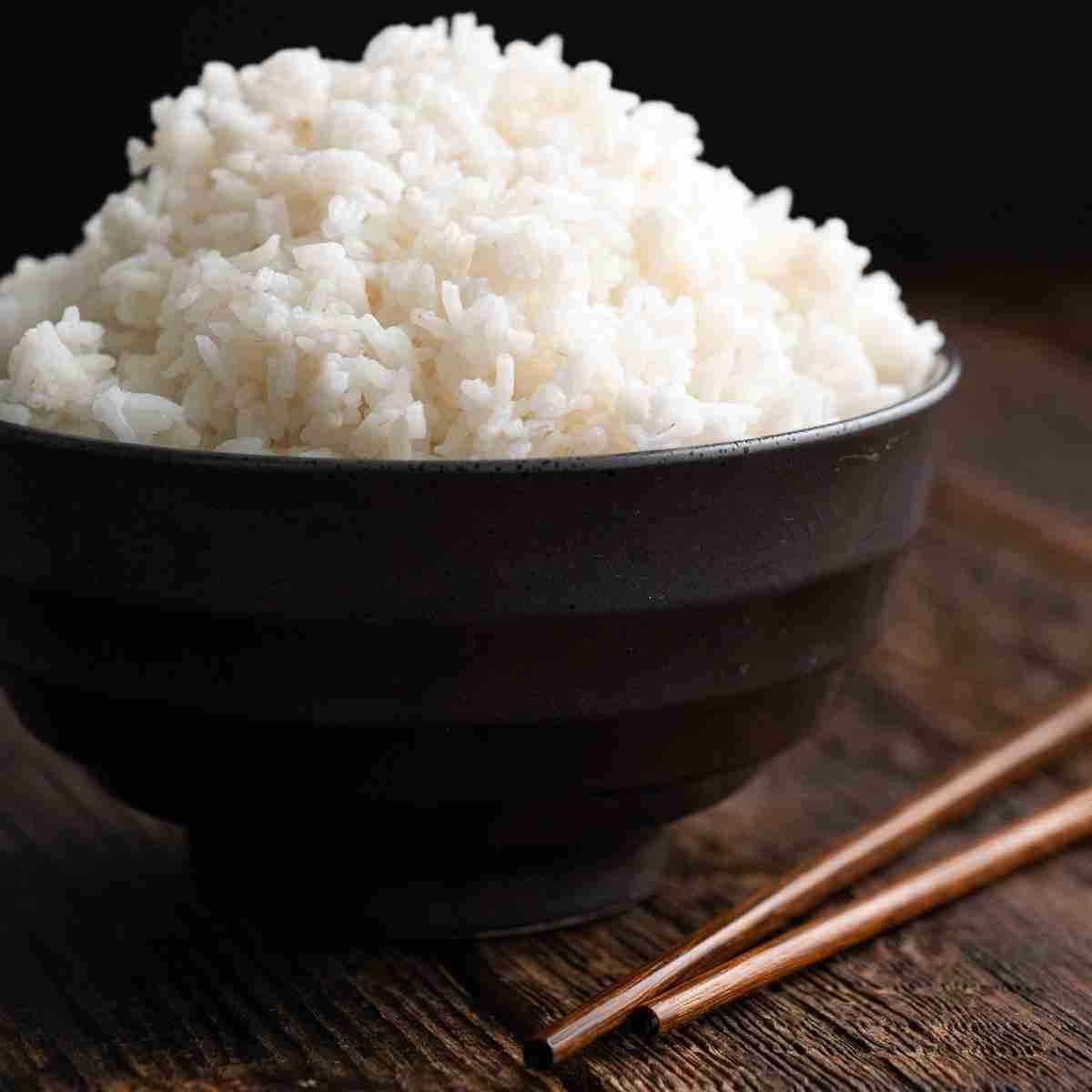
Understanding Rice Varieties and Their Unique Processing Needs
Rice has evolved into an extraordinary staple food, and the journey from paddy to plate often hinges on the specific variety being processed. Each type of rice boasts distinct characteristics, influencing not only flavor and texture but also the processing methods necessary to bring out its best attributes. For instance, Jasmine rice is known for its fragrant aroma and soft, sticky texture when cooked, which calls for a steaming method that enhances its natural sweetness. In contrast, Basmatí rice, celebrated for its long grains and delicate floral notes, requires a soaking process that elongates the grains while preventing clumping during cooking. Other varieties, such as Arborio, used in risotto, necessitate different water-to-rice ratios and stirring techniques to release their starches for that creamy consistency. Ultimately, understanding these unique needs is essential in preserving the individual qualities that make each rice variety special.
The processing methods of these rice varieties are not merely technical; they are also an art form that reflects cultural heritage and agricultural practices. Factors such as humidity, ambient temperature, and even soil conditions can dramatically alter the final product. For farmers and processors, adjustments may include the timing of harvest, which affects moisture levels, and the milling techniques applied. Below is a simplified comparison of selected rice varieties and their processing essentials:
| Rice Variety | Key Processing Method | Unique Characteristic |
|---|---|---|
| Jasmine | Steaming | Fragrant, sticky |
| Basmatí | Soaking | Light, fluffy |
| Arborio | Stirring | Creamy texture |
The intricate relationship between rice varieties and their processing needs draws attention to the importance of sustainable practices and innovation in the rice industry. As consumer preferences shift, it becomes vital for processors to adapt techniques that not only preserve the unique characteristics of each rice type but also meet modern demands for quality and sustainability. By embracing both tradition and advancement, stakeholders can ensure that rice continues to fulfill its role as a cornerstone of global cuisine and nutrition, promoting a deeper appreciation for this remarkable grain.

The Role of Modern Technology in Enhancing Rice Processing Efficiency
The integration of modern technology into rice processing has significantly transformed the traditional methods used in milling and production. Innovations such as automatic milling machines and sensor-based quality control systems have streamlined operations, reducing labor intensity and minimizing human error. Implementing machine learning algorithms allows processors to predict yield outcomes based on various environmental factors, ensuring a more resilient supply chain. Furthermore, advancements in automation technology facilitate faster turnaround times in production, which is crucial in meeting the increasing global demand for rice.
Additionally, the role of digital platforms in enhancing traceability cannot be overstated. With the use of blockchain technology, stakeholders can track rice from field to table, ensuring transparency and quality assurance. This system fosters trust among consumers and producers alike. Data analytics tools empower farmers and processors to optimize their operations through real-time monitoring and reporting, which aids in decision-making. The convergence of these technologies not only enhances efficiency but also helps in reducing waste, ultimately promoting sustainable practices in the rice processing industry.

Traditional Techniques vs. Contemporary Innovations: Striking a Balance
In the intricate world of rice processing, a fascinating tug-of-war exists between the esteemed practices of yore and the groundbreaking technologies emerging today. Traditional methods, often passed down through generations, boast a rich cultural heritage, directly linking communities to their agricultural roots. Techniques such as hand-pounding and sun-drying reflect the wisdom and labor of skilled artisans, ensuring the preservation of flavors and aromas that modern machinery simply cannot replicate. However, these time-honored approaches can be labor-intensive and prone to inconsistency, raising questions about sustainability and efficiency in a world that demands both.
As we stand at this crossroads, contemporary innovations present transformative possibilities that could amplify the art of rice processing without sacrificing its heritage. Automated milling systems, precision sorting technologies, and eco-friendly drying methods ascertained through rigorous research offer unprecedented advantages. Some notable benefits include:
- Increased Efficiency: Reducing processing time significantly while maintaining quality.
- Resource Optimization: Minimizing water and energy consumption, lowering the carbon footprint.
- Consistency and Scalability: Ensuring uniformity of product quality to meet global demand.
Ultimately, the fusion of these two realms—traditional and modern—invites a symbiotic relationship where artisans can embrace innovative tools while remaining steadfast to familiar techniques. This delicate balance may well define the future of rice processing, celebrating both the age-old crafts and the innovations that advance them.
Sustainability in Rice Processing: Strategies for an Eco-Friendly Future
The journey towards a sustainable approach in rice processing is becoming increasingly crucial, as the demand for eco-friendly practices continues to rise. One of the primary strategies is the adoption of energy-efficient technologies that minimize energy consumption during milling and processing. This not only reduces greenhouse gas emissions but also lowers operational costs for mill owners. Alongside energy efficiency, integrating renewable energy sources, such as solar or biogas, into rice processing facilities can significantly lower reliance on fossil fuels. Furthermore, embracing water management techniques, including rainwater harvesting and recycling, can help conserve this precious resource and reduce water wastage during the milling process.
Equally important is the emphasis on waste reduction and utilization. Rice processing generates various by-products, such as husks, bran, and broken rice, which can be transformed into valuable resources. For example, husks can be used for biomass fuel or as a substrate for mushroom cultivation, while rice bran has applications in food, cosmetics, and nutraceuticals. Implementing methods for sustainable sourcing of raw materials also plays a critical role; cultivating rice using organic agricultural practices can enhance soil health and biodiversity, aligning with broader environmental goals. By prioritizing these strategies, the rice processing industry can carve a path towards a future that balances productivity with ecological responsibility.
Key Takeaways
As we draw the curtain on our exploration of rice processing, it becomes clear that this seemingly simple grain carries with it a wealth of stories, traditions, and innovations. The intricate dance between art and science in turning paddy into polished rice is not just a technical endeavor; it’s a journey steeped in culture and community. From the meticulous cultivation of rice fields to the sophisticated techniques employed in the milling process, each step is a testament to human ingenuity and resilience.
As consumers, we may take for granted the transformation that occurs behind the scenes, but understanding the complexities of rice processing invites a greater appreciation for this staple food. Whether it’s the carefully calibrated moisture levels, the precision of milling techniques, or the delicate balance of flavors in the final product, every aspect plays a critical role in delivering the rice that graces our tables.
Let us carry forward this newfound insight, acknowledging the myriad hands and minds that contribute to our meals. In a world where food security and sustainability are ever-pressing challenges, recognizing the artistry and science of rice processing is a small but significant step in fostering respect for our food systems. Here’s to the journey of rice — a cherished grain that unites us through a shared culinary heritage, bridging cultures and communities across the globe.




