
Unlocking the Journey: The Art and Science of Rice Processing
From the golden fields swaying gently in the breeze to the steaming bowl served at your dinner table, rice embodies a journey rich with tradition, innovation, and sustenance. As one of the world’s most vital staple foods, its transformation from paddy to plate is an intricate dance of art and science. In our exploration of “Unlocking the Journey: The Art and Science of Rice Processing,” we delve into the multifaceted processes that breathe life into this humble grain. From the ancient techniques honed by generations of farmers to the cutting-edge technologies redefining efficiency and quality, we unveil the meticulous craft involved in rice processing. Join us as we navigate this fascinating journey, uncovering the delicate balance of tradition and modernity that shapes the rice industry today. Whether you are a curious consumer, a culinary enthusiast, or an industry professional, this exploration promises to illuminate the extraordinary journey of rice and the expertise that transforms it into a global staple.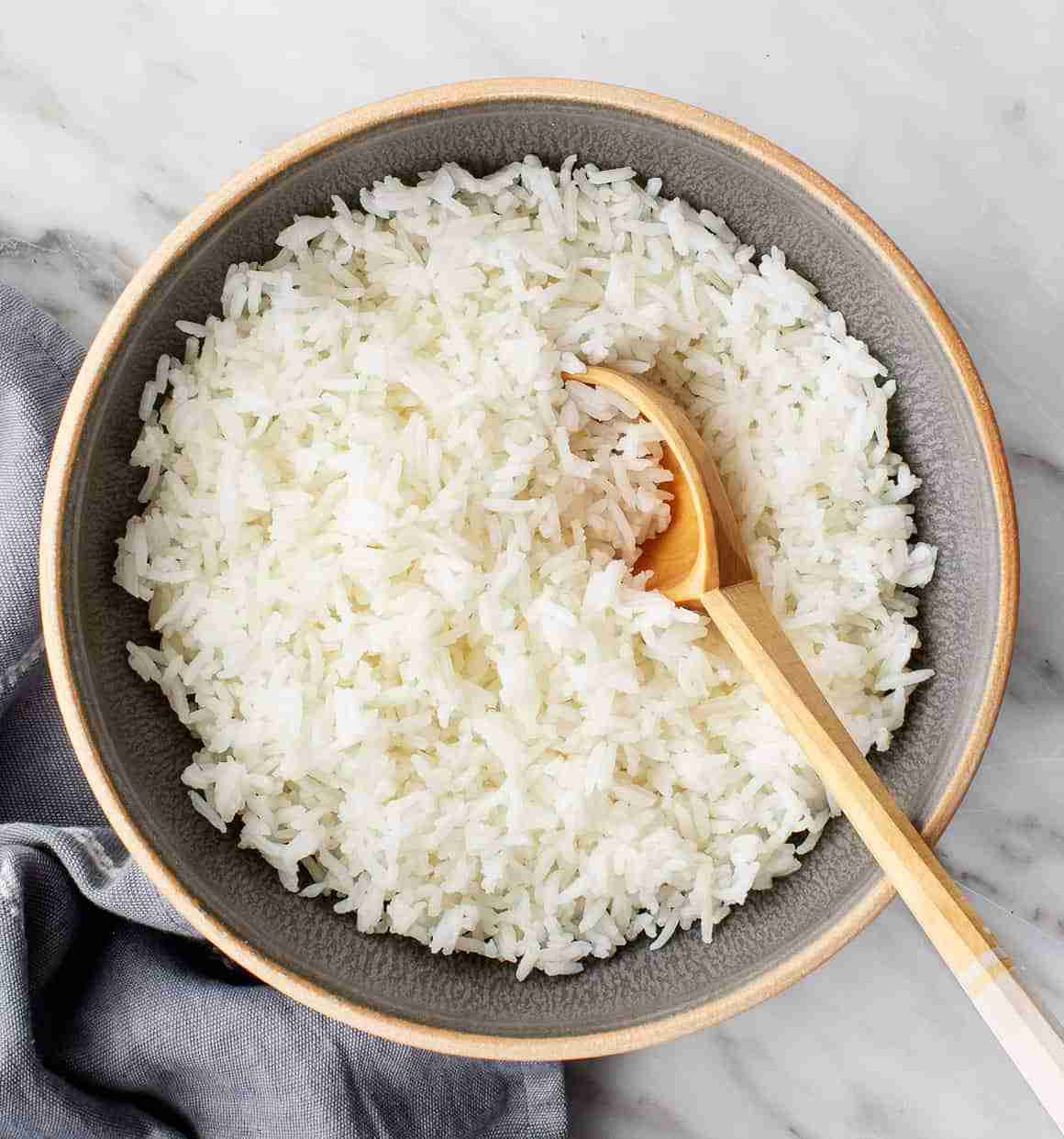
Exploring the Lifecycle of Rice: From Field to Bowl
The journey of rice from the swaying fields to our bowls is a remarkable blend of nature and human ingenuity. The lifecycle begins with the careful selection of soil, where the right combination of nutrients is essential for optimal growth. Farmers prepare the fields, often using a method of puddling that involves flooding the land to suppress weed growth while retaining moisture. As the rice plants grow, they undergo various stages, from germination to maturity, and each phase requires meticulous care. The art of cultivation is accompanied by scientific techniques; for instance, utilizing integrated pest management to protect the crops while minimizing environmental impact. The culmination of these efforts is a lush, green landscape dotted with golden ears of rice ready for harvest.
Once harvested, the transformation continues through processing, where paddy rice undergoes several critical steps to reach its final form. This includes drying, which reduces moisture content to prevent spoilage, and milling, where husks are removed to convert it into brown rice. Further processing often involves whitening, which polishes the rice to enhance its appearance and extend shelf life. The following table highlights the various stages of rice processing:
| Stage | Description |
|---|---|
| Harvesting | Cutting down mature rice plants and collecting them. |
| Drying | Reducing moisture content to prevent spoilage. |
| Milling | Removing husks and polishing the rice grains. |
| Packaging | Sealing the processed rice for sale and distribution. |
This seamless transition from field to bowl embodies the harmonious relationship between agriculture and science, showcasing how age-old practices can be enhanced through modern techniques. In essence, each grain of rice carries a story of labor, dedication, and an intricate dance of natural elements, culminating in the comfort of a steaming bowl ready to nourish and delight.

The Science Behind Processing Techniques: Enhancing Quality and Flavor
Understanding the intricacies of rice processing techniques reveals how scientific principles are utilized to enhance both the quality and flavor of this staple food. Different methods, such as parboiling, milling, and aging, contribute distinct characteristics to the final product, improving both nutritional value and taste. For instance, parboiling involves soaking the rice before steaming it, which enhances its flavor profile by allowing the grains to absorb vitamins from the bran. This method not only preserves the nutritional components but also lends a unique, nutty flavor that elevates the dining experience.
Moreover, the milling process plays a crucial role in determining the texture and appearance of rice. Polished rice achieves a glossy finish, but at the cost of nutritional value since the bran and germ are removed. Conversely, brown rice retains its bran layer, offering a chewier texture and more earthy flavor. With the rising trend towards health-conscious diets, alternative processing techniques are being explored, such as wet milling, which produces a softer grain while retaining more nutrients. Understanding these processing techniques allows rice producers to innovate and cater to shifting consumer preferences for flavor, texture, and health benefits.
| Processing Technique | Benefits | Flavor Impact |
|---|---|---|
| Parboiling |
|
Nutty flavor |
| Milling |
|
Neutral to polished |
| Wet Milling |
|
Subtle and creamy |
Innovative Technologies in Rice Milling: Transforming Traditional Practices
The rice milling industry has undergone a significant transformation with the advent of innovative technologies that streamline traditional methods, enhancing efficiency and sustainability. One of the most notable advancements includes the integration of automated milling systems, which utilize AI-driven algorithms to optimize every stage of processing. This not only reduces labor costs but also minimizes waste by precisely controlling the amount of husk removed from the rice, ensuring better yield rates. Other cutting-edge technologies, such as infrared and laser sorting systems, enable the identification and removal of impurities with remarkable accuracy, further elevating the quality of the final product.
Moreover, the rise of smart milling solutions has introduced a data-centric approach to rice processing. Through the use of Internet of Things (IoT) devices, mill operators can monitor processes in real-time, allowing for proactive maintenance and reducing downtime. These systems collect valuable data that can be analyzed to improve operational efficiency and predict potential issues before they arise. Additionally, sustainable practices like biomass energy generation from by-products of the milling process are becoming more mainstream, illustrating a commitment to not only enhance productivity but also contribute positively to the environment.
| Technology | Benefits |
|---|---|
| Automated Milling Systems | Cost-effective; reduced waste; improved yield |
| Infrared/Laser Sorting | Enhanced quality; precision impurity removal |
| Smart Milling Solutions | Real-time monitoring; predictive maintenance |
| Biomass Energy | Sustainable; eco-friendly; energy-efficient |
Sustainability in Rice Production: Balancing Efficiency and Environmental Responsibility
In the global quest for food security, the rice production industry faces an intricate challenge: how to meet growing demand while safeguarding our planet. Sustainable practices are essential in achieving this balance, requiring a meticulous approach to resource management. This involves adopting innovative agricultural techniques, such as crop rotation and integrated pest management, which not only enhance yield but also minimize the environmental footprint. Farmers are increasingly leveraging technology to monitor soil health and water usage, which cultivates a culture of accountability and reduces waste.
An essential aspect of sustainable rice production is the promotion of organic farming principles. These principles emphasize biodiversity and the use of natural fertilizers, which enhance soil quality without the adverse effects of synthetic chemicals. Further, adopting water-saving irrigation techniques, like the System of Rice Intensification (SRI), can significantly diminish water consumption by as much as 30%. To illustrate this, consider the following table summarizing key sustainable practices and their benefits:
| Practice | Benefit |
|---|---|
| Crop Rotation | Improves soil fertility and reduces pests |
| Use of Organic Fertilizers | Enhances soil health without chemical runoff |
| SRI Irrigation Techniques | Reduces water usage by up to 30% |
To Conclude
As we conclude our exploration of “Unlocking the Journey: The Art and Science of Rice Processing,” we find ourselves at the intersection of tradition and innovation. This multifaceted journey—from the paddy fields to the polished grains on our plates—serves as a testament to humanity’s enduring relationship with this staple food. Each step in the rice processing chain is steeped in cultural significance, yet also grounded in advances in technology and science that enhance efficiency and sustainability.
The delicate balance between age-old techniques and modern practices highlights a rich tapestry woven from diverse global influences. As we embrace these methods, we recognize not only the intricate work of farmers and processors but also the vital role of rice in addressing food security and promoting economic development.
In a world that continues to evolve, let us appreciate the nuances of rice processing—not merely as a means of nourishment but as a symbol of perseverance, adaptability, and connection. As you savor your next bowl of rice, remember the journey it has undertaken to reach you, celebrating both the artistry and the science that made it possible. Thus, we invite you to reflect on this journey and engage with the narratives that rice carries, ensuring its legacy endures for generations to come.




