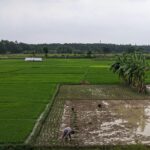
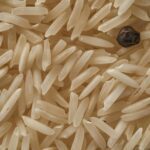
In the world of culinary delights, rice stands as a staple, transcending cultures and cuisines. Among its many forms, parboiled rice emerges as a unique variant, celebrated for its enhanced nutritional value and distinct texture. But what lies behind the humble grain that adorns our plates? The journey of parboiled rice begins at processing plants, where a meticulous combination of steam and heat transforms raw rice into a product that not onyl retains essential nutrients but also boasts improved cooking qualities. in this article, we delve into the intricate world of parboiled rice processing plants, uncovering the innovations and techniques that unlock the true quality of this versatile staple. From the scientific principles underpinning the process to the economic factors influencing production, we explore how these facilities are redefining our relationship with one of the world’s moast significant food sources. Join us as we unveil the layers of craftsmanship and technology that empower the global rice industry, one grain at a time.
Understanding the Parboiling Process and Its Impact on Rice Quality
The parboiling process, a unique pre-cooking method, plays a vital role in enhancing the quality of rice. By partially cooking the rice in its husk, this technique allows for the absorption of nutrients from the bran layer into the grain, resulting in a more nutritious end product. This conversion leads to a number of advantages, including:
- Improved texture: Parboiled rice tends to be firmer and less sticky when cooked, offering a more distinct grain.
- Enhanced nutritional value: The nutrient infusion during parboiling increases the vitamin and mineral content, elevating the health benefits for consumers.
- Extended shelf life: The process reduces the likelihood of rancidity and insect infestations, allowing for longer storage.
Moreover, the impact of the parboiling procedure can be quantified through various metrics that reflect overall rice quality. The table below illustrates some key quality indicators associated with parboiled rice:
| Quality Indicator | Parboiled Rice | Regular Rice |
|---|---|---|
| Cooking Time | Shorter | Longer |
| Grain Firmness | Higher | Lower |
| Nutritive Value | Enhanced | standard |
Through the intricate science of parboiling, rice processing plants are equipped to produce a superior product that not only meets consumer preferences but also contributes to food security and sustainability efforts.This method continues to reshape the landscape of rice production by harmonizing tradition with innovation.
Key Technologies in Parboiled rice Processing Plants
In the realm of parboiled rice processing,several key technologies play a vital role in transforming raw rice into a superior quality product. The process begins with steaming, which involves soaking the rice in hot water, followed by steaming it under controlled temperatures. This method not only enhances the nutritional value of the rice but also helps in reducing breakage during milling. Essential components of this stage include:
- Steam Generators: Provide consistent and controlled steam for optimal cooking.
- Soaking Tanks: Ensure even absorption of water in the grains.
- Temperature Control systems: Maintain precise heat levels for effective steaming.
the milling phase is equally important, where modern milling technologies such as husking machines and whitening mills come into play. These machines are designed to enhance efficiency and minimize damage to the white rice grains, ensuring a high yield of quality rice. Key features of these technologies include:
| Technology | Function |
|---|---|
| Husking Machines | Remove the outer husk without breaking the grain. |
| Whitening Mills | Polish the rice to improve appearance while minimizing losses. |
| color Sorters | Eliminate discolored or damaged grains for superior quality. |
Best Practices for Ensuring quality Control in Rice Processing
To maintain high standards in rice processing, it is indeed imperative to implement systematic quality control measures at every stage of the production workflow. Regular monitoring of raw materials is essential for ensuring that only the best-quality paddy enters the milling process. Key practices include:
- Visual Inspection: Inspect grains for color, size, and any signs of pests or damage.
- Moisture Content Measurement: Use moisture meters to ensure levels are within acceptable ranges for optimal processing.
- Batch Testing: Conduct frequent tests on random batches to check for contaminants and ensure adherence to safety standards.
In addition to the initial checks, process control during milling and parboiling phases is crucial for preserving rice quality. Effective techniques include:
- Temperature Control: Maintain precise temperatures during parboiling to inhibit nutrient loss and enhance grain texture.
- Time Management: Adhere strictly to established time frames for each step of processing to avoid over or under-processing.
- Equipment Calibration: Ensure all machinery is regularly serviced and calibrated for accuracy in operations.
Sustainable Approaches to Enhancing Parboiled rice Production
As the demand for high-quality parboiled rice grows, it’s essential to implement sustainable methods that not only enhance production but also minimize environmental impact. Adopting practices that prioritize soil health, water conservation, and reduced chemical use can considerably boost yields while ensuring the long-term viability of rice farming. Sustainable approaches include:
- Crop Rotation: Alternating rice with legumes or other crops to restore nutrients in the soil and prevent pest build-up.
- Organic Fertilizers: Utilizing compost and green manure to enhance soil quality and reduce reliance on synthetic fertilizers.
- Water Management: Implementing efficient irrigation systems like drip irrigation to conserve water and reduce flooding of rice paddies.
- Agroforestry: Integrating tree planting around rice fields to improve biodiversity and create a micro-ecosystem that benefits both crops and wildlife.
Additionally, the modern parboiling process itself can be optimized for sustainability. Investing in energy-efficient technologies can reduce costs and carbon footprints during processing. Furthermore, ensuring that processing plants adhere to best practices can significantly improve quality and sustainability metrics. Some key considerations in enhancing processing include:
| Technique | Benefit |
|---|---|
| Solar Drying | Reduces energy consumption and preserves the nutritional quality of rice. |
| Efficient Milling | Minimizes waste and increases the yield of high-quality rice. |
| Waste utilization | Using rice husks for energy or as a soil amendment to close the loop on production waste. |
Final Thoughts
As we conclude our exploration of parboiled rice processing plants, it’s clear that these facilities are more than just hubs of production; they are vital ecosystems that blend tradition and innovation. The intricate processes employed not only unlock the quality of this staple food but also enhance its nutritional value, preserve its natural flavors, and extend its shelf life.as global demands shift and food sustainability becomes paramount, understanding the importance of these plants becomes ever more critical.
In a world where quality ofen competes with quantity, parboiled rice processing plants stand as a testament to the commitment to excellence. By harnessing science and technology,they ensure that we can enjoy the benefits of high-quality rice without compromising on taste or health.As we move forward, let us appreciate the craftsmanship behind each grain, recognizing that every morsel tells a story of meticulous care and dedication. The journey of parboiled rice is not just about the end product; it reflects the intricate dance of agricultural innovation and cultural heritage, beckoning us all to savor the quality that lies within.