
Unlocking Nutrition: The Journey of Parboiled Rice Processing
In the bustling world of grains, where each kernel carries the weight of tradition and sustenance, one particular variety stands out for its unique preparation and nutritional benefits: parboiled rice. Often overshadowed by its more commonly known counterparts, parboiled rice embodies a fascinating interplay of science and culture. Its journey—from gleaming paddy fields to the steaming plates gracing our homes—unfolds a story rich in history and innovation.
As we delve into the intricate process of parboiling, we’ll explore how this technique not only enhances the rice’s nutritional profile but also transforms its texture and flavor, making it a staple in various culinary traditions around the globe. Join us as we unlock the secrets of this remarkable grain, illuminating the steps that elevate parboiled rice from a humble crop to a powerhouse of nourishment. Through the lens of agriculture, technology, and gastronomy, we invite you to discover the remarkable journey of parboiled rice processing and the benefits it carries for health-conscious consumers and food enthusiasts alike.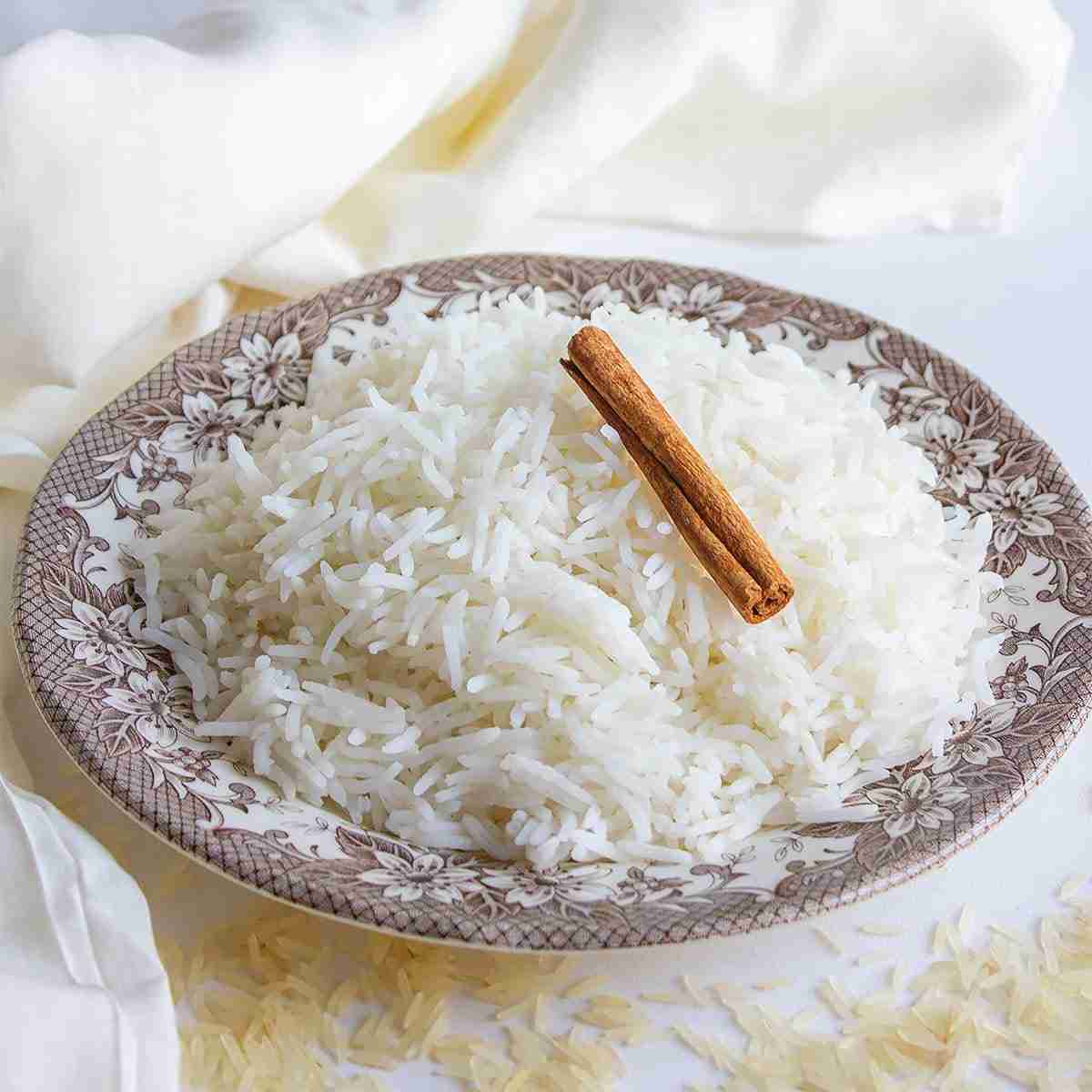
The Transformation Process of Parboiled Rice and Its Nutritional Benefits
Parboiled rice undergoes a fascinating transformation that begins with soaking, followed by steaming and drying the rice before milling. This multi-step process not only enhances the flavor and texture but also improves the grain’s nutritional profile. During soaking, the rice absorbs water, allowing the vitamins and minerals from the husk to migrate into the grain. The subsequent steaming locks in these nutrients while gelatinizing the starch, resulting in a firmer, less sticky grain after cooking. This unique preparation method means that parboiled rice retains more of its natural nutrients compared to regular white rice, making it a wise choice for health-conscious consumers.
The nutritional benefits of this rice are numerous. Key benefits include:
- Higher Fiber Content: Retains more fiber, aiding digestion and promoting satiety.
- Enhanced Vitamin Profile: Rich in vitamins such as B1 (thiamine) which supports energy metabolism.
- Lower Glycemic Index: Offers a slower release of carbohydrates, making it a suitable option for blood sugar management.
| Nutrients | Regular White Rice | Parboiled Rice |
|---|---|---|
| Fiber (g) | 0.6 | 1.5 |
| Thiamine (mg) | 0.07 | 0.10 |
| Glycemic Index | 70 | 50 |
Understanding the Science Behind Parboiling: How Heat and Moisture Enhance Grain Quality
Parboiling rice is not merely about heating grains; it is a meticulous process that amalgamates heat and moisture to transform raw rice into a nutrient-rich staple. During parboiling, rice kernels are soaked and then steamed under controlled temperatures, which causes the starches to gelatinize. This process enhances the grain’s structure and makes it more resilient during further cooking. By partially cooking the rice this way, the nutrients from the bran layers are absorbed into the endosperm, enriching the final product with essential vitamins and minerals. The heat not only aids in preparing the grains for cooking but also contributes to improved texture, making parboiled rice less sticky compared to its non-parboiled counterpart.
The science of moisture management during this process cannot be understated. The careful control of water levels allows for the uneven distribution of heat to be mitigated, ensuring an even cooking process. As a result, parboiled rice exhibits several advantages:
- Improved Shelf Life: The partial cooking process reduces the moisture content, minimizing spoilage.
- Nutritional Retention: More nutrients are retained in the grains compared to regular boiling methods.
- Enhanced Flavor: The steaming process infuses the grains with a nuttier flavor.
To facilitate a deeper understanding, the table below summarizes the key differences between parboiled and regular rice:
| Feature | Parboiled Rice | Regular Rice |
|---|---|---|
| Nutritional Content | Higher due to nutrient absorption | Lower in nutrients |
| Cooking Time | Shorter | Longer |
| Texture | Firm and non-sticky | Soft and sticky |
Sustainable Practices in Parboiled Rice Processing: Balancing Tradition with Innovation
In the realm of parboiled rice processing, integrating sustainable practices has become essential to ensure environmental harmony while preserving traditional methods. This fusion of heritage and innovation offers a pathway that enhances both quality and ecological responsibility. Farmers are increasingly adopting water-efficient irrigation techniques and organic farming practices, which not only improve the flavor and nutritional content of rice but also minimize chemical runoff and soil degradation. Local communities are also getting involved, utilizing traditional and sustainable methods for storage and transport, ensuring that the quality of rice remains intact throughout its journey from farm to table.
Innovative technologies are playing a crucial role in reducing the carbon footprint of parboiled rice production. Modernizing milling processes to utilize less energy and reduce waste is paramount. Companies are investing in:
- Renewable energy sources, such as solar or wind power, for their operations
- Water purification systems to recycle water used in processing
- Efficient husk disposal methods that convert waste into biofuel or organic fertilizer
Moreover, the rise of eco-friendly packaging, designed to reduce plastic usage, reflects a deeper commitment to sustainability. These innovations not only maintain the nutritional integrity and flavor of parboiled rice but also address the urgent need for environmentally conscious production methods in agriculture.
| Traditional Practices | Sustainable Innovations |
|---|---|
| Manual harvesting and drying | Mechanized harvesting with reduced water usage |
| Use of chemical fertilizers | Organic fertilizers improving soil health |
| After-harvest loss from inadequate storage | Improved storage facilities to minimize wastage |
Cooking with Parboiled Rice: Tips for Maximizing Flavor and Nutritional Value
Cooking with parboiled rice opens a world of possibilities, allowing you to enhance both the flavor and nutritional value of your meals. To truly maximize these benefits, consider the following techniques:
- Rinse before cooking: Although parboiled rice is pre-cooked and has fewer starches, a quick rinse under cold water can help remove any residual surface starch, ensuring fluffy grains.
- Use broth instead of water: Replacing water with your choice of vegetable, chicken, or beef broth infuses the rice with added depth and flavor, making it an exciting base for any dish.
- Incorporate spices: Experiment by adding spices such as cumin, turmeric, or bay leaves to the cooking liquid, transforming plain rice into a vibrant side dish.
In addition to flavor enhancements, parboiled rice boasts considerable nutritional advantages that can be easily highlighted through your cooking methods. When you sauté the rice in a bit of oil before boiling, it not only adds a nutty aroma but also helps retain its nutrients effectively. Consider the following options for nutrient enhancement:
| Enhancement | Nutritional Benefit |
|---|---|
| Leafy Greens: Stir in spinach or kale | Boosts vitamin A and iron content |
| Beans and Legumes: Mix in chickpeas or black beans | Increases protein and fiber |
| Nuts and Seeds: Top with almonds or sesame seeds | Adds healthy fats and crunch |
In Conclusion
As we conclude our exploration into the intricate journey of parboiled rice processing, it becomes clear that this seemingly simple grain is a testament to the intersection of nature, culture, and ingenuity. From the lush fields where rice grows to the meticulous steps that transform it into a paragon of nutrition, each phase of this process tells a story of resilience and respect for food. By unlocking the secrets of parboiled rice, we not only gain insight into its nutritional benefits but also appreciate the traditions that have shaped its production.
In an era where food choices are abundant yet often overwhelming, understanding the value behind what we consume empowers us to make informed decisions. As we continue our quest for healthier lifestyles and sustainable practices, parboiled rice stands as a versatile ally, rich in heritage and potential. So, the next time you savor this wholesome grain, remember the remarkable journey it has taken—from field to table—transforming not just our diets, but also our connection to the world of nutrition.




