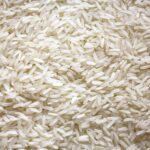
Unlocking Flavor: The Science of Parboiled Rice Processing
In the heart of kitchens around the world, rice has long held a cherished place on our plates—an ingredient that transcends cultures and cuisines. Yet, not all rice is created equal. Among the multitude of varieties lies parboiled rice, a unique grain that has undergone a fascinating transformation before reaching our tables. But what exactly is parboiling, and how does this intricate processing method unlock a richer flavor and enhanced nutritional profile? This article delves into the science behind parboiled rice processing, exploring the methods that elevate this humble staple and the significant impact it has on taste, texture, and health. Join us as we unpack the secrets of this culinary marvel, unraveling the steps that turn plain rice into a powerhouse of flavor and sustenance.
Understanding the Parboiling Process and Its Impact on Grain Texture
The parboiling process involves three key stages: soaking, steaming, and drying. During the first stage, whole grains of rice are soaked in water, allowing the grains to absorb moisture and swell. This initial hydration prepares the grains for the subsequent steaming phase, where they are subjected to high-pressure steam. This crucial step not only firms up the grains but also initiates gelatinization of the starches. The final stage, drying, ensures that the grains are preserved with a reduced moisture content. As a result, the cooking qualities of parboiled rice are significantly enhanced, offering a firmer texture that stands up well to various culinary applications.
The transformation undergone by rice during parboiling significantly impacts its texture and nutritional profile. Benefits of this process include:
- Enhanced texture: The grains maintain their shape and firmness, reducing the likelihood of them becoming mushy during cooking.
- Improved nutrient retention: Parboiling helps to transfer water-soluble vitamins from the outer bran to the inner grain.
- Shortened cooking time: As the grains are partially cooked, they require less time to prepare, making them more convenient for home cooks.
Exploring further, the structural changes in the grains lead to different culinary experiences. The following table summarizes the typical characteristics of parboiled rice compared to regular rice:
| Aspect | Parboiled Rice | Regular Rice |
|---|---|---|
| Texture | Firm and separated | Softer and stickier |
| Nutritional Value | Higher retention of nutrients | Lower retention |
| Cooking Time | Shorter | Longer |
By understanding these core principles of parboiling, cooks can appreciate the subtle yet significant influences on flavor, nutrition, and cooking performance. The approach allows culinary experimentation while ensuring that the grains retain their form and delectable taste through versatile preparations.

Nutritional Benefits of Parboiled Rice Versus Traditional Milling Methods
Parboiled rice is often lauded for its superior nutritional profile compared to traditionally milled rice. The parboiling process, which involves soaking, steaming, and drying the rice before milling, initiates several beneficial changes. Essential nutrients such as B vitamins, magnesium, and zinc migrate from the bran into the endosperm during this process, which enhances the grain’s nutritional value. This retention of vitamins and minerals makes parboiled rice a healthier alternative for consumers looking for more than just empty calories.
Furthermore, the impact of parboiling extends beyond mere nutrient retention; it promotes better digestion and reduces the glycemic index of rice, making it more suitable for those managing blood sugar levels. Compared to white rice, parboiled rice provides an array of health benefits:
- Higher fiber content: Aids in digestion and promotes satiety.
- Lower glycemic index: Beneficial for blood sugar control.
- Enhanced nutrient profile: Increased availability of vitamins and minerals.
| Nutritional Aspect | Parboiled Rice | Traditional White Rice |
|---|---|---|
| Fiber Content | 4g | 1g |
| GI Index | 50 | 70 |
| B Vitamins (per 100g) | 7mg | 2mg |
Culinary Applications: How Parboiled Rice Enhances Flavor Profiles
When exploring the culinary landscape, parboiled rice emerges as a silent hero that subtly enhances flavor profiles across various dishes. This unique rice undergoes a meticulous process where it’s partially boiled in the husk, allowing it to absorb nutrients from the bran. As a result, not only does parboiled rice possess a distinct, reddish hue, but it also retains more natural flavors and nutrients compared to its white counterpart. This makes it an excellent addition to dishes where the rice itself is integral to the overall taste, such as:
- Pilafs and Risottos: The nutty flavor and firmer texture of parboiled rice add depth to these classic preparations.
- Casseroles: Its ability to hold shape and prevent stickiness makes it ideal for layered baked dishes.
- Curries and Stir-fries: The rice easily absorbs the spices and sauces, enhancing the overall flavor experience.
Moreover, the unique processing of parboiled rice not only contributes to its taste but also impacts its cooking versatility. Its low glycemic index makes it a preferred choice among health-conscious individuals, while its robust texture prevents overcooking. This resilience allows it to stand up to rich sauces and bold spices, thus making it a favorite ingredient in diverse cuisines. Consider the following table that highlights culinary dishes designed to showcase parboiled rice:
| Dishes | Flavor Profile |
|---|---|
| Veggie Biryani | Fragrant, Zesty, and Aromatic |
| Seafood Paella | Savory, Indulgent, and Succulent |
| Jollof Rice | Spicy, Rich, and Flavorful |
This table underscores the transformative power of parboiled rice in enhancing not just individual dishes, but the entire culinary experience. Its unique texture and flavor adaptability make it a favored choice for chefs and home cooks alike, pushing the boundaries of traditional rice preparations to new heights.

Expert Tips for Cooking Parboiled Rice to Perfection
To achieve perfectly cooked parboiled rice, start by rinsing the grains under cold water for a few minutes. This removes excess starch, preventing the rice from becoming gummy and sticky. Once rinsed, soak the rice for at least 30 minutes. Soaking allows the grains to absorb water, which leads to even cooking and fluffiness. When it comes time to cook, use a 2:1 water-to-rice ratio for standard parboiled rice. For extra flavor, consider infusing the cooking water with spices or herbs, such as bay leaves, cumin seeds, or a sprinkle of salt.
As the rice cooks, remember the importance of simmering on low heat. Boiling can cause uneven cooking, while a gentle simmer ensures that each grain is evenly cooked and maintains its integrity. Once the cooking time is up, remove the pot from heat and let it sit covered for about 10 minutes. This resting period allows the moisture to redistribute, resulting in light and fluffy rice. For an added touch, fluff the rice with a fork and mix in a bit of butter or olive oil right before serving to enhance the taste and texture.
To Conclude
the journey through the intricate world of parboiled rice processing reveals not only a fascinating interplay of science and tradition but also a profound impact on culinary experiences. From the steaming embrace of hot water to the gentle tempering and drying, each step enhances the grain’s flavor, texture, and nutritional value, transforming it into a staple that nourishes and delights. Understanding these processes allows us to appreciate parboiled rice not just as a food item, but as a testament to human ingenuity and our quest for perfection in taste. As we continue to explore and innovate in the culinary arts, may we always remember the science behind our ingredients, unlocking new culinary horizons one grain at a time.