
Unlocking Efficiency: Insights into Parboiled Rice Processing
In the sprawling fields where golden grains sway gently in the breeze, an age-old staple of human sustenance is undergoing a transformative process—parboiling. This unassuming method is not just a culinary technique; it is a gateway to efficiency, nutritional enhancement, and economic opportunity. As global demand for rice continues to rise, understanding the intricacies of parboiled rice processing becomes paramount for producers and consumers alike. In this article, we embark on a journey through the heart of this innovative processing method, uncovering its advantages, techniques, and the science that turns raw paddy into the much-cherished parboiled rice. Join us as we unravel the layers of this essential food processing technique, offering insights that could reshape the future of rice production and consumption.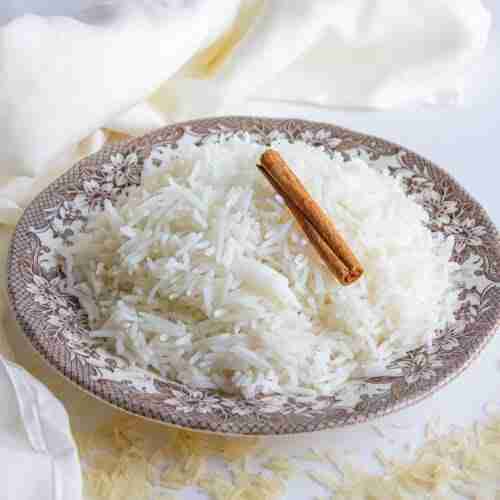
Unlocking the Secrets of Parboiled Rice: A Comprehensive Overview of Processing Techniques
Parboiled rice, often hailed for its unique texture and nutritional benefits, undergoes a fascinating processing journey that enhances its appeal. The process begins with soaking the rice grains in water, allowing them to absorb moisture and swell. Following this, the soaked rice is subjected to steaming, which drives nutrients from the bran into the endosperm, resulting in a more fortified product. The final phase involves drying the rice to stabilize its moisture content, ensuring longer shelf life and improving cooking properties.
One of the key advantages of parboiling is its ability to reduce cooking time, making it an efficient option for both home cooks and food service operations. Here are several noteworthy benefits of this technique:
- Improved Nutritional Value: Steaming enhances the rice’s vitamin content.
- Reduced Cooking Time: Parboiled rice cooks quicker than non-parboiled varieties.
- Enhanced Texture: The grains become firmer and less sticky when cooked.
- Longer Shelf Life: Lower moisture levels help prevent spoilage.
To further illustrate the effectiveness of parboiled rice processing, consider the following comparison of cooking times and nutrient retention between parboiled and regular rice:
| Rice Type | Cooking Time (minutes) | Vitamin B Retention (%) |
|---|---|---|
| Regular Rice | 20 | 50 |
| Parboiled Rice | 15 | 90 |
Maximizing Yield: Best Practices for Parboiled Rice Efficiency
To enhance parboiled rice production, understanding the intricacies of each processing stage is paramount. Implementing a thorough soaking process is vital, allowing rice grains to absorb adequate moisture and soften, which not only aids in the steaming phase but also helps in preventing breakage during milling. It’s essential to monitor water temperature and soaking duration to optimize absorption. Alongside this, utilizing efficient steaming techniques can significantly improve the nutritional qualities and texture of the rice. Ensuring that the steam penetrates thoroughly will enhance the gelatinization of the starch, leading to better cooking qualities and yield.
Another key practice in maximizing yield lies in investing in modern milling equipment. Upgrading to high-efficiency machines can streamline the de-husking and polishing processes, reducing grain loss. Regular maintenance of milling machinery is crucial, as even minor malfunctions can lead to substantial yield losses. In addition, establishing a quality assurance system throughout the processing stages can help identify issues early on, ensuring that only the best quality parboiled rice reaches the market. By adhering to these practices, producers can significantly enhance both efficiency and profitability in their operations.
Quality Control in Parboiling: Essential Steps to Ensure Excellence
Maintaining excellence in parboiling necessitates a meticulous approach to quality control at every stage of the process. Begin by establishing standard operating procedures (SOPs) that outline the critical parameters for each phase. For example, during the soaking process, monitor temperature and duration closely to achieve uniform moisture absorption. The steam application stage also requires careful oversight to ensure that each batch receives consistent and adequate heat. Staff should be trained to understand these parameters and the impact that deviations can have on the final product. Key checkpoints throughout the process can be instrumental in identifying potential issues early on.
After the parboiling process, it is imperative to perform rigorous quality assessments before packaging. Utilize sensory evaluation techniques to assess the texture, color, and aroma of the rice, ensuring that it meets market expectations. Additionally, incorporate quantitative tests such as moisture content analysis and DM (Defect Management) profiling. This can help in determining the percentage of broken grains, which is a crucial factor in quality grading. Below is a simple table that outlines the key attributes to evaluate during this stage:
| Attribute | Target Value | Acceptance Criteria |
|---|---|---|
| Moisture Content | 13-14% | ≤ 14% |
| Grain Texture | Firm and Separate | No sticky or clumped grains |
| Color | Golden Yellow | Uniform coloration throughout |
Sustainable Practices in Parboiled Rice Processing: Balancing Efficiency and Environmental Responsibility
As the demand for parboiled rice continues to rise, there is an increasing need to focus on processing methods that not only enhance productivity but also safeguard the environment. Innovative technologies and methodologies are paving the way toward integrating sustainable practices in parboiling. By optimizing energy usage and reducing water waste, mills can achieve higher efficiency without compromising ecological integrity. The introduction of renewable energy sources, such as solar and biomass, plays a critical role in minimizing carbon footprints while maintaining production throughput.
Additionally, engaging farmers in sustainable agricultural practices is crucial for a balanced approach. Implementing water-efficient irrigation techniques and promoting organic farming can lead to healthier rice crops while enhancing biodiversity. Some key initiatives in the realm of sustainable practices include:
- Waste Management: Utilizing by-products like husks for energy generation.
- Resource Optimization: Advanced parboiling systems that substantially reduce water and energy consumption.
- Quality Improvement: Enhancing the nutritional value of rice and reducing post-harvest losses.
A focused look at the industry reveals the potential of adopting these sustainable approaches through a comprehensive framework, ensuring that efficiency aligns with environmental responsibility. An ongoing commitment to innovation and sustainability can thus create a resilient supply chain that benefits both producers and consumers alike.
In Conclusion
As we draw the curtain on our exploration of parboiled rice processing, it’s clear that this age-old technique holds significant potential for modern efficiency in both production and culinary realms. By embracing the science behind parboiling, we can unlock a treasure trove of benefits—from enhanced nutrient retention and reduced cooking times to improved shelf life and taste. As the global demand for high-quality rice continues to rise, understanding and refining these methods becomes increasingly crucial.
Whether you’re a producer aiming to optimize your processes, a chef seeking to elevate your dishes, or a consumer wanting to make informed choices, the insights gleaned here can serve as stepping stones toward greater sustainability and satisfaction in our food systems. Let us move forward, motivated by the knowledge that innovation in tradition can lead to a brighter, more efficient future for rice processing. In every grain lies the promise of progress; it’s time we harness that potential to reshape the way we enjoy and value this staple food.




