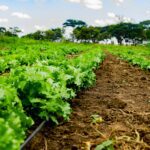
In the heart of verdant rice paddies,where golden grains sway gently under the sun,a revolutionary journey begins—not just for the crop but for the communities that depend on it. ”Transforming Harvests: The Journey of a Rice processing Plant” invites you to explore the intricate metamorphosis that occurs when fresh harvests meet technological innovation. From field to fork, the processing plant serves as a vital bridge, turning raw, unrefined grains into the polished staples that grace our tables. This article delves into the multifaceted operations of rice processing, highlighting the blend of tradition and modernity, the challenges faced by farmers and processors alike, and the impact on food security and economic sustainability. Join us as we uncover the transformative story behind a humble grain that feeds millions and drives cultural legacies across generations.
Understanding the Role of Technology in Modern Rice Processing
In today’s rapidly evolving agricultural landscape, technology serves as a catalyst for transforming rice processing efficiency and quality. Automated systems now streamline operations, reducing manual labor and enhancing productivity. Cutting-edge machinery automates tasks such as hulling, milling, and polishing, which ensures that every grain is processed with precision. Furthermore, innovations like sensor technology and data analytics allow processors to monitor conditions in real-time, delivering insights that lead to improved decision-making and reduced waste.These advancements not only enhance the quality of the final product but also contribute to a more enduring process overall.
Equipped with integrated software, modern rice processing plants can now manage inventory, track production rates, and ensure compliance with safety standards through seamless connectivity. The introduction of biotechnology also plays a crucial role in enhancing the resilience of rice crops, leading to better yields over time. This high-tech approach extends to quality control, where optical sorting machines identify and eliminate defective grains to maintain superior quality. By leveraging these technologies,rice processing facilities can not only meet the growing global demand for rice but also do so in a manner that is efficient and environmentally kind.
| Technology Type | Function |
|---|---|
| Automated Systems | Streamline tasks like hulling and polishing |
| Sensor Technology | Monitor processing conditions in real-time |
| Integrated Software | Manage inventory and production rates |
| Biotechnology | enhance crop resilience and yield |
| Optical Sorting | Identify and remove defective grains |

Enhancing Quality Control: Best Practices for Optimal Product output
Effective quality control is the backbone of any accomplished rice processing plant, ensuring that each grain meets the highest standards before it reaches consumers. By implementing a series of structured practices, facilities can maintain consistency and reliability in their product output. Key initiatives to consider include:
- Regular Equipment Maintenance: Schedule routine inspections and servicing of processing machines to prevent mechanical failures.
- Standard Operating Procedures (SOPs): Establish clear SOPs for each stage of rice processing, from cleaning to packaging.
- Training and Advancement: Invest in continuous training for staff to maintain a skilled workforce familiar with quality control measures.
- Batch Testing: Implement testing protocols for samples from each batch to ensure uniformity and quality.
Incorporating a robust feedback loop is essential for constant improvement and adaptation within the processing system. Gathering data on quality metrics not only assists in identifying potential issues but also fosters a culture of accountability among team members. Creating teams focused on quality assurance allows for targeted problem-solving and innovative approaches to challenges. To illustrate the impact of these practices, the following table highlights key quality indicators and their target benchmarks:
| Quality Indicator | Target Benchmark |
|---|---|
| Moisture Content | 12% – 14% |
| Broken Grain Percentage | Below 5% |
| Foreign Matter Content | Less than 1% |
| Pack Integrity | 100% Quality Pass Rate |
Sustainability in Action: Eco-Friendly Approaches to Rice Production
In the heart of our rice processing journey lies a commitment to eco-friendly practices that redefine how we cultivate and prepare this staple. By integrating crop rotation and cover cropping, we not only enhance soil health but also significantly reduce the need for synthetic fertilizers. These methods promote biodiversity, ensuring that beneficial insects thrive while natural pests are kept in check. Additionally, utilizing drip irrigation and rainwater harvesting helps manage water resources efficiently, minimizing waste and lowering the carbon footprint typically associated with traditional rice farming.
Furthermore, our rice processing plant embraces innovative energy solutions to power operations sustainably. By incorporating solar panels and exploring biomass energy from agricultural byproducts, we aim to reduce reliance on fossil fuels. Our waste management strategy is equally noteworthy, as we convert waste materials into organic fertilizers and bioenergy. This closed-loop system not only lessens environmental impact but also propels us towards a zero-waste objective, demonstrating that efficiency and sustainability can indeed go hand in hand. The table below highlights our eco-friendly initiatives:
| Initiative | Description |
|---|---|
| Crop Rotation | Diverse planting to enhance soil fertility. |
| Drip Irrigation | Efficient water delivery to plants. |
| Solar Power | Utilizing renewable energy to decrease carbon emissions. |
| Waste Recycling | Converting waste into organic fertilizers. |
Empowering Local economies: The Socioeconomic Impact of Rice Processing Plants
Rice processing plants act as a crucial catalyst for revitalizing local economies, creating a ripple effect that extends far beyond their immediate operations. By employing local labor,these facilities not only provide jobs but also uplift entire communities by promoting economic stability. The employment opportunities can range from skilled positions to unskilled labor, allowing a broad spectrum of individuals to participate in and benefit from the local economy. Additionally, as these plants thrive, they foster deep-rooted connections with local farmers, offering them fairer prices for their grain, thereby enhancing their livelihoods.
The benefits of rice processing extend to multiple facets of socioeconomic development, manifesting in various ways:
- Community Development: Increased income leads to improved infrastructure, educational opportunities, and healthcare access.
- Food Security: Processed rice, being a staple food, strengthens food availability, minimizing hunger in the surrounding areas.
- Market Diversity: Shifting from raw to processed products encourages diversification in local agricultural practices.
To understand the broader impact, consider the following table summarizing key socioeconomic gains from rice processing plants:
| Impact Area | Details |
|---|---|
| Employment generation | Creates jobs for over 200 local workers per plant. |
| Income Boost | Increases average household income by 25% in nearby areas. |
| Support to Farmers | Enhances the income of local farmers by 15% through fair trade practices. |
The Way Forward
As we conclude our exploration of the journey of a rice processing plant, we reflect on the intricate dance of technology and tradition that defines the modern agricultural landscape. From the golden fields swaying under the sun to the bustling machinery that converts raw grains into nourishment, the transformation of harvests is a testament to human ingenuity and resilience.
This journey is not just about rice; it symbolizes the broader narrative of agricultural evolution,sustainability,and the relentless pursuit of efficiency. As we stand at the crossroads of innovation and environmental stewardship, the rice processing plant serves as a beacon of possibility—a reminder that with each grain processed, we cultivate not only food but also the promise of a better future.
As we move forward, let us continue to embrace the lessons learned from these transformative practices, cherishing the connection between our hands, our land, and the food that sustains us. The story of the rice processing plant is ongoing, and its chapters are yet to be written. What narratives will emerge as we weave together tradition and technology in our quest for a harmonious agricultural future? Only time will tell, but the journey, as always, is worth savoring.