
In the heart of agriculture lies a staple that has nourished civilizations for millennia—rice. As one of the world’s most consumed grains, it plays a pivotal role in diets across continents, from the bustling streets of Asia to the rustic tables of Latin America. But before the aromatic grains fill bowls and inspire culinary masterpieces, they embark on a journey through the meticulous world of rice processing. In “Transforming Grains: Inside the Rice Processing Plant,” we will venture beyond the fields and into the intricate operations of a processing facility. Here, we will uncover the technological advancements, sustainability practices, and traditional methods that converge to turn harvested paddy into the polished grains we rely on. Join us as we explore the art and science behind one of humanity’s most beloved foods.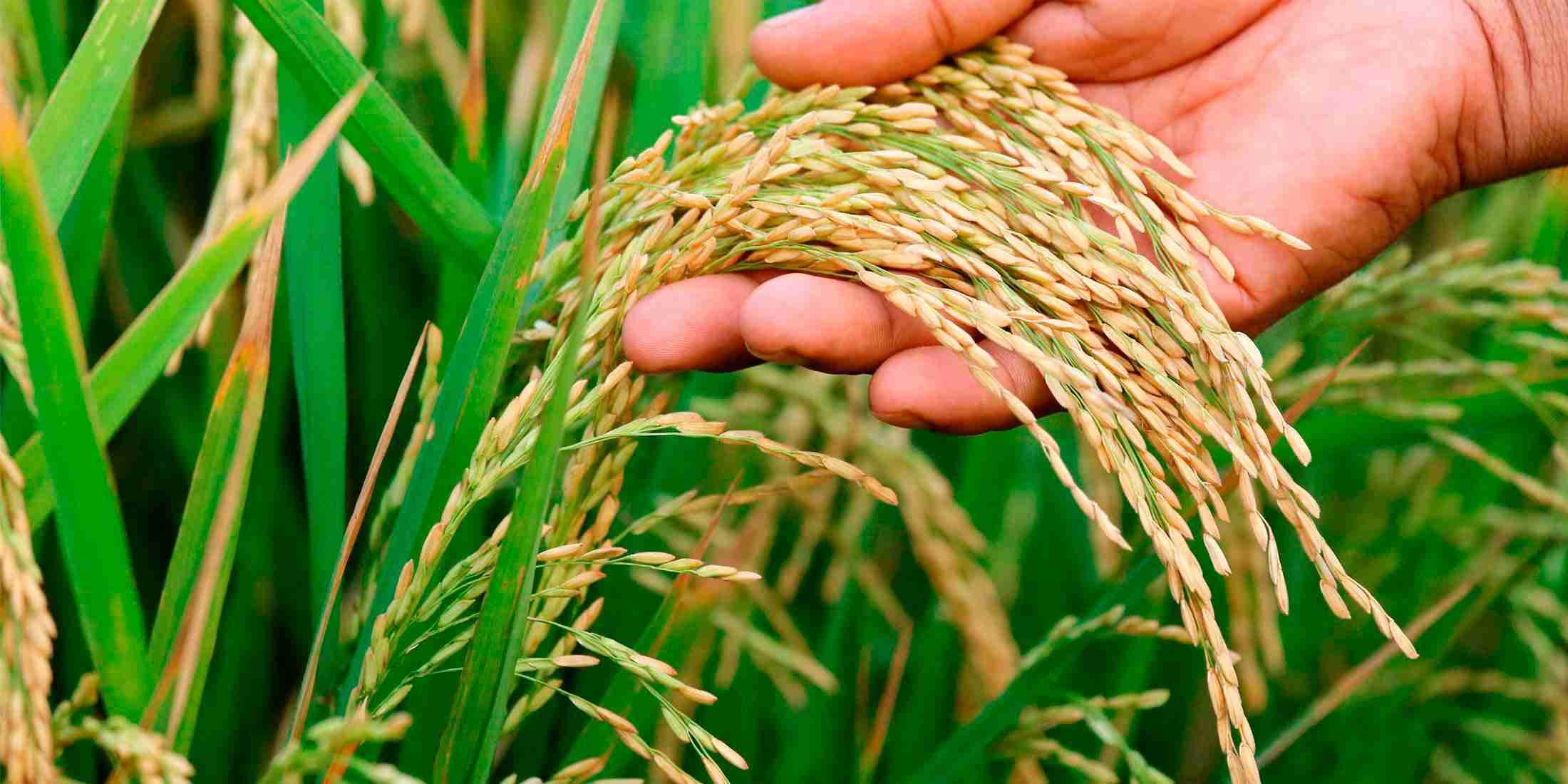
Understanding the Journey from Paddy to Polished Rice
The transformation of paddy into polished rice is a meticulous process that requires careful attention to detail at every stage. Initially, harvested paddy undergoes cleaning to remove impurities such as dirt, stones, and other foreign materials. This is crucial as any contaminants can affect the quality of the final product. After cleaning, the grains are soaked in water, allowing them to absorb moisture, which facilitates the next step—parboiling. This unique method involves steaming the rice while still in its husk, resulting in a firmer grain that retains more nutrients and enhances its flavor during cooking.
Following parboiling, the grains enter the milling stage, where husks and bran layers are removed to produce the desired white rice. This stage can be broken down further into several key processes:
- Husk Removal: The outer husk is separated, unveiling the brown rice beneath.
- Bran Removal: The brown rice is then milled again to remove the bran layers, resulting in polished white rice.
- Grading: The final product is sorted based on size and quality, ensuring consistency and satisfaction for consumers.
To illustrate the journey of rice through the processing stages, here’s a simple comparison of key characteristics:
| Stage | Key Characteristics |
|---|---|
| Harvesting | Grains are gathered; moisture levels are checked. |
| Cleaning | Removal of unwanted materials for quality assurance. |
| Parboiling | Enhances texture and nutritional value through steaming. |
| Milling | Separation of husks and bran to produce white rice. |
the polished rice is packaged and prepared for distribution, ready to reach kitchens everywhere. The entire process—from harvesting to polishing—is not just about transforming grains, but also about preserving their inherent qualities while ensuring they meet the needs of consumers across the globe.

Innovative Technologies Revolutionizing Rice Processing
The landscape of rice processing is undergoing a transformation thanks to a variety of cutting-edge technologies that enhance efficiency and sustainability. Smart sensors and IoT applications are rolling out across processing plants, allowing for real-time monitoring of grain quality and moisture content. This technology enables precise adjustments during milling, significantly reducing waste and optimizing output. Additionally, advanced machine learning algorithms are used to analyze processing data, helping operators fine-tune their methods based on predictive analytics and historical performance.
Moreover, automation is becoming a cornerstone of modern rice processing. Robotics streamline labor-intensive tasks such as sorting, grading, and packaging, minimizing human error and increasing throughput. The introduction of biotechnology is also noteworthy; specific enzymes are now employed to enhance the nutritional profile of rice while maintaining taste and texture. A shift towards eco-friendly practices is evident with the use of water-efficient systems and sustainable energy sources, underscoring the industry’s commitment to responsible production.
Sustainable Practices in Rice Plant Operations
In contemporary rice processing facilities, sustainable practices have evolved into vital components that enhance productivity while minimizing ecological footprints. Many plants are now investing in renewable energy sources—such as solar panels and biomass systems—that power operations and reduce dependency on fossil fuels. Additionally, the implementation of water conservation techniques, including rainwater harvesting and drip irrigation, is essential in regions where water scarcity is prevalent. This integration not only preserves precious water resources but also helps in maintaining the surrounding ecosystems.
Further bolstering sustainability efforts, rice plants are increasingly turning to waste recycling programs and eco-friendly packaging solutions. By converting rice husks and straw into biochar or mulch, plants can repurpose what was once deemed waste into valuable resources that enrich soil health. The adoption of biodegradable packaging materials not only aligns with consumer demand for environmentally conscious products but also reduces landfill waste significantly. As industry standards evolve, these practices not only contribute to a more sustainable future but also serve as benchmarks for corporate responsibility across the agricultural sector.
Enhancing Quality Control for Superior Grain Products
Quality control in a rice processing plant is crucial to ensure that every grain meets the highest standards of excellence. By implementing advanced technologies and rigorous testing protocols, facilities can significantly enhance the overall quality of their products. Key measures include:
- Visual Inspection: Trained personnel examine grains for defects and foreign materials, ensuring only the finest grains proceed to processing.
- Moisture Testing: Specialized equipment measures moisture levels, as ideal hydration is essential for optimal cooking results.
- Grain Sampling: Regular sampling of batches allows for consistent monitoring of quality over time, promoting continuous improvement.
- Pest Control Measures: Integrated Pest Management (IPM) strategies reduce contamination risks and uphold product integrity.
Moreover, utilizing modern machinery equipped with sensors enables real-time data collection, facilitating immediate adjustments in processing parameters. This proactive approach leads to increased efficiency and reduces waste. To further support these efforts, a centralized quality tracking system can be established, allowing for:
| Quality Metric | Target Standard | Current Performance |
|---|---|---|
| Grain Purity | ≥ 99% | 99.5% |
| Moisture Content | 12-14% | 13% |
| Pest Control Effectiveness | ≤ 1% | 0.5% |
This systematic approach not only heightens product fidelity but also builds consumer trust, laying the groundwork for a sustainable future in grain processing.
Closing Remarks
As we draw the curtains on our exploration of the rice processing plant, we embark on a journey that transcends mere grains. From the golden fields where they grow to the intricate machinery that transforms them, each step of the rice processing story reveals not just the transformation of a staple food, but the dedication and innovation of those who work tirelessly behind the scenes.
In peeling back the layers, we’ve uncovered a world where tradition meets technology, and where every grain is imbued with the potential to nourish millions across the globe. The process is a testament to human ingenuity and the importance of sustainability in our food systems.
As we savor the final product on our plates, we’re reminded of the journey it undertook and the artistry involved in its transformation. So, the next time you enjoy a bowl of rice, take a moment to appreciate the intricate dance of nature and industry that brought it to your table. The story of rice is not merely one of processing; it’s a rich narrative of culture, resilience, and connection—echoing in every bite.




