In the heart of every bowl of rice lies a journey that begins in lush paddies and culminates in the nourishing meals that grace our tables. The transformation of raw grains into culinary staples is a delicate dance involving time-honored traditions and cutting-edge technology. As global demand for rice continues to soar, the importance of efficient, reliable processing equipment cannot be overstated. This article delves into the world of rice processing, illuminating the intricate machinery and techniques that turn harvested grains into the versatile staple we know and love. With an emphasis on innovation and sustainability, we guide you through the essential equipment that shapes the grain industry, offering insights into how these advancements not only enhance productivity but also ensure quality and flavor in every grain. Join us as we explore the fascinating process of transforming rice, revealing the vital role of processing equipment in this age-old commodity’s journey from field to fork.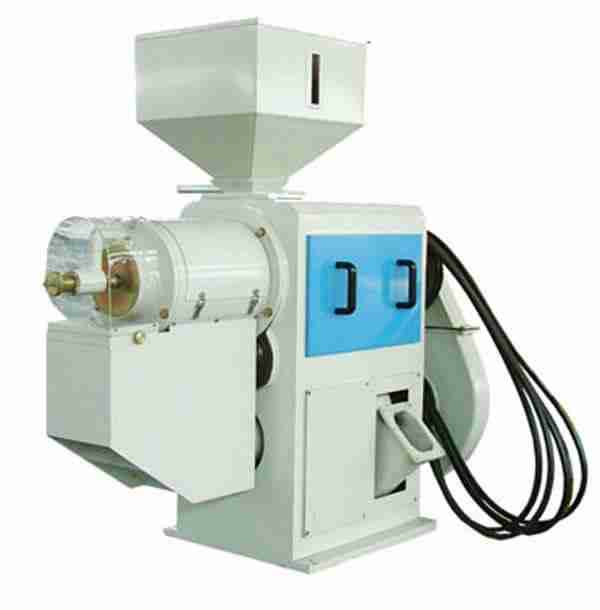
Exploring the Journey from Field to Table: The Role of Rice Processing Equipment
As the sun rises over the lush rice paddies, a transformation begins that takes the grain from field to table. The journey relies heavily on sophisticated rice processing equipment that plays a crucial role in enhancing the quality, safety, and value of rice. Pre-cleaning machines remove impurities like dust and small stones, ensuring that the grains are pristine before they undergo further processing. This essential equipment is followed by huskers, which gently separate the rice grains from their outer husks, while maintaining the integrity of the kernel. This delicate process is crucial, as it lays the foundation for the subsequent steps that ensure a polished and consumer-ready product.
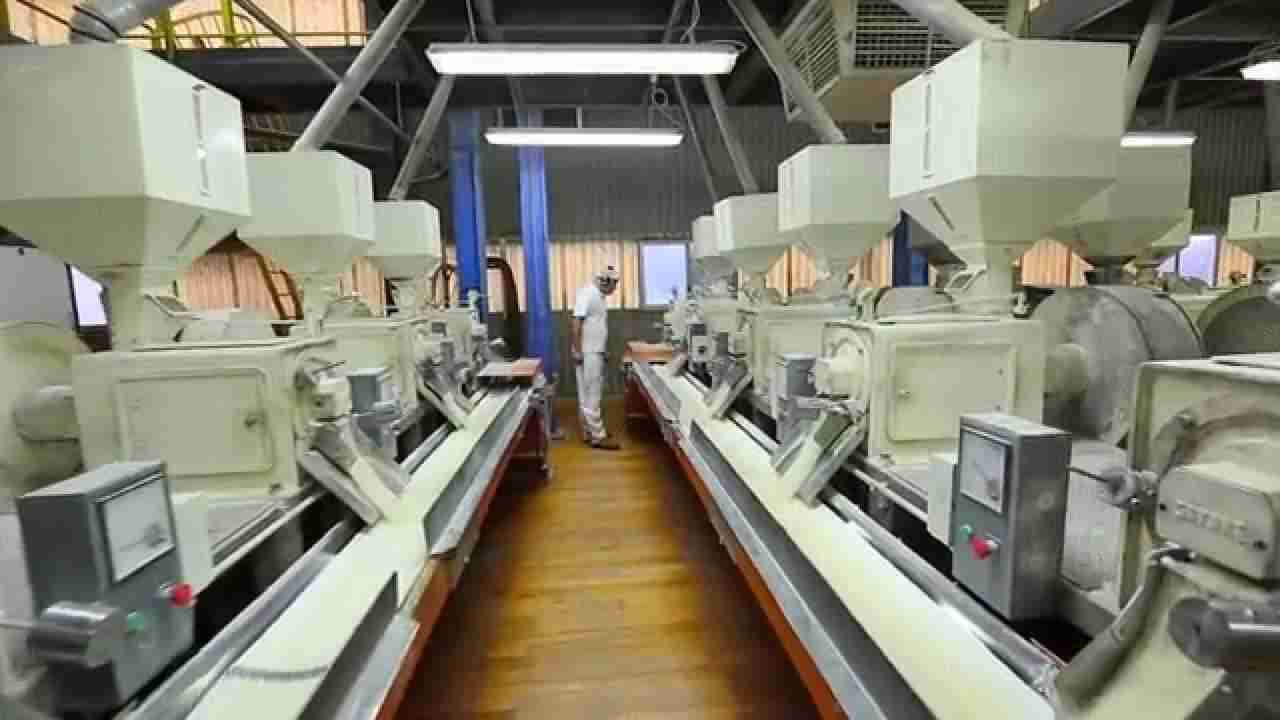
After husking, the rice moves on to milling machines, which refine the grains to perfection. These advanced devices utilize multiple stages of processing to remove bran layers and polish the grains. Each step is meticulously designed to stem yield losses while maintaining vital nutrients. The final stage involves packaging systems that prepare the rice for distribution, often incorporating automated technology to enhance efficiency and reduce human error. This seamless integration of machinery and technology not only streamlines operations, but also highlights the beauty of innovation in agricultural processing.
Essential Machinery for Efficient Rice Milling: Key Technologies and Innovations
The efficiency of rice milling is heavily reliant on the incorporation of modern machinery and innovative technologies. At the heart of this process are several key components that enhance the quality and yield of the rice produced. Essential machinery includes dehusking machines, which effectively remove the husk without damaging the grain, and polishing machines, which streamline the process of enhancing grain appearance and removing impurities. Advanced color sorters utilize optical sensors to identify and eliminate discolored or defective grains, ensuring only the highest quality rice reaches the market.
Innovations in rice processing technologies have also led to the development of integrated milling systems that combine multiple processes into a single, efficient unit. These systems minimize labor costs and reduce energy consumption, making rice processing not just efficient but also sustainable. Additionally, advancements in automation and artificial intelligence are paving the way for smarter mills that can optimize operations in real-time. Embracing these technologies will not only boost productivity but also contribute to improved food quality and economic growth within rice-dependent communities.
| Machinery Type | Function | Benefits |
|---|---|---|
| Dehusking Machine | Removes husk from paddy rice | Prevents grain damage, improves yield |
| Polishing Machine | Enhances rice appearance | Increases market value |
| Color Sorter | Identifies and removes defective grains | Ensures quality and consistency |
| Integrated Milling System | Combines multiple milling processes | Improves efficiency and reduces costs |

Optimizing Quality and Yield: Best Practices in Rice Processing
To achieve the highest quality and yield in rice processing, adopting best practices throughout various stages is essential. Start by ensuring the right selection of raw materials. Use only high-quality paddy with optimal moisture content to minimize losses during processing. Once sourced, implement robust cleaning techniques to remove contaminants such as stones, dust, and other impurities. Investing in advanced cleaning equipment can significantly enhance the cleanliness of the grains, thereby improving the quality of the final product.
Furthermore, controlling the milling process is crucial. The use of modern milling machinery can help in achieving a uniformed and consistent grain size, which enhances cooking characteristics. Key practices include:
- Proper Equipment Calibration: Regularly calibrate machines to maintain the precision of milling operations.
- Monitoring Temperature and Humidity: Keep an eye on environmental conditions that might affect rice quality post-processing.
- Frequent Quality Checks: Conduct routine checks at different stages to monitor quality parameters such as grain purity and moisture levels.
Creating an efficient workflow amongst all these practices is essential to maximize yield. The following table summarizes some of the impacts of optimized rice processing:
| Practice | Impact on Quality | Impact on Yield |
|---|---|---|
| Effective Cleaning | Reduces impurities | Minimizes losses |
| Precision Milling | Improves texture | Increases consistent yields |
| Environmental Control | Maintains freshness | Enhances shelf life |
Sustainability in Rice Production: Eco-friendly Equipment Solutions and Strategies
As the global demand for rice continues to surge, embracing eco-friendly equipment solutions is paramount for sustainable production. This shift not only aligns with environmental goals but also boosts efficiency and reduces operational costs. Innovative technologies are emerging in the rice processing industry, enabling farmers and producers to implement practices that minimize waste and energy consumption. Some of these advancements include:
- Solar-Powered Dryers: These utilize renewable energy to dry paddy rice, significantly lowering carbon footprints.
- Water-Saving Irrigation Systems: Precision irrigation techniques help conserve water while maximizing yield.
- Biodegradable Packaging: Employing sustainable packaging solutions minimizes plastic waste associated with rice distribution.
The integration of eco-friendly equipment into rice production processes not only supports environmental sustainability but also enhances the overall quality of the product. Adopting smart agriculture technologies, such as drones and sensors, allows producers to monitor crop health and soil moisture efficiently. Statistical data show that these sustainable methods can lead to a reduction in resource use and optimize productivity. Consider the table below, illustrating key benefits of implementing eco-friendly strategies in rice production:
| Strategy | Benefit |
|---|---|
| Solar-Powered Equipment | Reduction in energy costs |
| Water Conservation Techniques | Improved yield in drought conditions |
| Waste Recycling Systems | Lower environmental impact |
Closing Remarks
As we conclude our exploration of rice processing equipment, it becomes clear that the journey from field to table is a fascinating tapestry woven with innovation and tradition. The transformation of grains not only satisfies our culinary desires but also supports agricultural sustainability and economic growth. Whether you’re a producer looking to enhance efficiency or an enthusiast curious about the mechanisms behind your favorite grain, understanding the equipment involved in rice processing can spark inspiration and drive progress.
Embracing the art and science of grain processing equips us with the knowledge to make informed choices and encourages a deeper appreciation for the food we consume. As technology continues to evolve, so too will the opportunities for refining these processes — setting the stage for a future where grains, like rice, may be transformed in ways we can only begin to imagine. We invite you to continue exploring this dynamic field, engaging with the innovations that bridge tradition and modernity, while fostering a sustainable food system for generations to come.